Micprec Motor
Featured Engineering Solutions
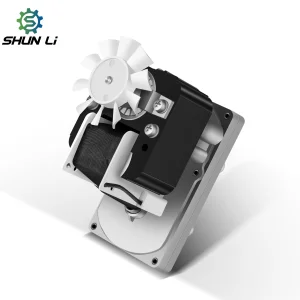
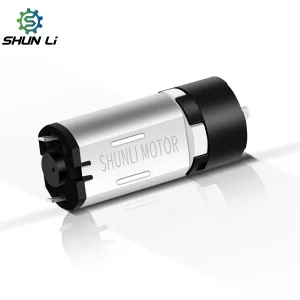
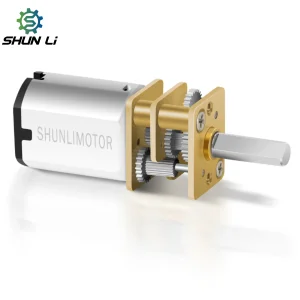
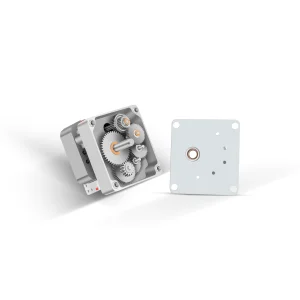
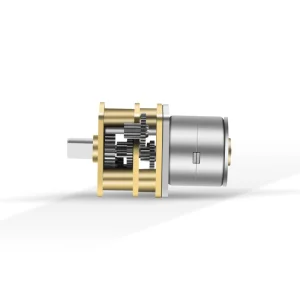
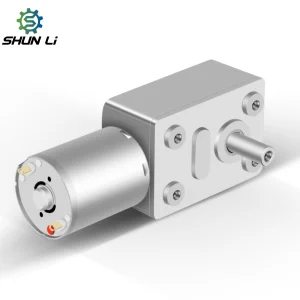
Explore our premium catalog of high-efficiency DC worm gear motors, AC shaded pole motors, and customizable drive solutions engineered for precision, durability, and reliability.
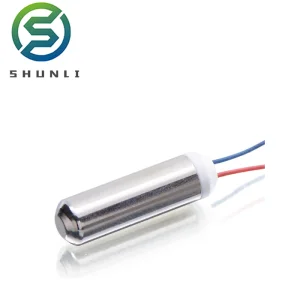
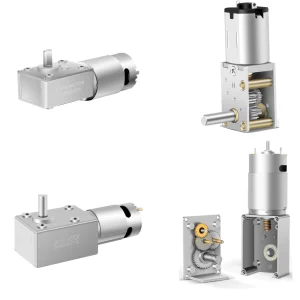
Smart Manufacturing for a Sustainable Future
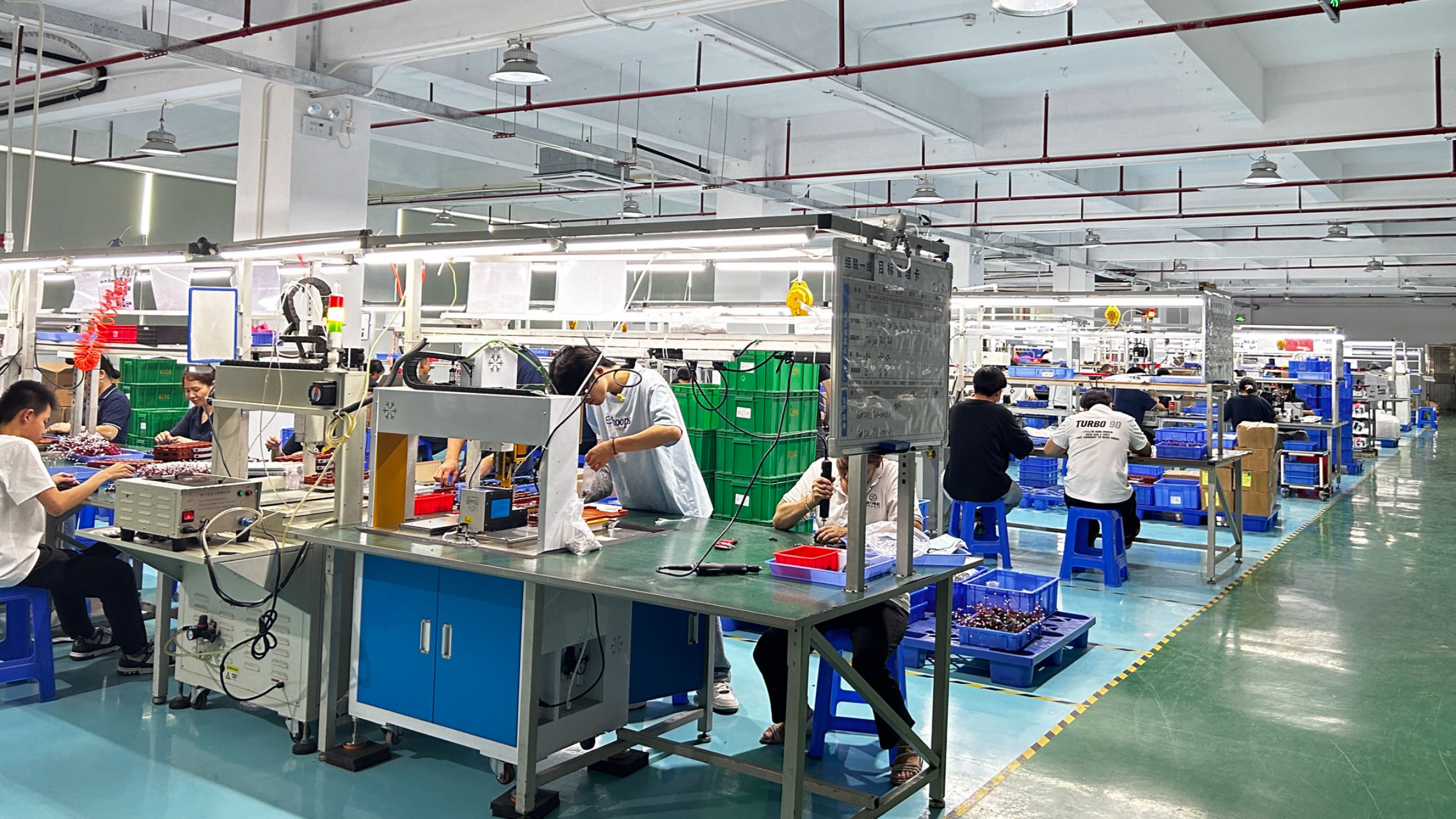
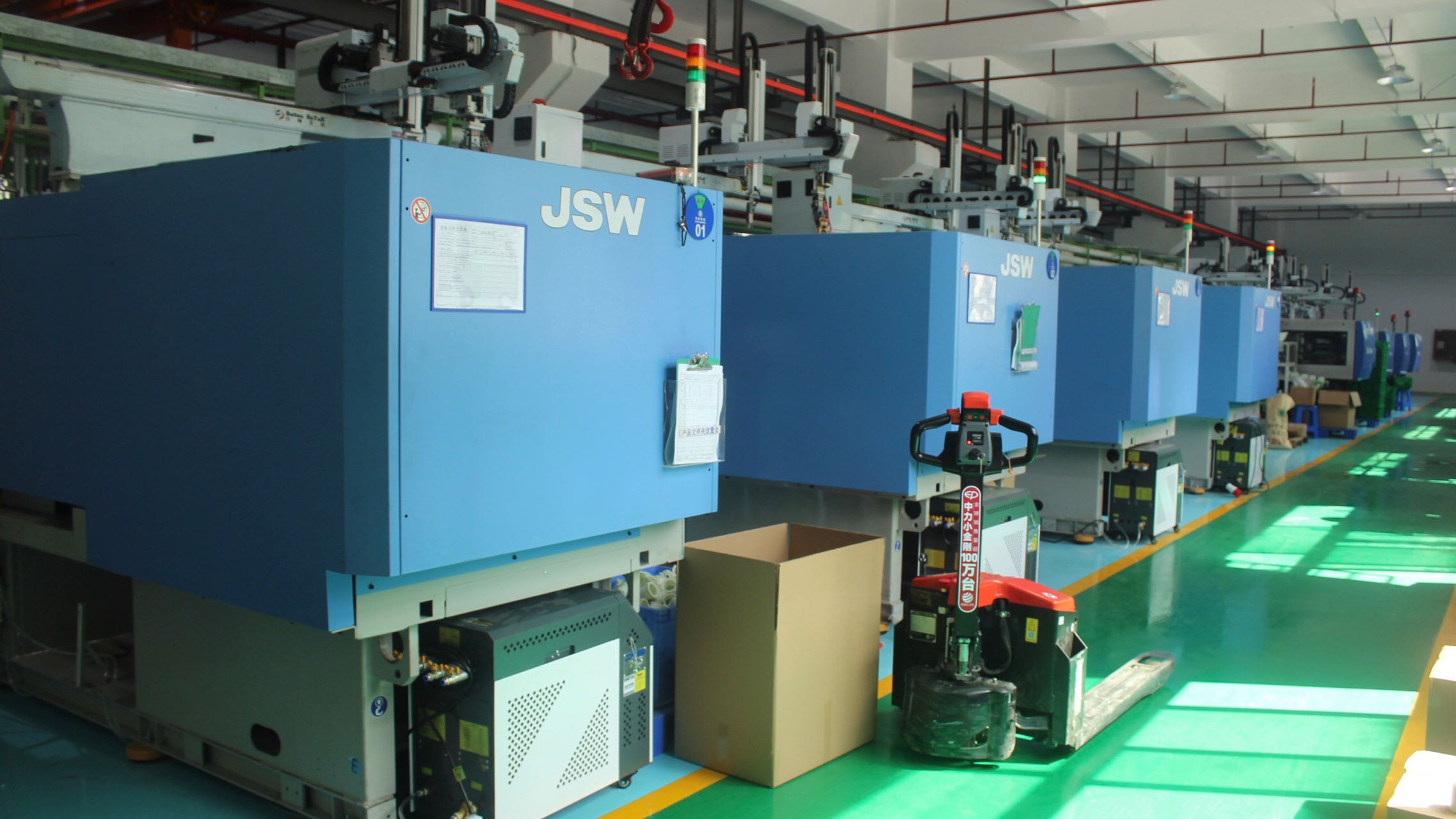
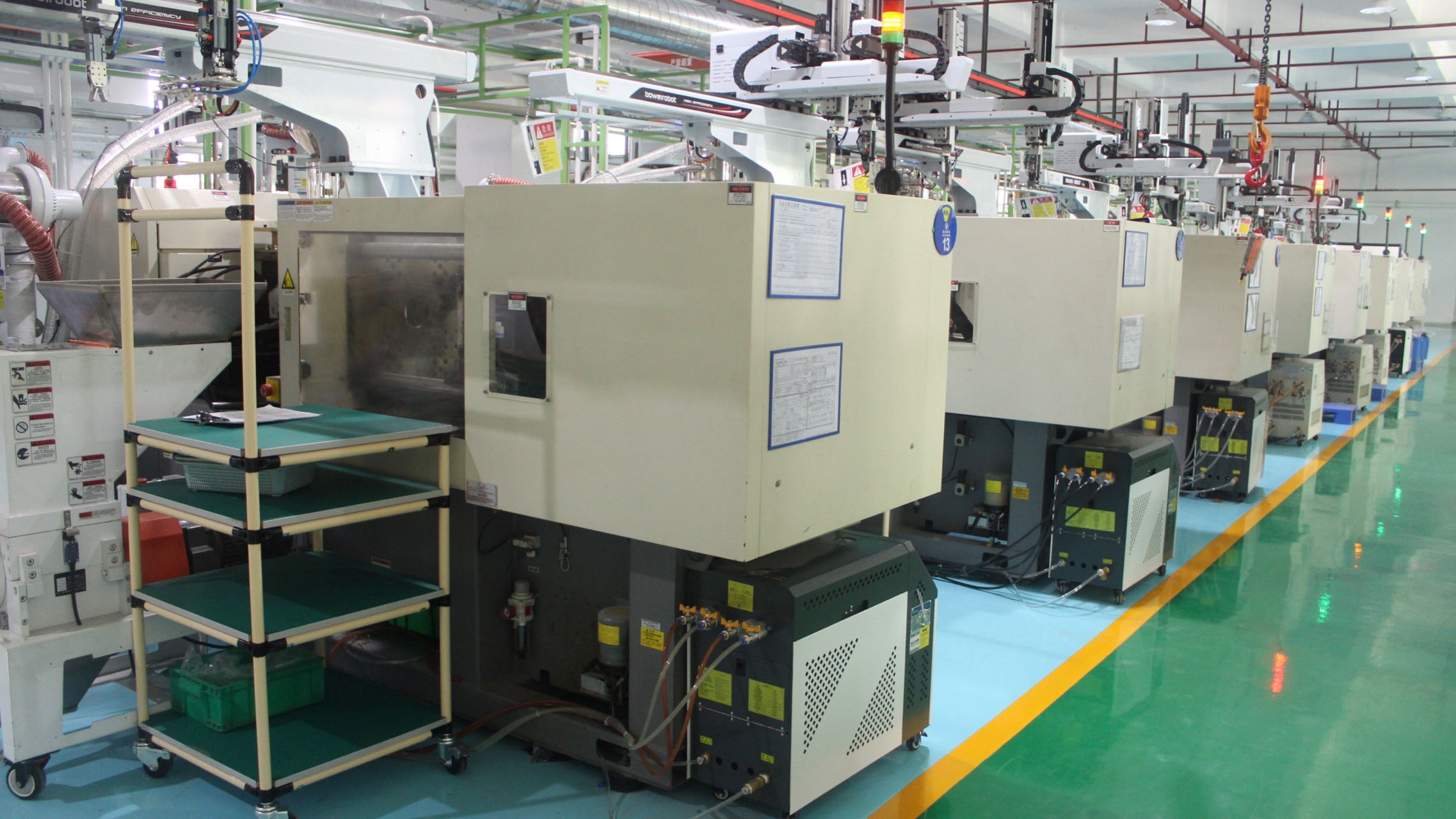
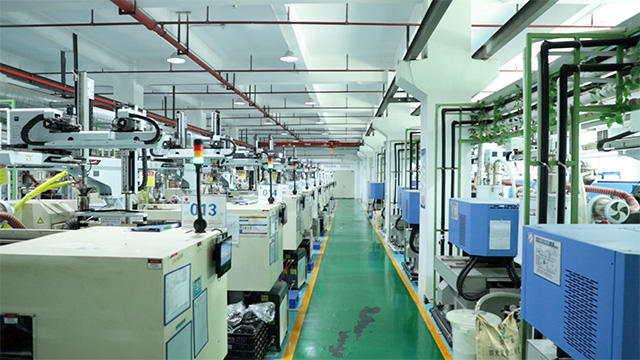
Welcome to the future of micro-drive manufacturing. Micprec Motor operates a state-of-the-art facility designed for efficiency, precision, and sustainability. As a leading China exporter of micro DC and brushless motors, we combine twenty years of industrial heritage with a forward-thinking approach to lean automated manufacturing.
Quality and compliance are embedded in our DNA. Our entire production ecology conforms to rigorous international standards, including ISO9001, CE, RoHS, and REACH. By investing heavily in automated assembly lines and eco-friendly manufacturing processes, we ensure absolute consistency across high-volume production runs while minimizing our carbon footprint.
When you choose Micprec Motor, you are not just choosing a supplier; you are choosing a responsible, transparent global supply chain partner committed to powering your products with high-efficiency, energy-saving motion control solutions.
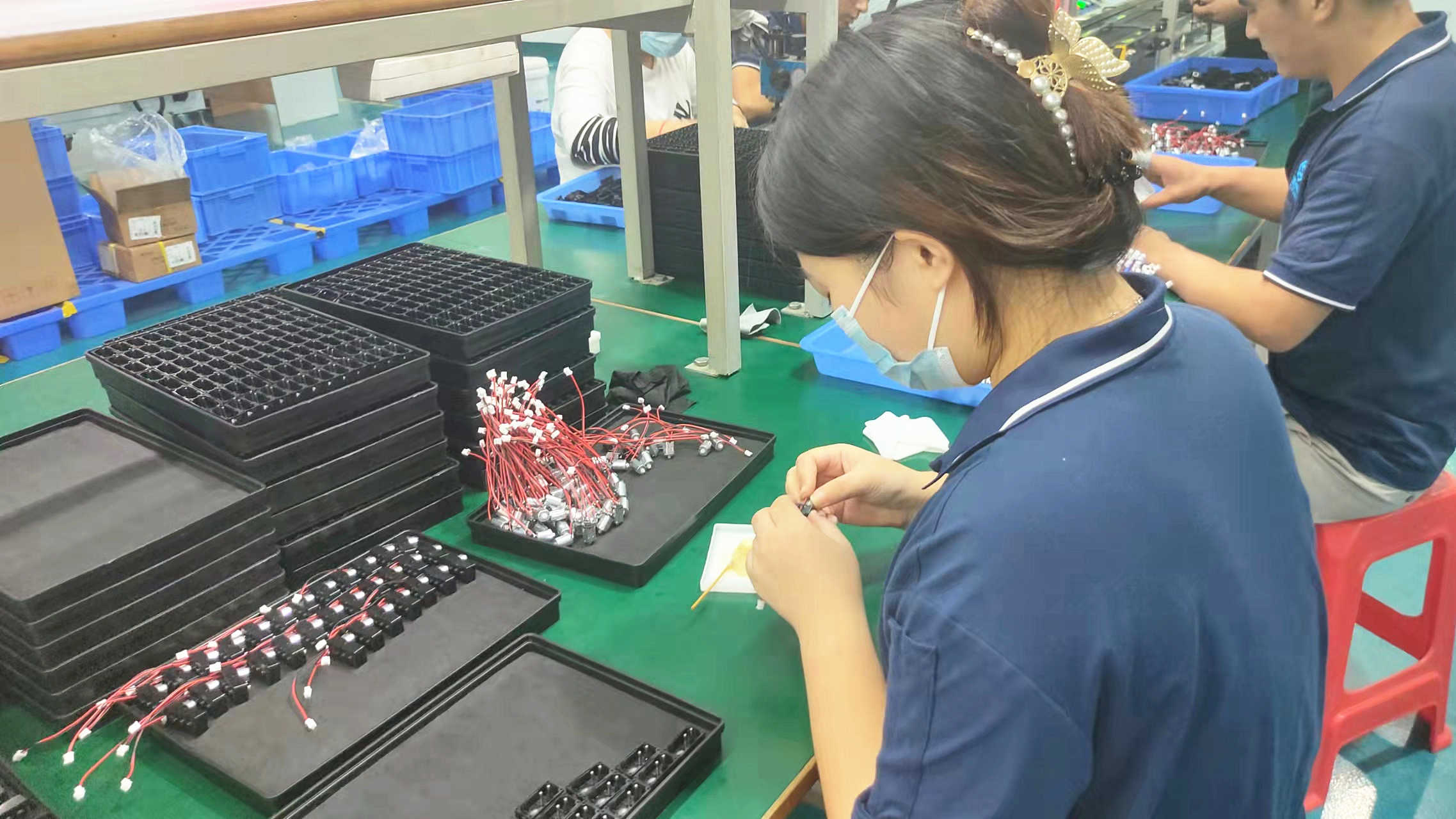
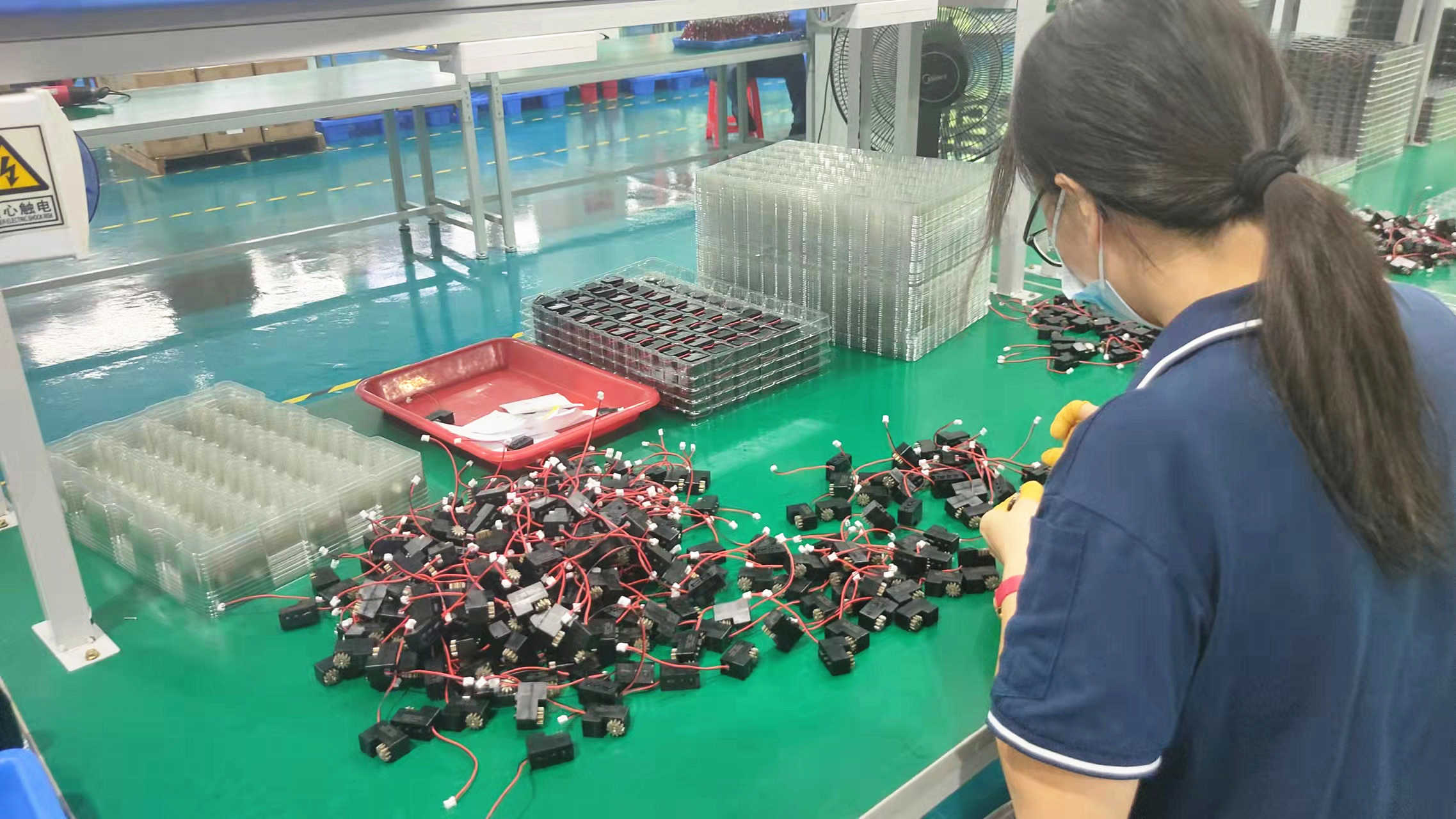
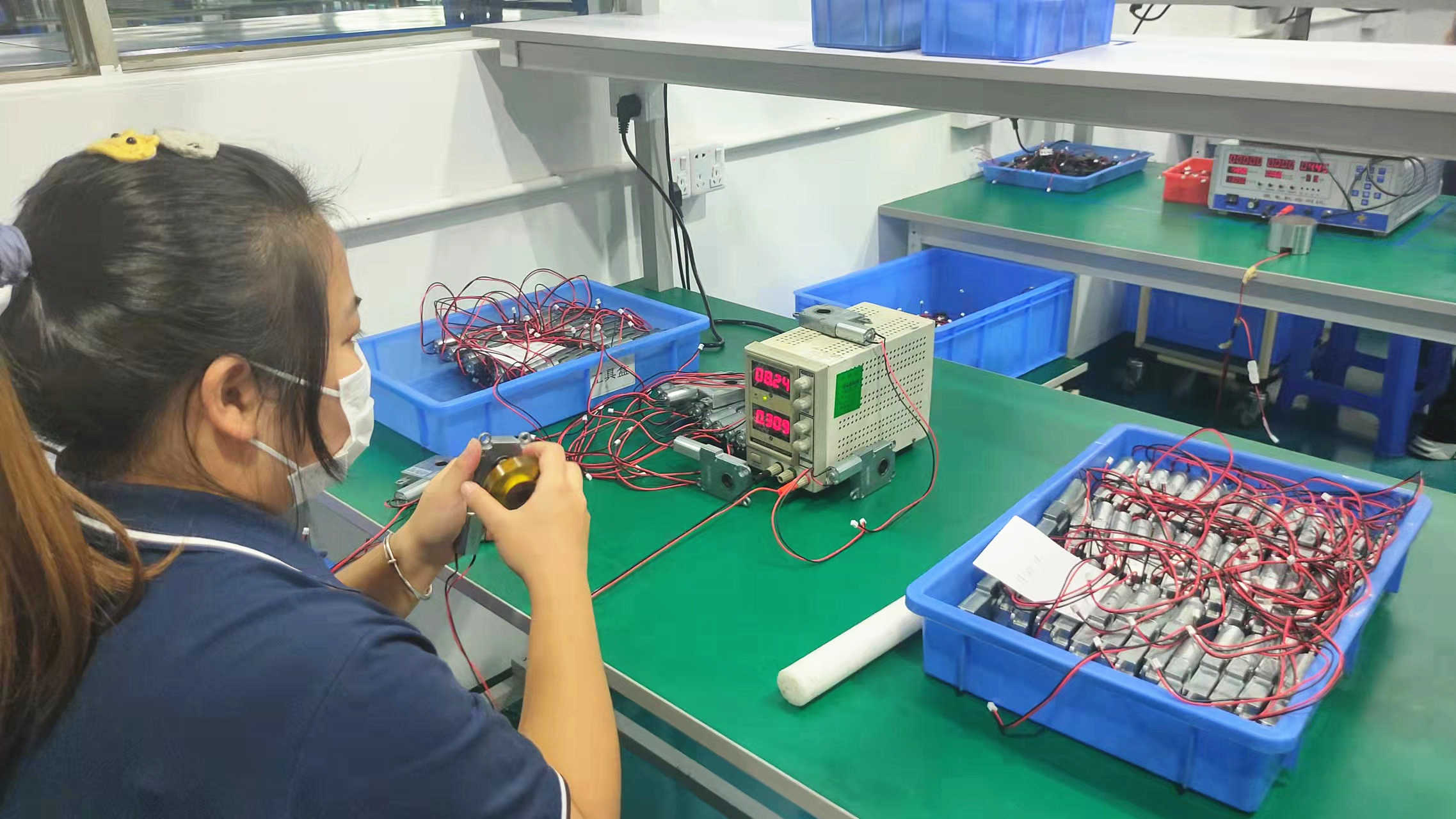
End-to-End Production Process
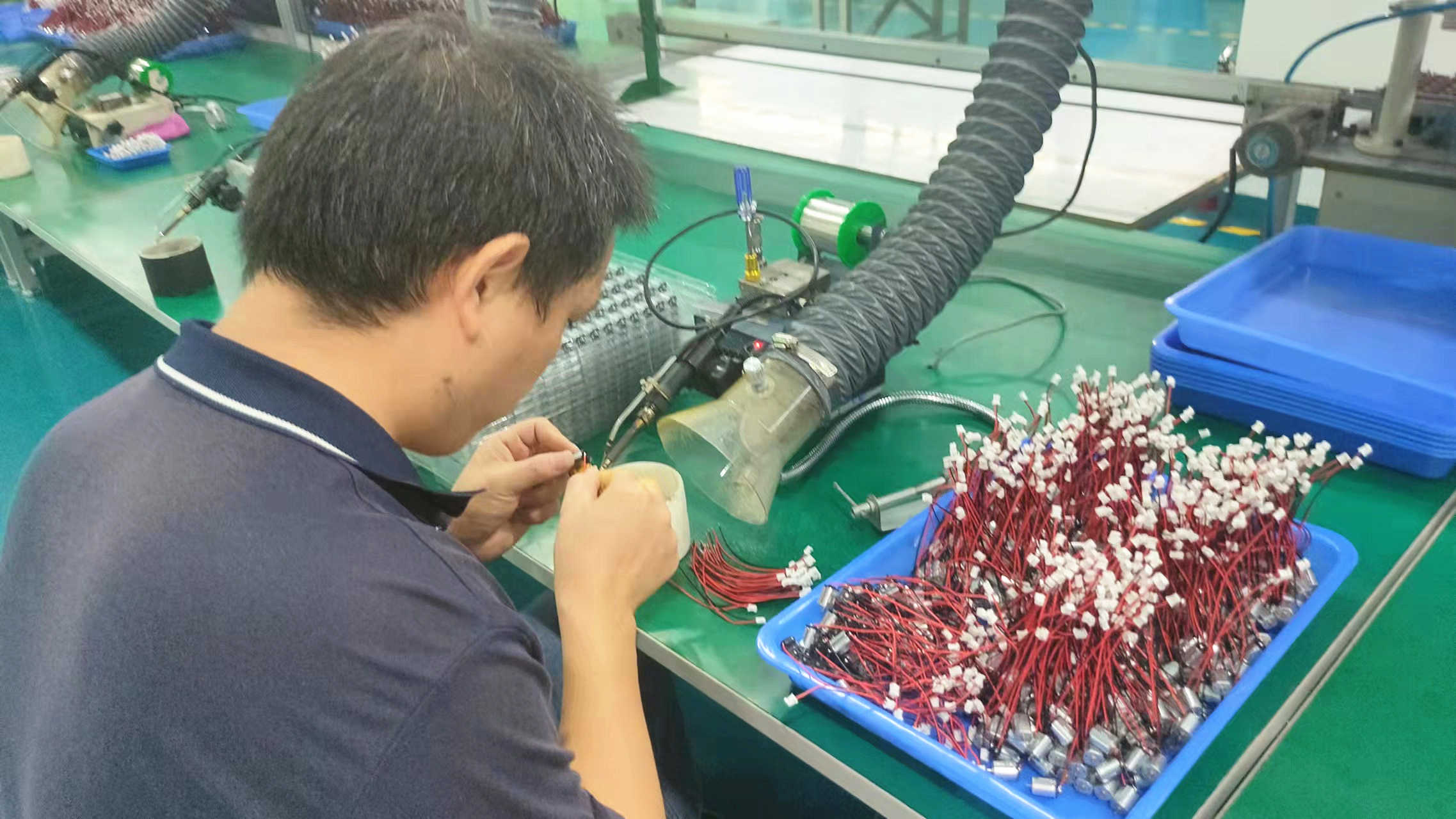
Our structured assembly ecosystem ensures quality checkpoints at every key node, from raw materials to finalized safety checks.

Decisive Factory & Supply Chain Strengths
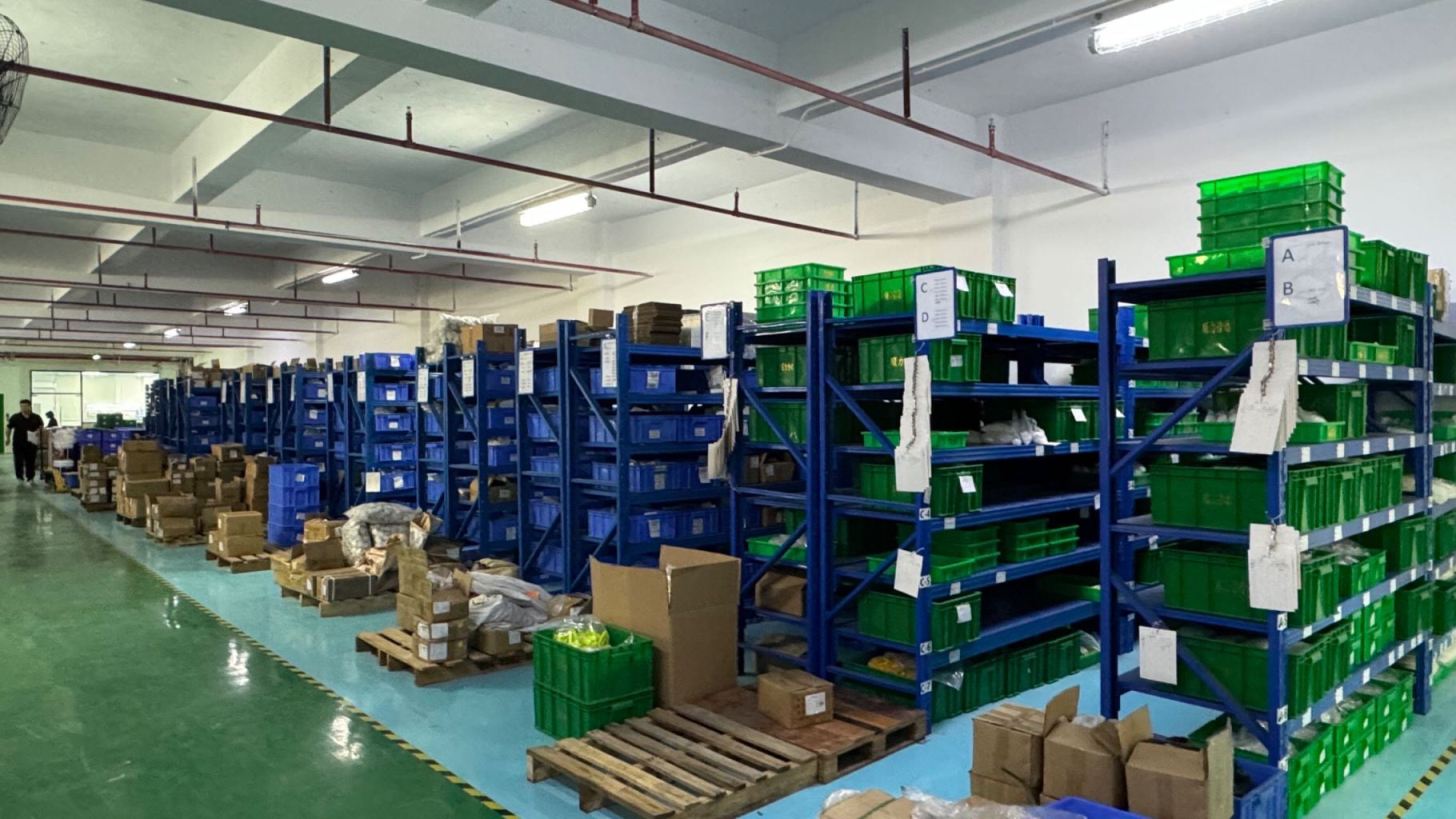
Our operations leverage China's elite manufacturing clusters to offer unprecedented responsiveness, supply stability, and value maximization.
Strategic Logistics & Cluster Integration
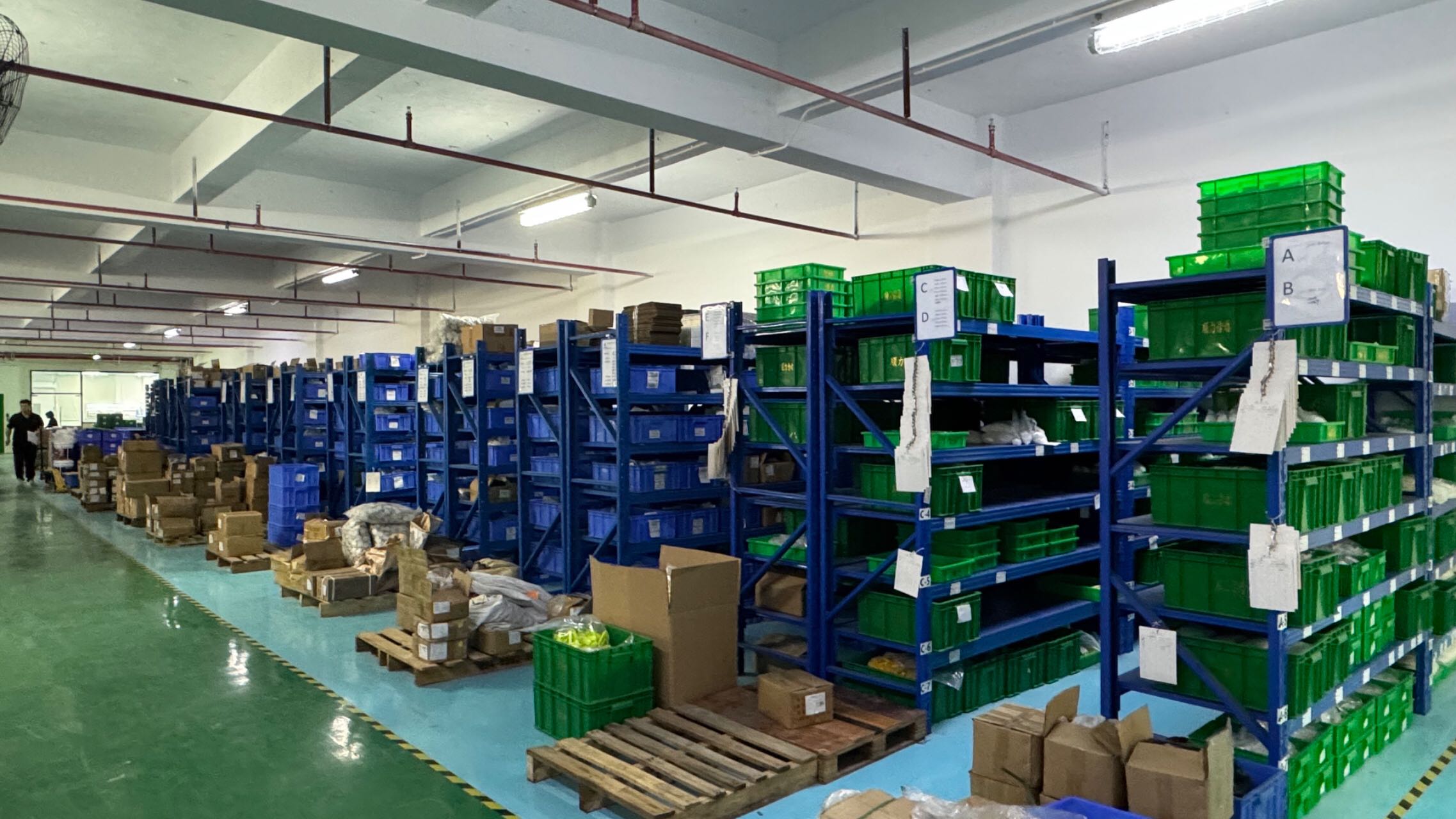
Operating within Shenzhen, China’s preeminent technological and micro-motor hardware cluster, we command a unique competitive edge. This cluster ecosystem gives us immediate access to raw steel, magnet formulations, copper windings, and high-performance engineering plastics. We source globally optimized components within a small radius, significantly cutting down transport lead times and mitigating supply chain shocks. Our long-term relations with leading shipping networks secure optimized logistics for overseas enterprises.
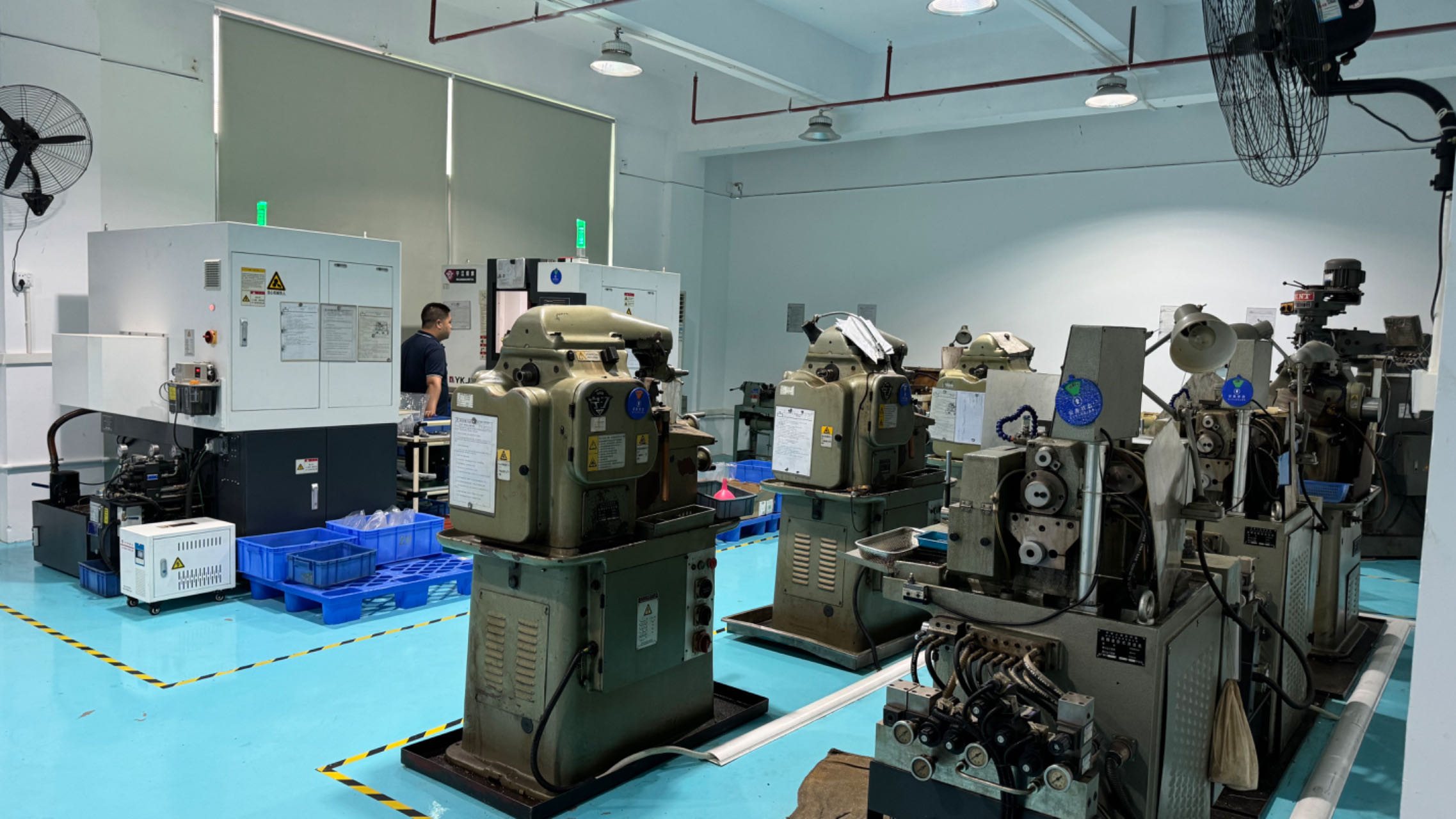
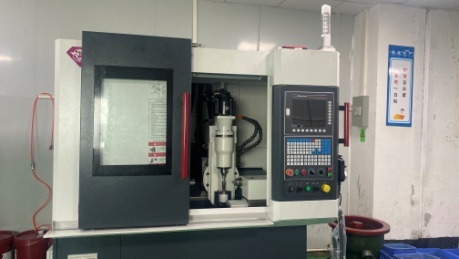
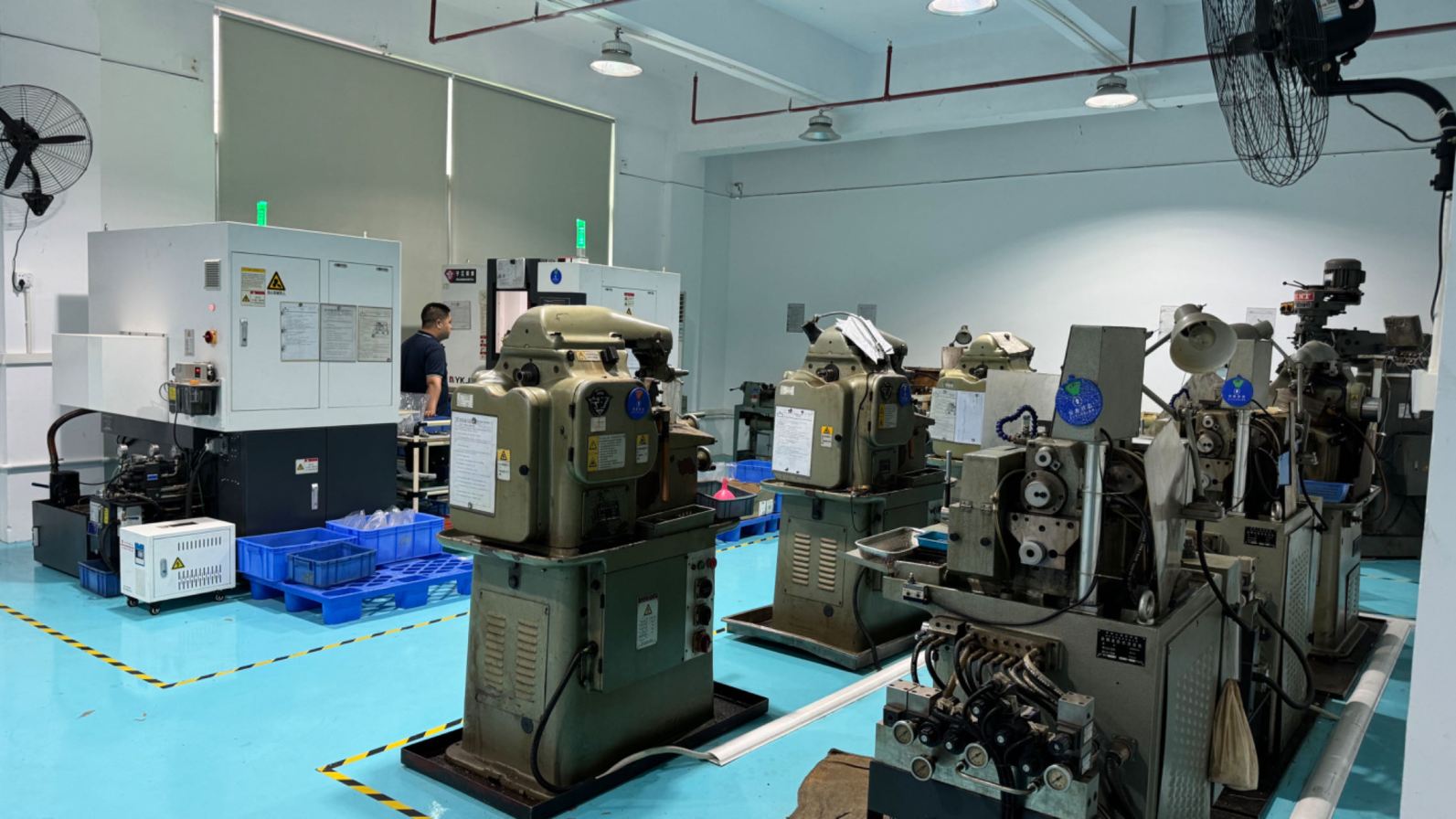
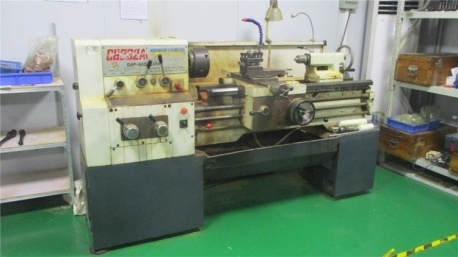
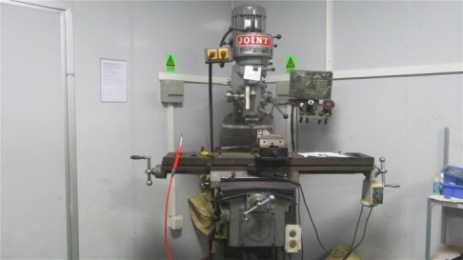
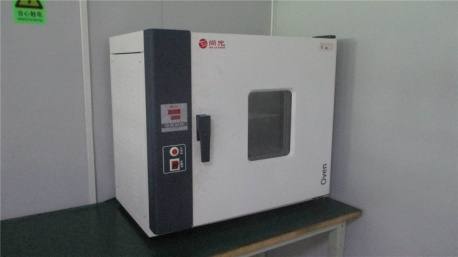
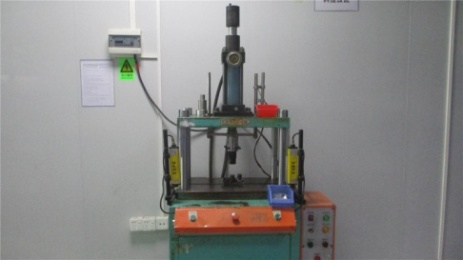
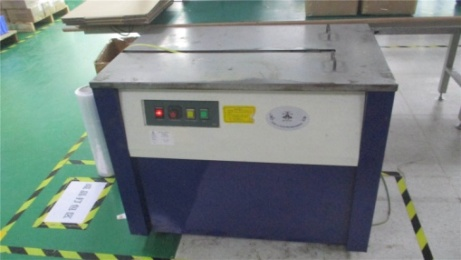
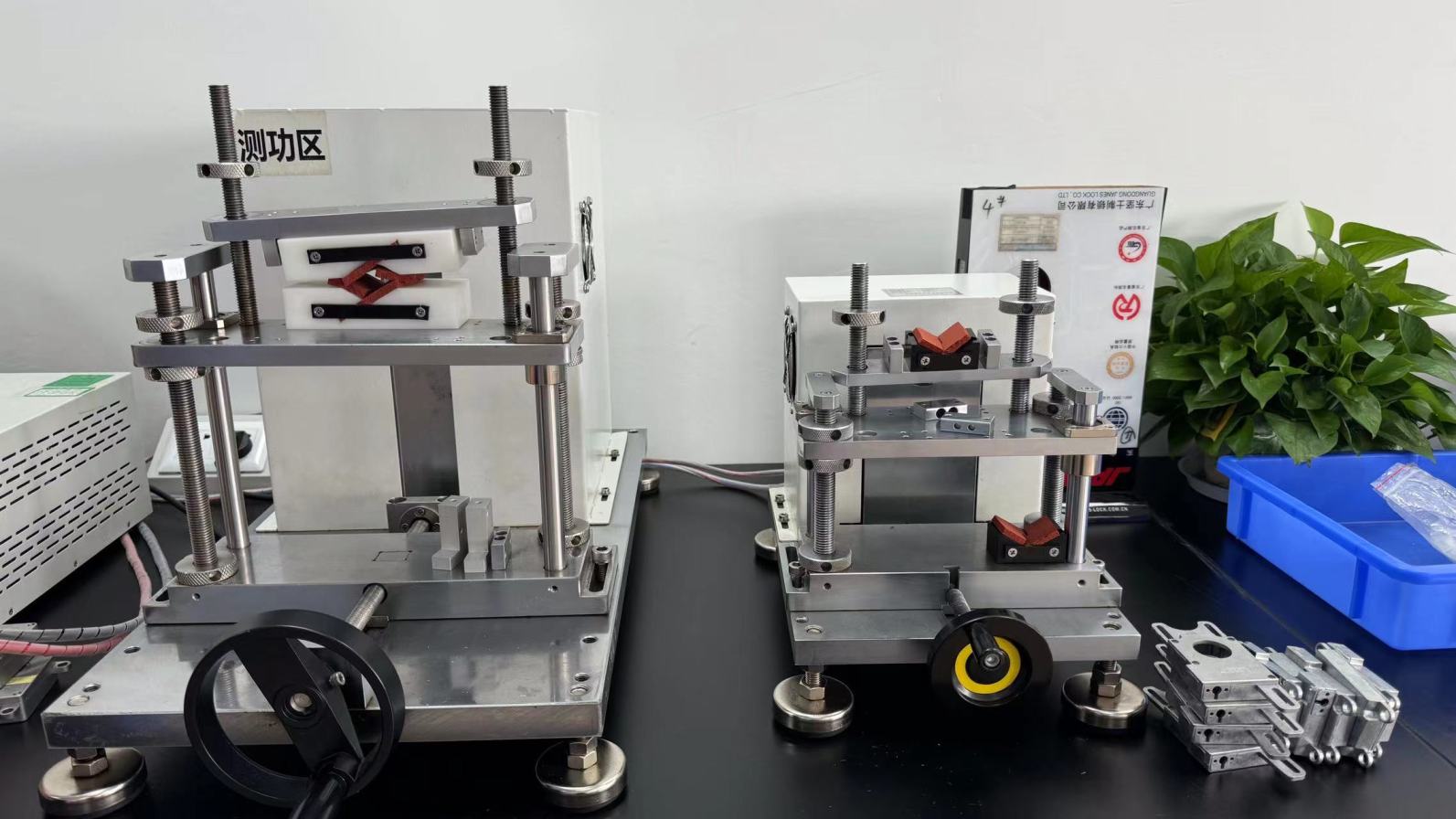
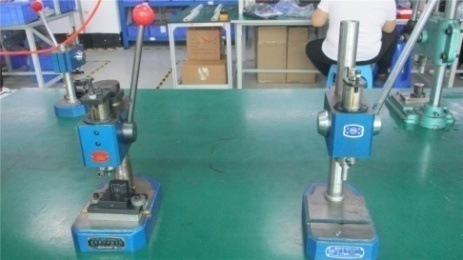
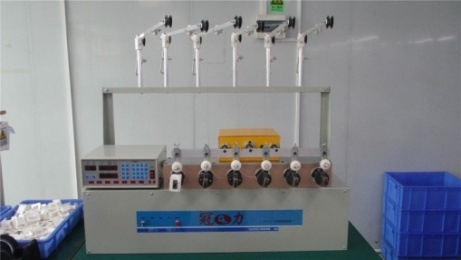
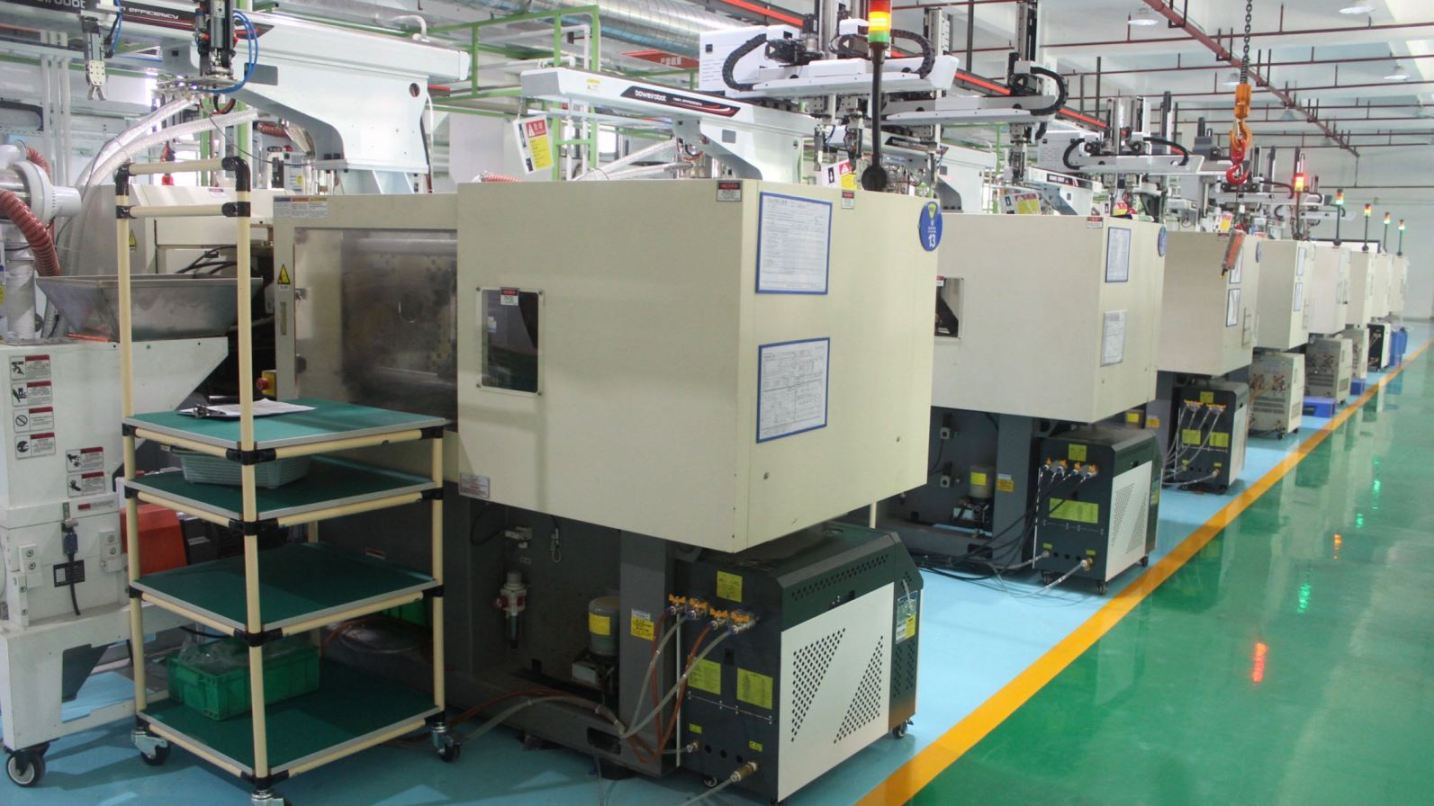
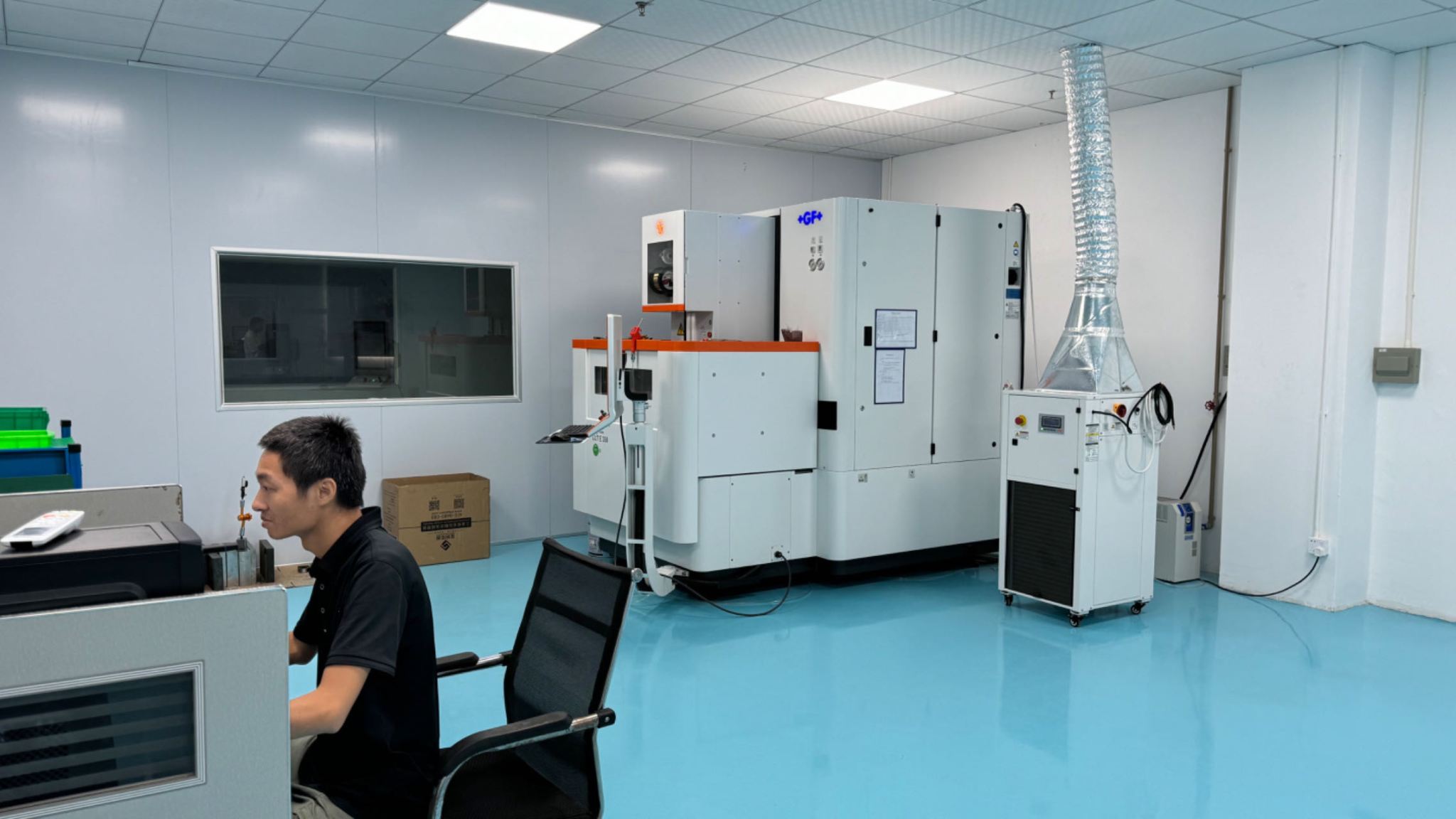
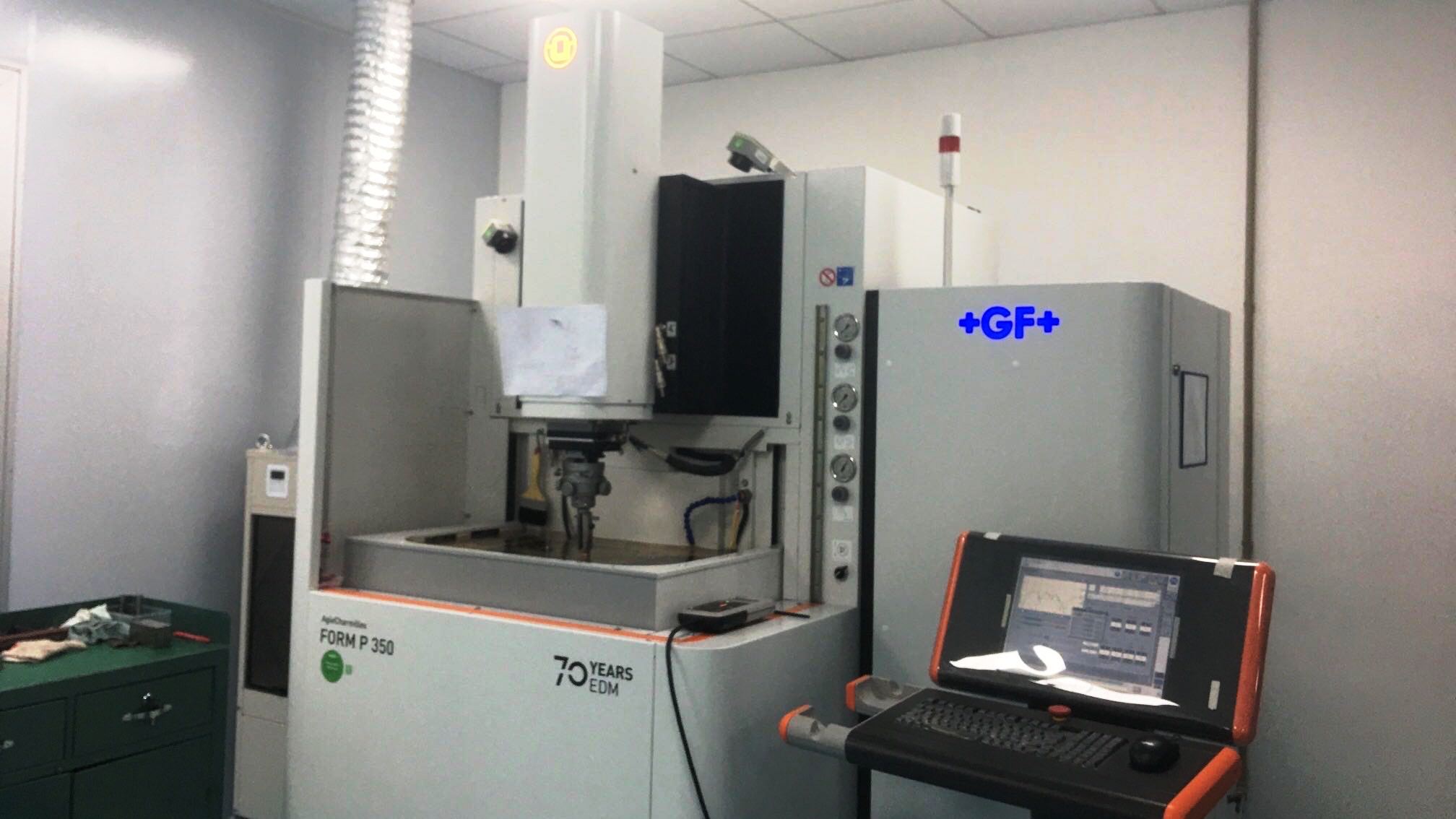
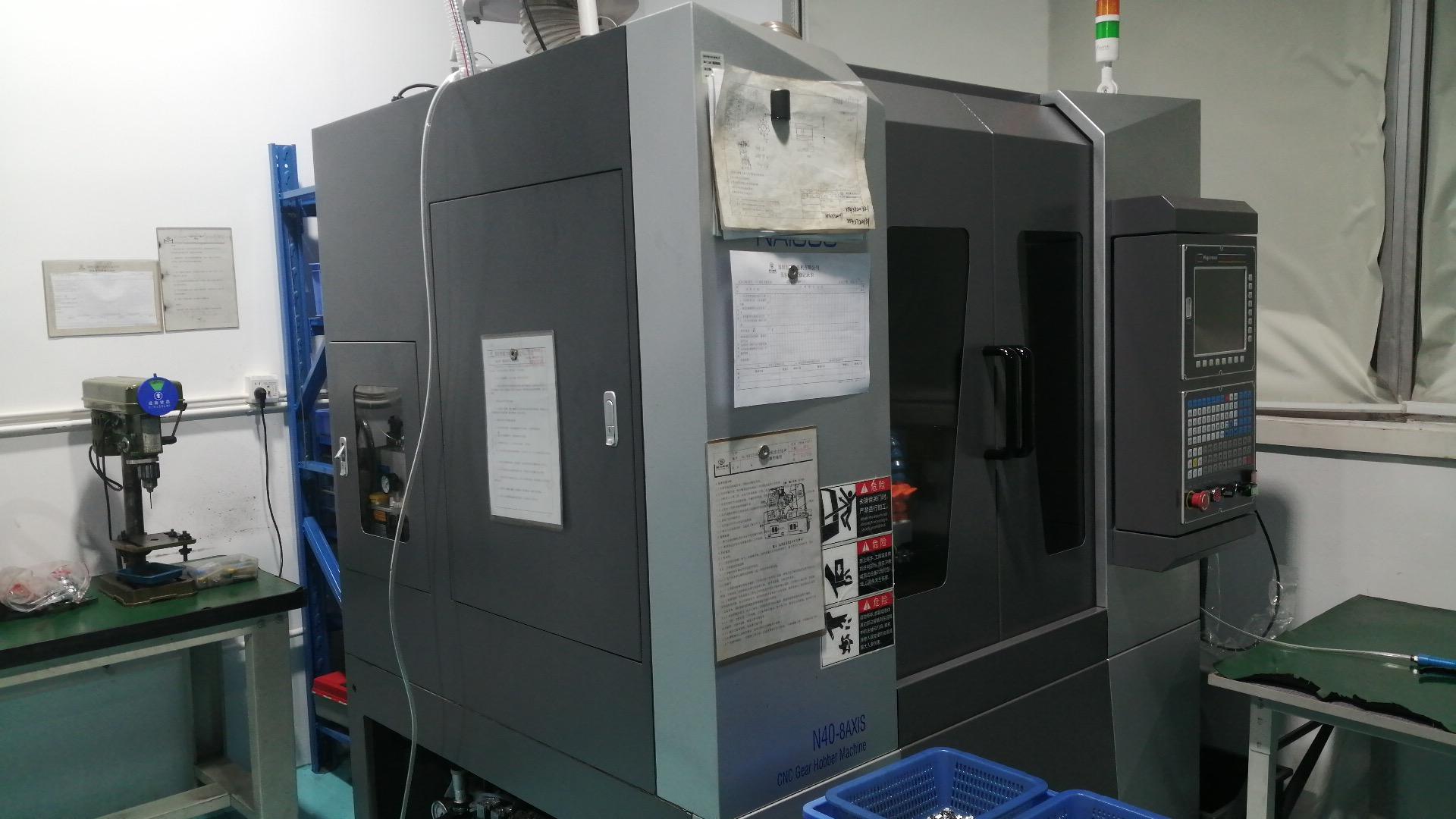
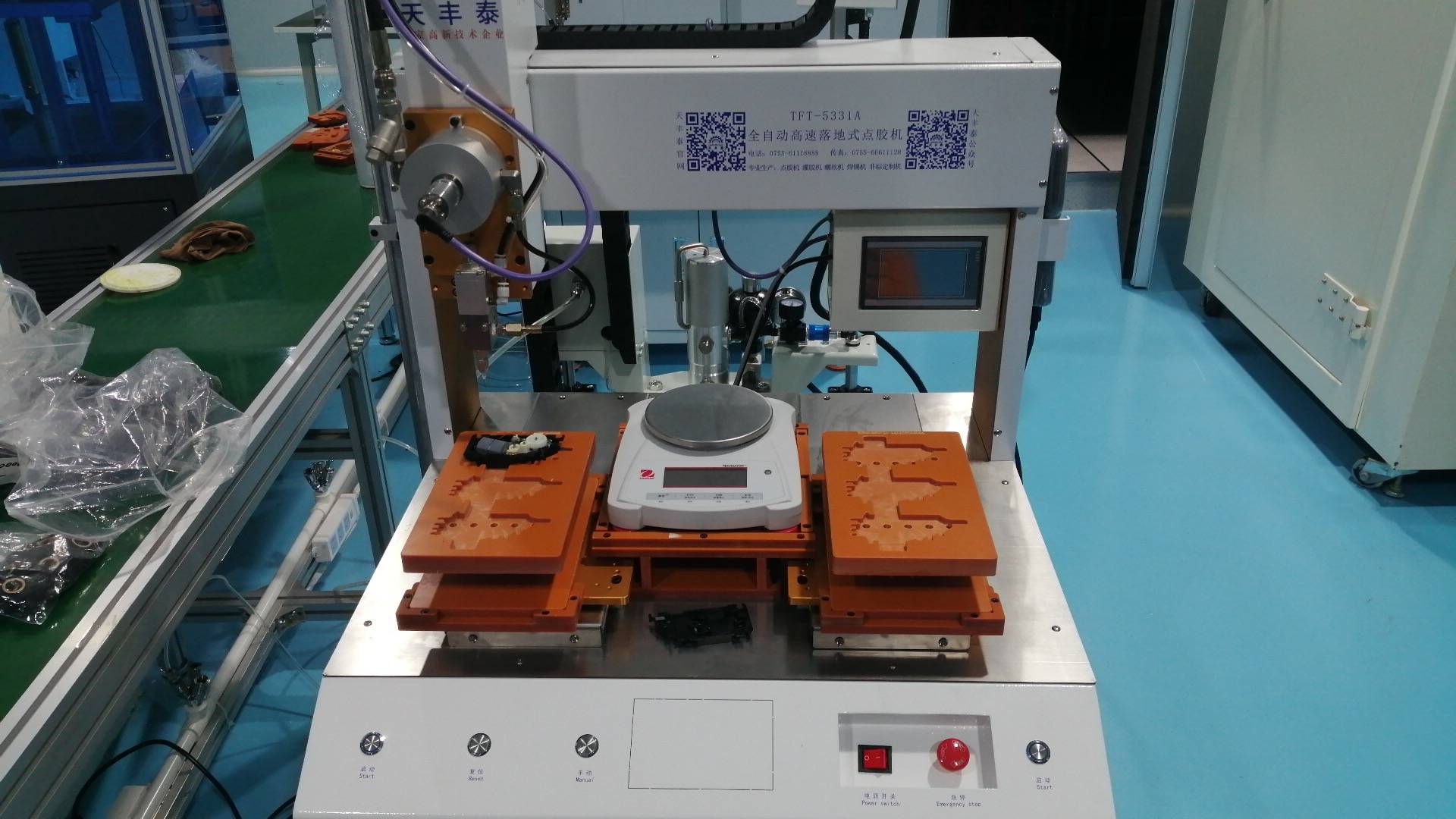
Industrial Precision Machining Equipment

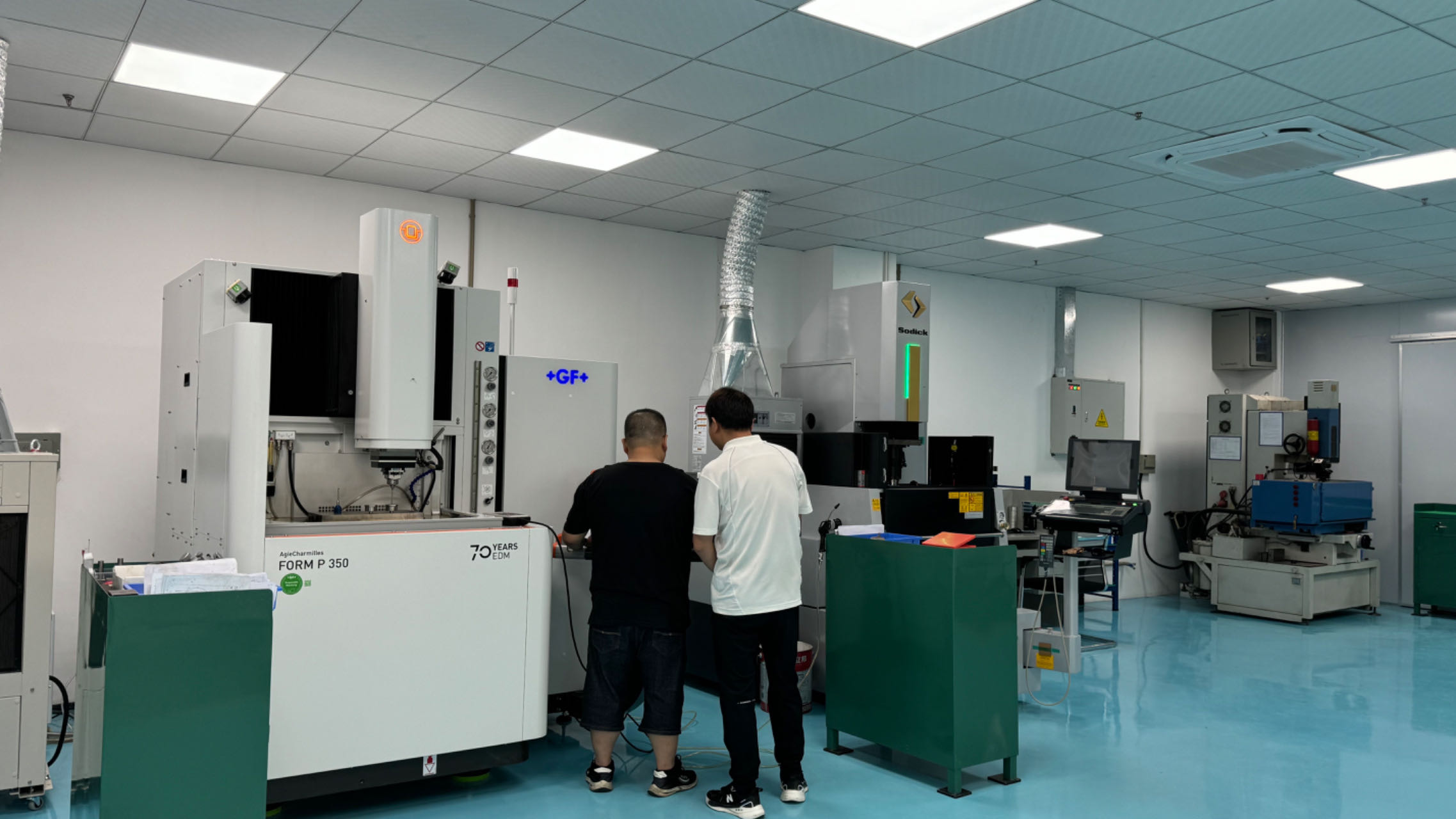
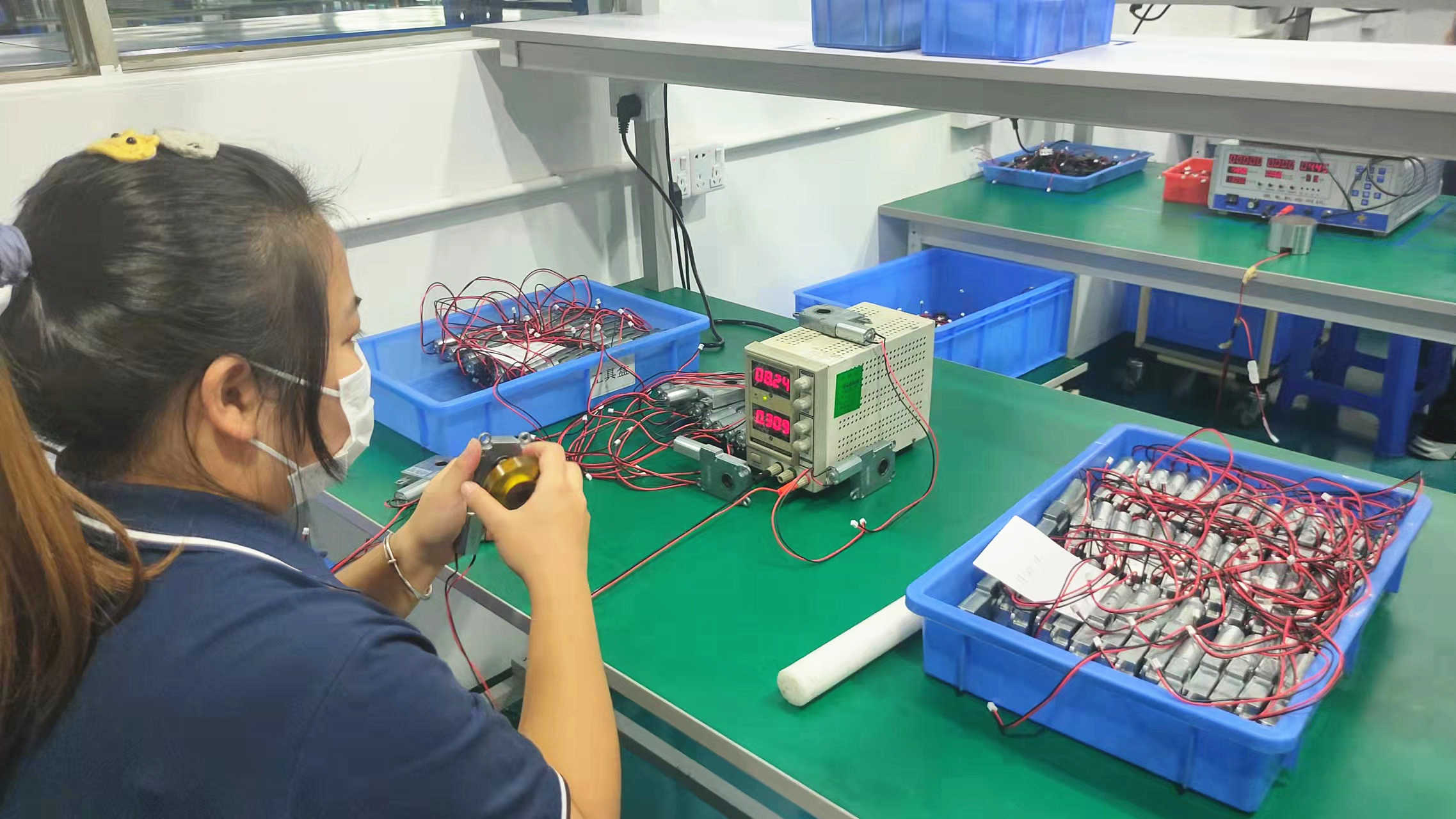
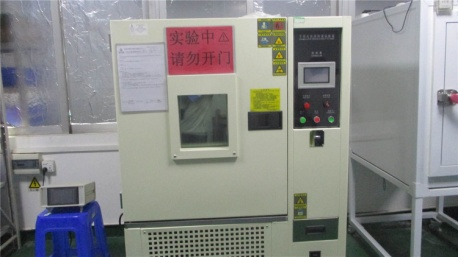
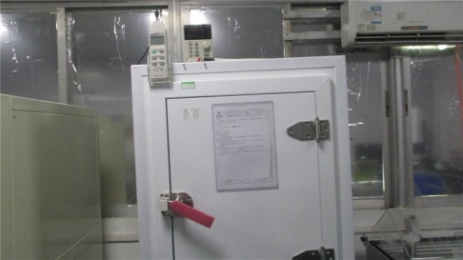
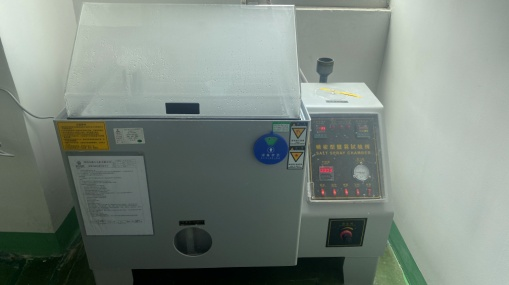
Comprehensive Quality Testing Lab
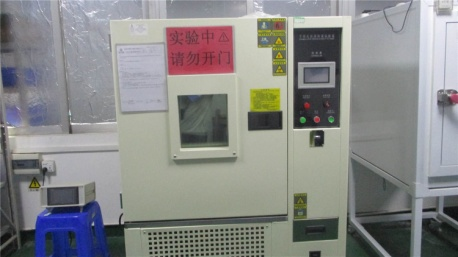
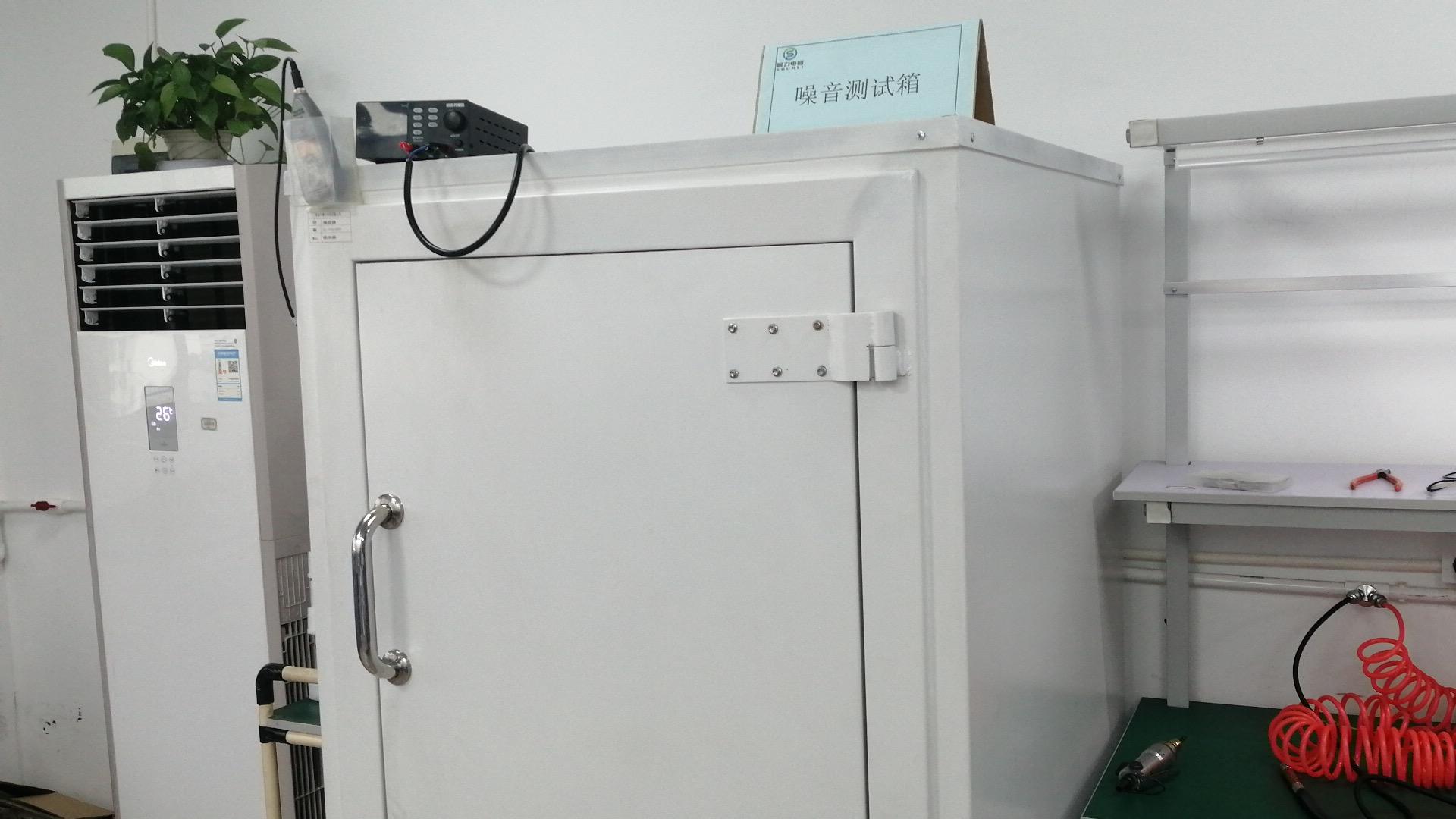
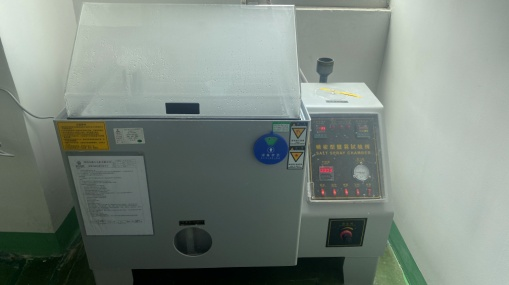
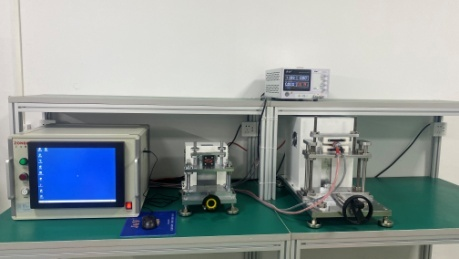
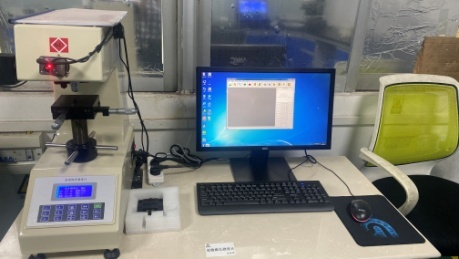
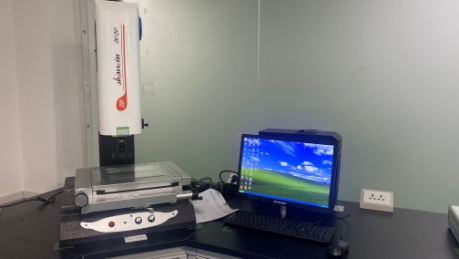
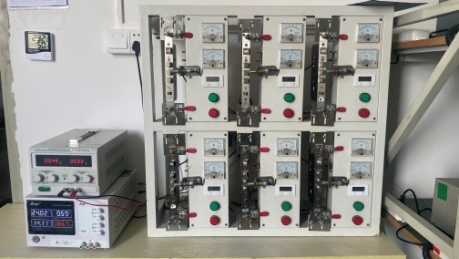
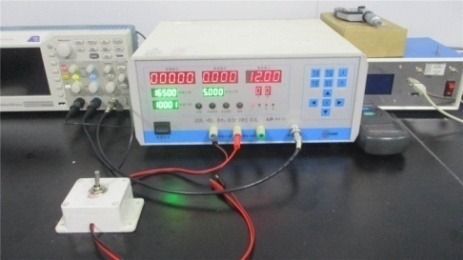
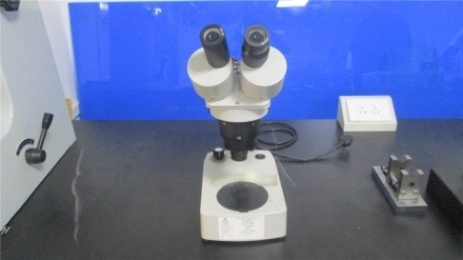
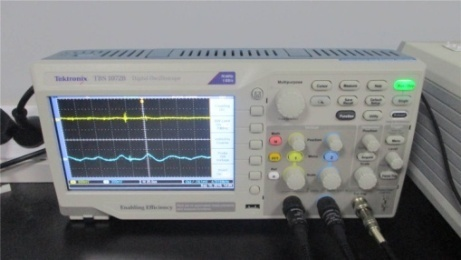
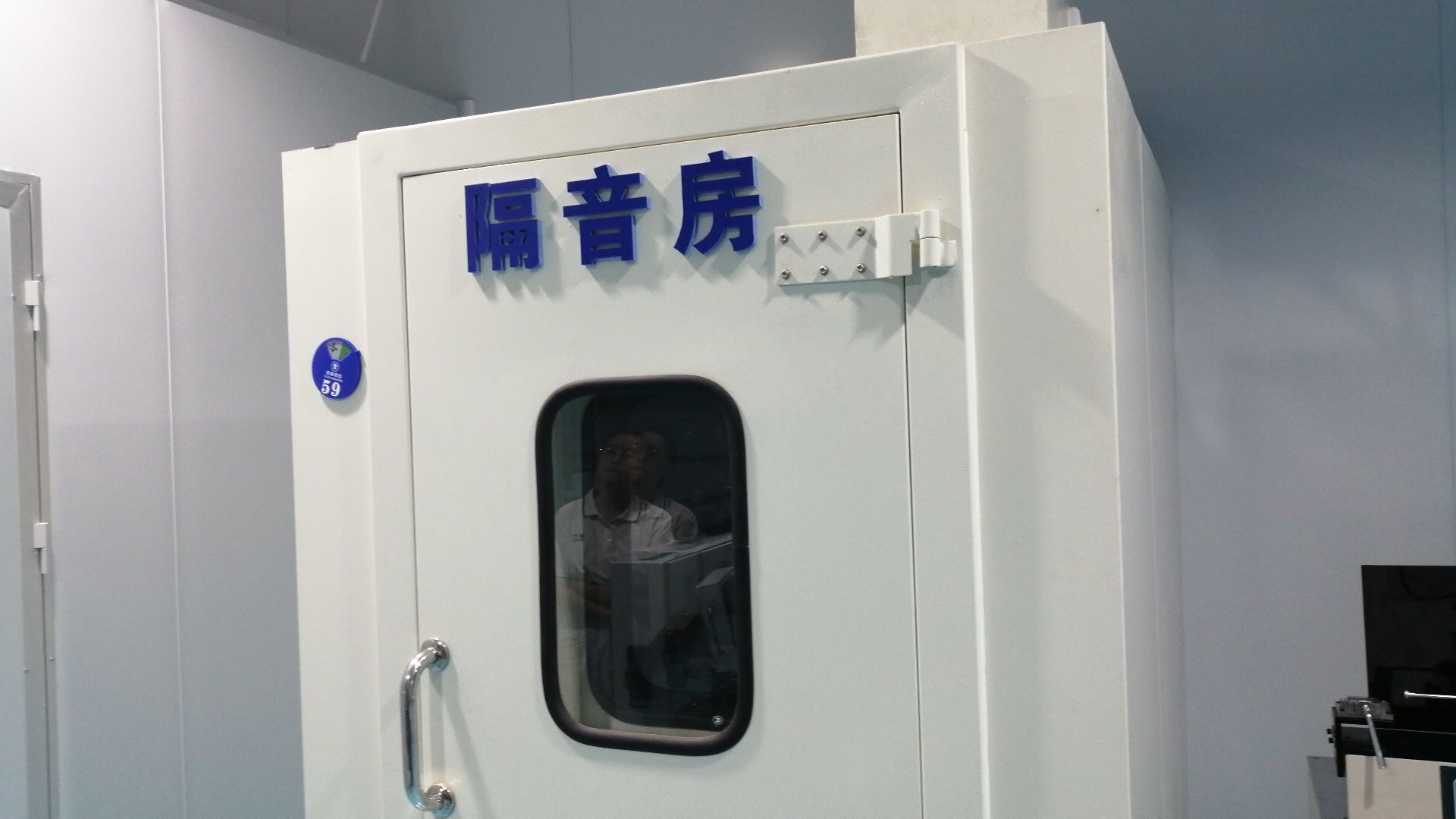
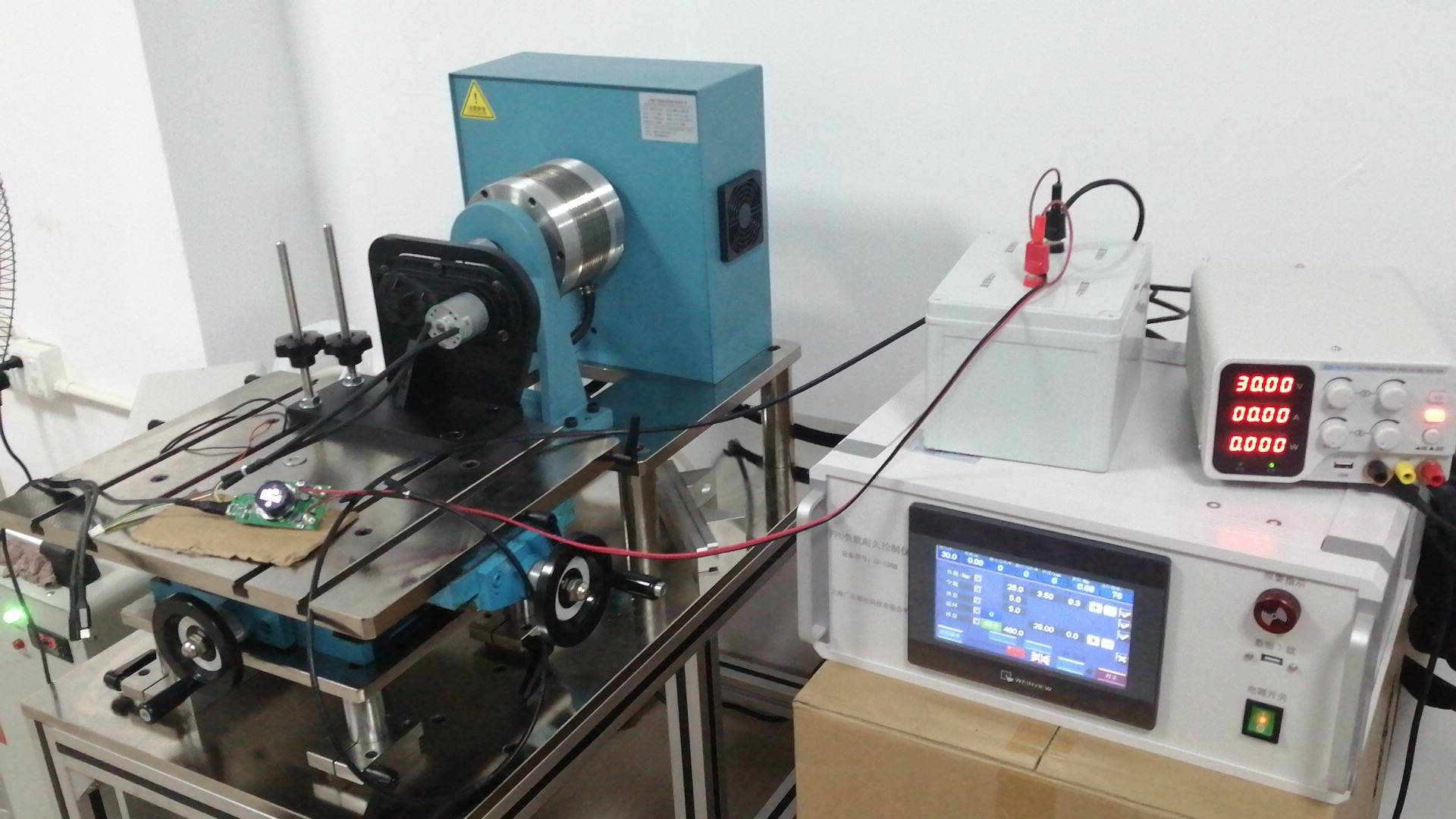
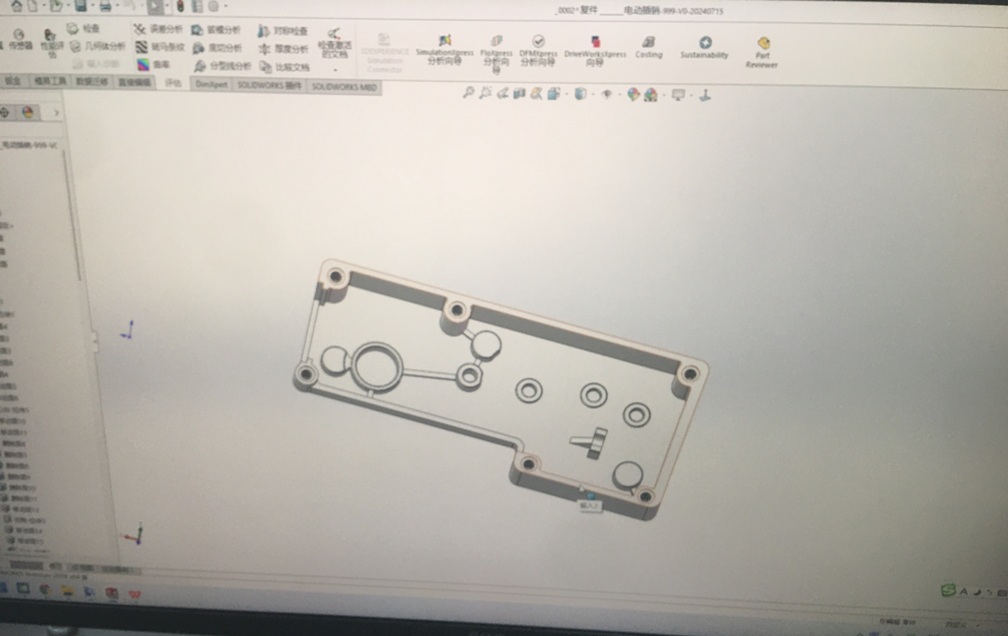
Advanced R&D and Customization Process
Our design office utilizes computational fluid dynamics, stress simulations, and specialized environmental tests to custom-engineer gear motors to your exact requirements.
Industry Whitepaper: The Evolution of DC Worm Gear Systems
Uncovering the mechanical advantages, modern engineering requirements, and selection dynamics that maximize power density.
In high-torque, space-constrained automation, the DC worm gear motor remains a foundational component. By pairing a worm gear setup with custom DC motors, engineers leverage physical self-locking properties and high reduction ratios in a compact footprint. Understanding the details of this design is vital for successful industrial procurement.
1. The Physics and Mechanics of Worm Gear Interaction
Worm gear systems function via a screw-like worm driving a gear. Unlike typical spur or helical gears that experience rolling contact, worm gearing operates primarily through sliding friction. This sliding friction naturally dampens vibrations and delivers quiet performance. Additionally, it enables high single-stage gear ratios (often from 10:1 up to 100:1), avoiding the need for multi-stage gear trains that increase mechanical complexity and back-lash.
The lead angle of the worm determines its self-locking capabilities. When the lead angle is small, the gear cannot easily rotate the worm, creating a built-in brake. This is crucial for applications like hoists, security gates, and medical beds, where preventing back-driving during power losses is essential.
2. Materials Engineering for Sustained Life Cycles
Because sliding friction generates heat, material selection is critical to motor longevity. High-quality worm gearboxes pair case-hardened steel worms with phosphor bronze or reinforced composite gear wheels. Hardened steel provides wear resistance, while bronze gears deform slightly to distribute load, reducing friction and extending lifespan.
In high-volume applications like vending machines, engineered plastics are often preferred for their cost efficiency, low weight, and self-lubricating properties. Designing these polymer gear sets requires careful thermal calculations to prevent deformation under continuous load.
3. Navigating Efficiency and Lubrication Challenges
Sliding contact makes worm gearboxes less efficient than spur gearboxes, particularly at higher reduction ratios. Efficiency ranges from 50% to 90%, depending on the starting torque, sliding speed, and lubricant choice.
To reduce friction, synthetic lubricants like polyalphaolefins (PAO) or polyalkylene glycols (PAG) are used. These lubricants offer stable viscosity across extreme temperatures, preventing oil film breakdown and premature wear. Seal integrity is equally important; high-quality double-lip NBR or Viton seals protect against oil leakage and contaminants in harsh industrial environments.
Global Sourcing Requirements & Market Trends
Understanding OEM/ODM procurement pain points and matching motor specifications to evolving application environments.
Local Regulatory Compliance
Global electronics markets require compliance with CE, RoHS, and REACH. In medical and automotive fields, suppliers must provide comprehensive material traceability and validation certificates to avoid export holdups.
Total Cost of Ownership
Industrial buyers balance unit price with long-term reliability. Partnering with vertically integrated factories reduces total costs by minimizing quality claims and field failures.
Integration of Smart Sensors
Modern applications increasingly require Hall effect encoders, temperature sensors, and integrated controllers to enable real-time feedback, positioning accuracy, and predictive maintenance.
Localized Applications & Integration Case Studies
DC worm gear motors are widely used in specialized regional industries:
- North American Smart Home Automation: Used in motorized recliners, automated skylights, and garage door openers, prioritizing quiet operation, low standby power, and reliable self-locking.
- European Medical Equipment: Powers adjustors in hospital beds and patient lifters. Strict compliance with medical safety standards and high electromagnetic compatibility (EMC) are mandatory.
- Asia-Pacific Smart Retail & Smart Cities: Found in vending machines and sorting systems, demanding long cycle life and high starting torque in small spaces.
OEM/ODM Technical FAQ (Frequently Asked Questions)
Get quick answers to common engineering, procurement, and manufacturing questions about DC worm gear motors.
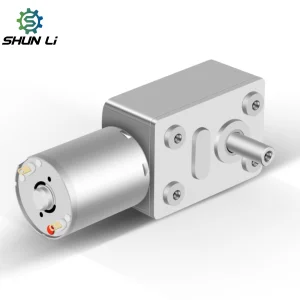
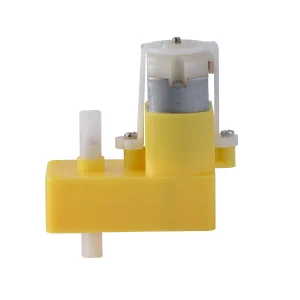
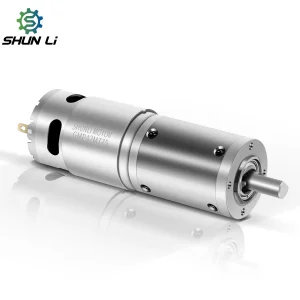
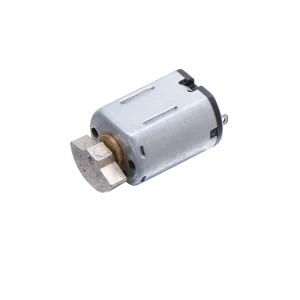
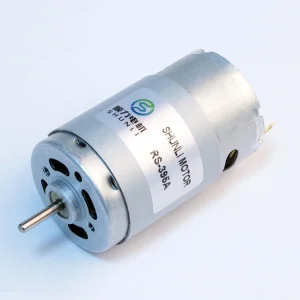
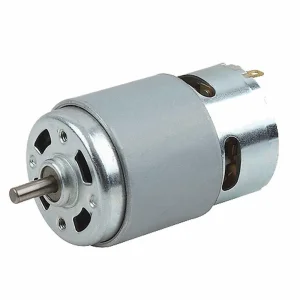
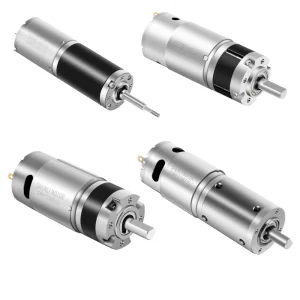
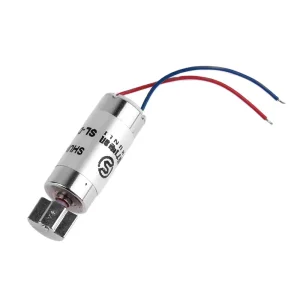
All Specialized Micro-Drive Motors
Our complete line of high-torque, low-noise DC & AC motors engineered for demanding industrial, consumer, and hobby applications.
Original Raw Assets
Our manufacturing, assembly, and testing workflows are detailed below to ensure compliance with our strict internal procedures.