Micprec Motor
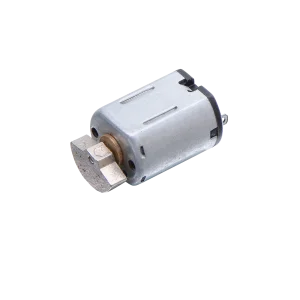
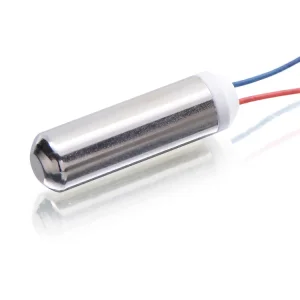
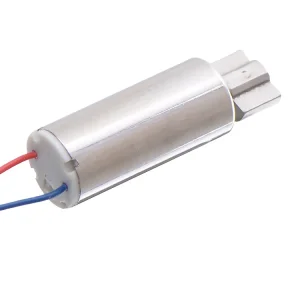
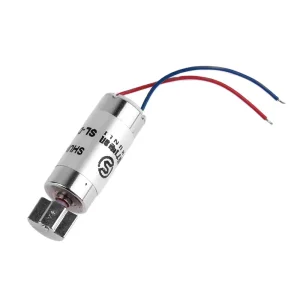
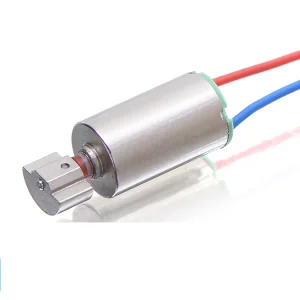
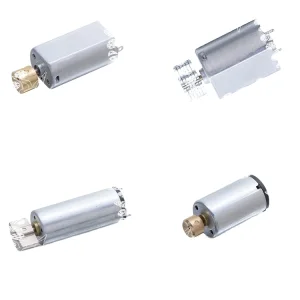
High-Performance DC Micro Vibration Motors
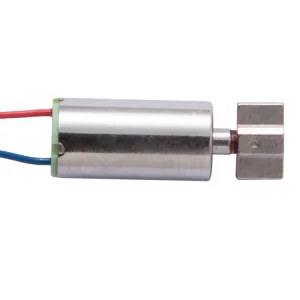
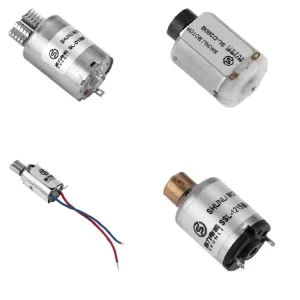
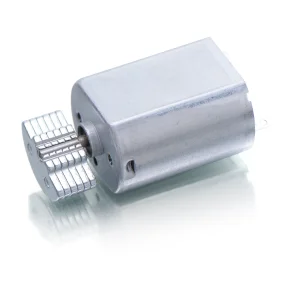
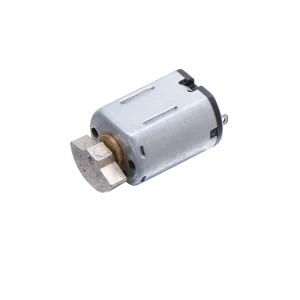
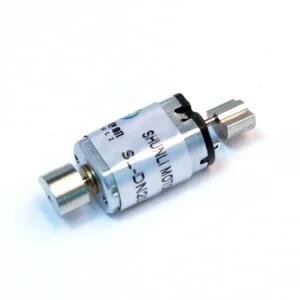
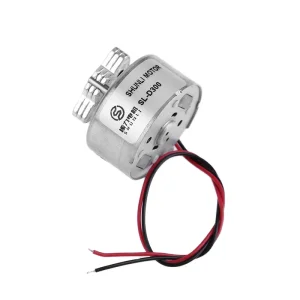
Smart Manufacturing for a Sustainable Future
Welcome to the forefront of micro-drive technology. Micprec Motor stands as an industry-leading pioneer, operating a state-of-the-art facility engineered exclusively for structural efficiency, ultra-micro precision, and carbon-neutral sustainability. As an established, high-volume China manufacturer and global exporter of micro DC, cored, and brushless vibration actuators, we merge over twenty years of industrial heritage with a highly integrated, automated manufacturing ecosystem.
Our core philosophy revolves around the absolute mitigation of mechanical energy loss and electromagnetic interference. From initial design to high-volume assembly, every phase is calibrated to support international quality architectures. The entire production facility conforms to the stringent guidelines of ISO9001:2015, CE, RoHS, and REACH compliance systems, ensuring that our products meet the complex regulatory frameworks of regions such as North America, the European Union, and East Asia.
Choosing Micprec Motor means securing a resilient, technically proficient supply chain partner that values energy efficiency, physical component reliability, and bespoke product co-development.
The Engineering Roadmap of Micro Vibration Actuators
Our R&D division constantly pushes the physical limits of micro-scale electromagnetic systems. Below is an engineering overview of our current technological vectors, addressing structural design, material sciences, and efficiency optimization.
1. Microscopic Dimensions & Physical Miniaturization
Our research focuses on scaling down diameters to as low as 3mm and 4mm without losing mechanical force density. By utilizing high-density sintered Neodymium-Iron-Boron (NdFeB) rare-earth magnets, we achieve exceptional torque-to-volume ratios, allowing micro-actuators to fit within high-density PCBs and flexible wearable arrays.
2. Low-Voltage & Energy-Efficient Regimes
Modern IoT and wellness devices operate under tight energy budgets, frequently relying on small single-cell batteries (1.5V) or miniature Li-ion systems (3.7V). We use specialized computer-controlled winding configurations to lower starter current peaks, minimizing battery drain and reducing structural thermal signatures.
3. Brush Commutation Wear & Precious Metal Optimization
Traditional carbon brushes face accelerated degradation in ultra-micro environments. Our engineering leverages precious metal alloy leaf brushes (Gold, Silver, Platinum, and Palladium combinations) to ensure highly stable contact resistance, reduced electromagnetic noise (EMI), and operating lifespans that match or exceed product wear cycles.
4. Haptic Feedback Precision Engineering
As human-machine interfaces shift to touchpads and virtual reality inputs, our vibration profiles are tuned for transient response metrics. We minimize rise and fall response times, ensuring distinct, crisp tactile feedback instead of sluggish, muddy mechanical outputs.
Innovation Focus: Hollow Cup Coreless Motors
By removing the heavy, slotted iron core from the armature assembly, our Hollow Cup Coreless Vibration Motors completely eliminate cogging torque. The self-supporting, skew-wound copper coil spins in a strong magnetic field, providing high acceleration, low electrical noise, and an exceptionally smooth torque output. This design serves as the premium choice for haptic systems, medical instruments, and high-reliability aerospace components.
China Factory 4.0: Supply Chain Resilience & Precision
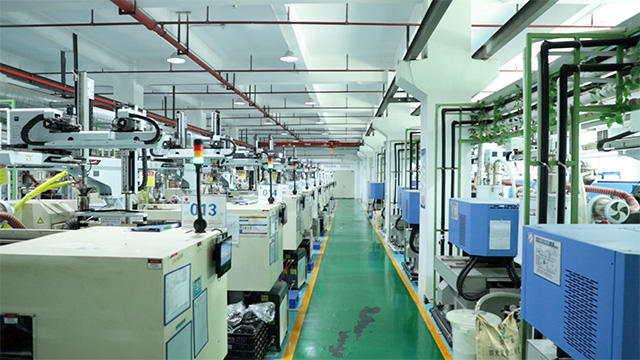
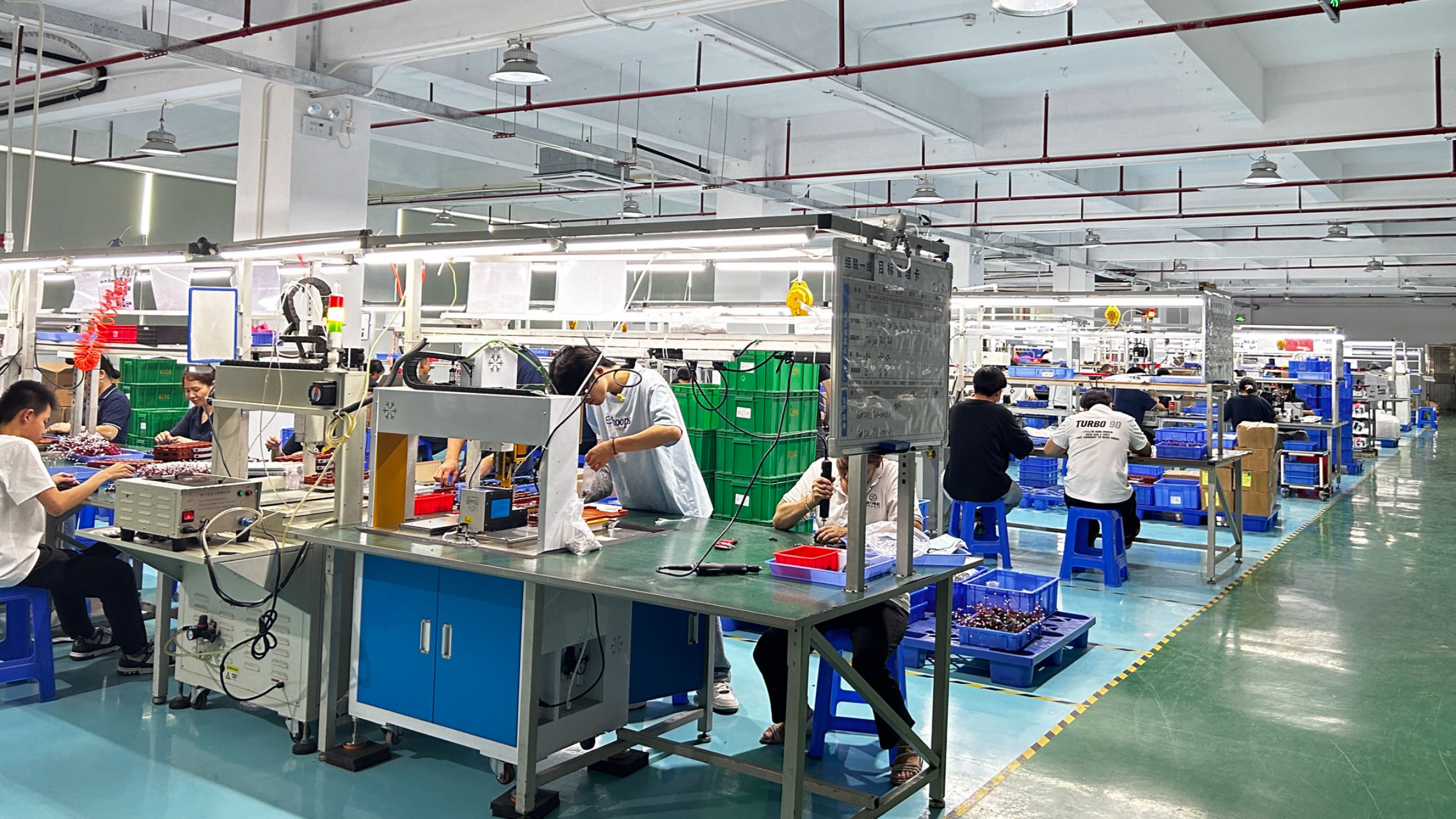
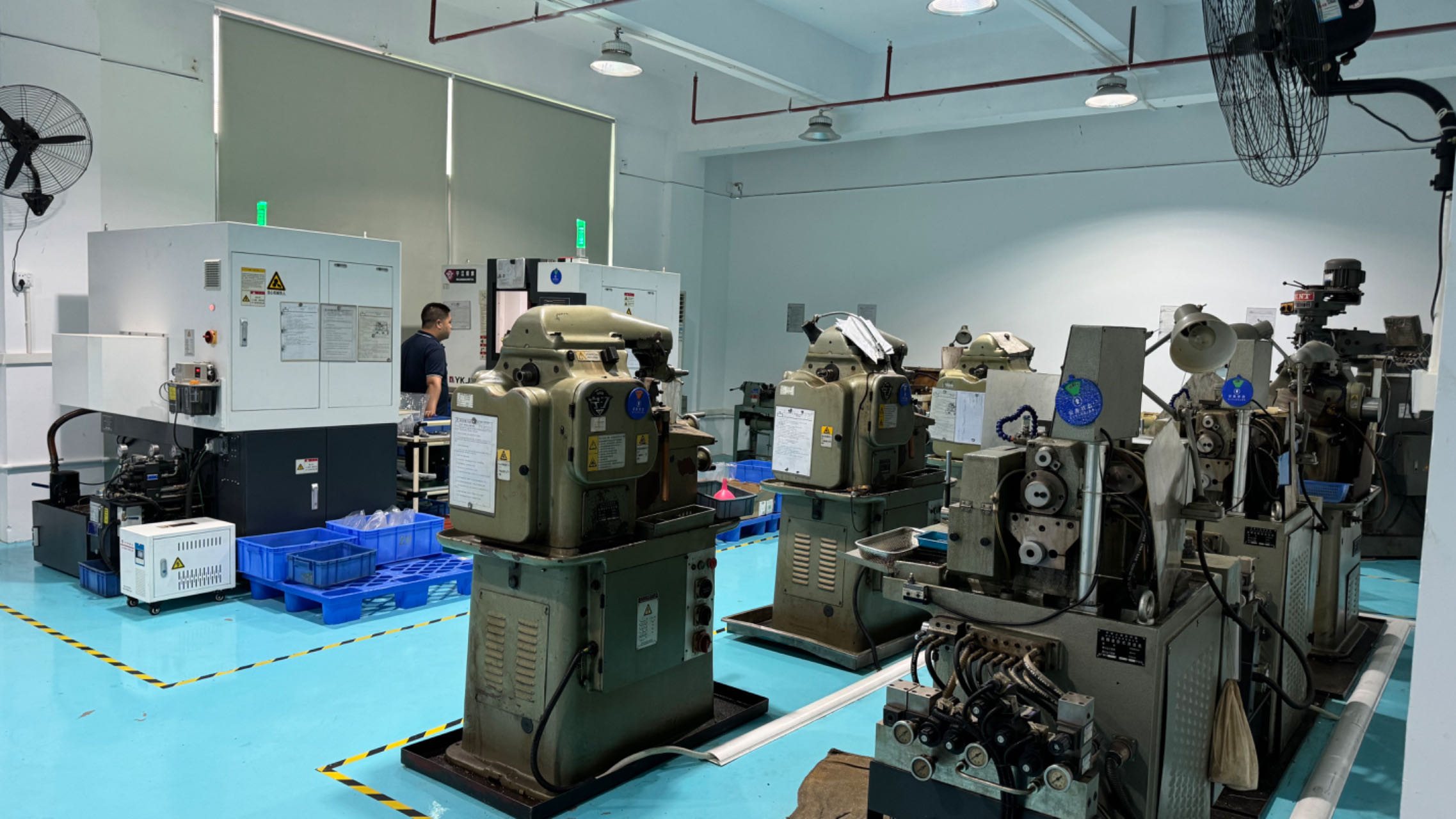
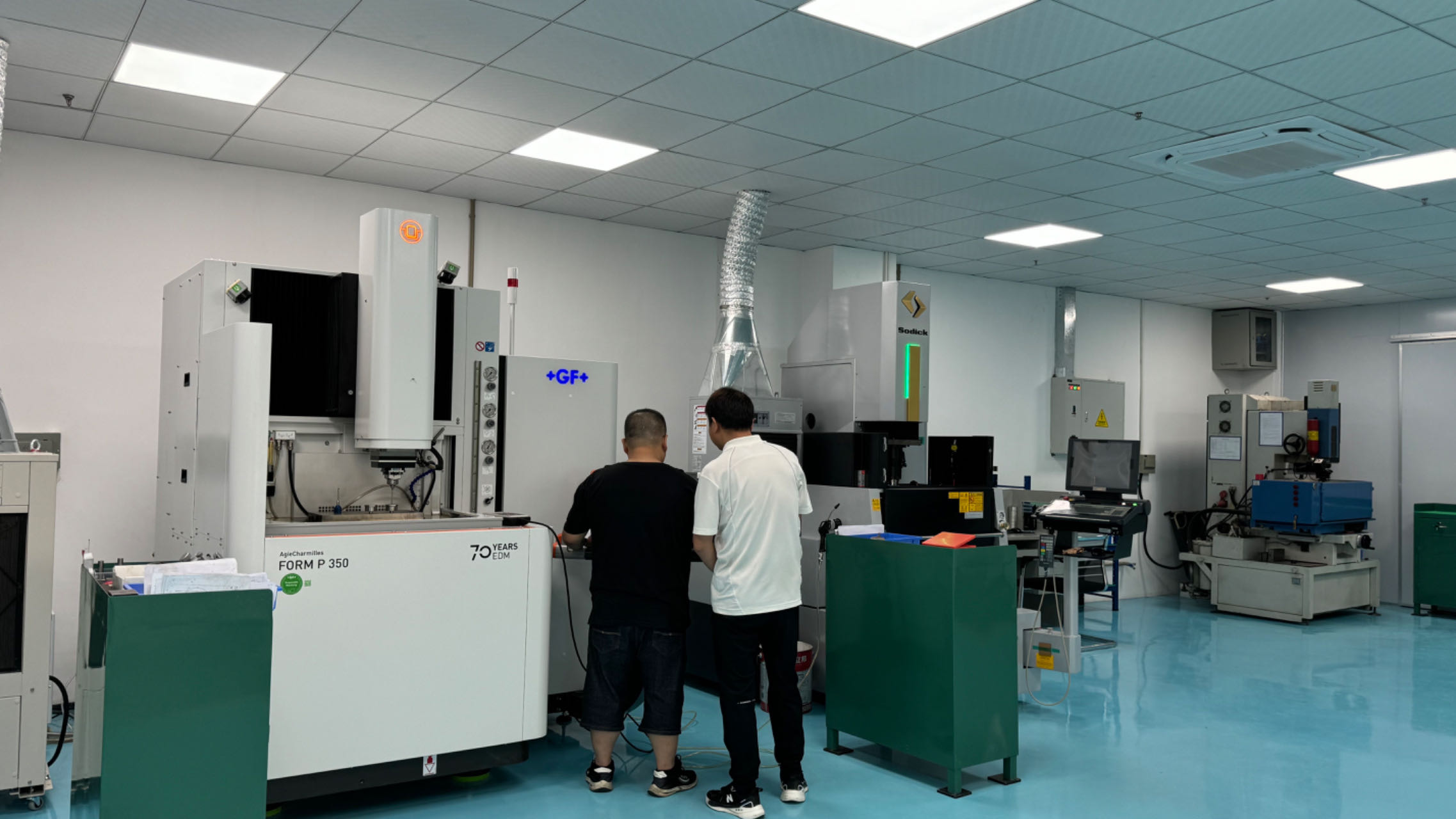
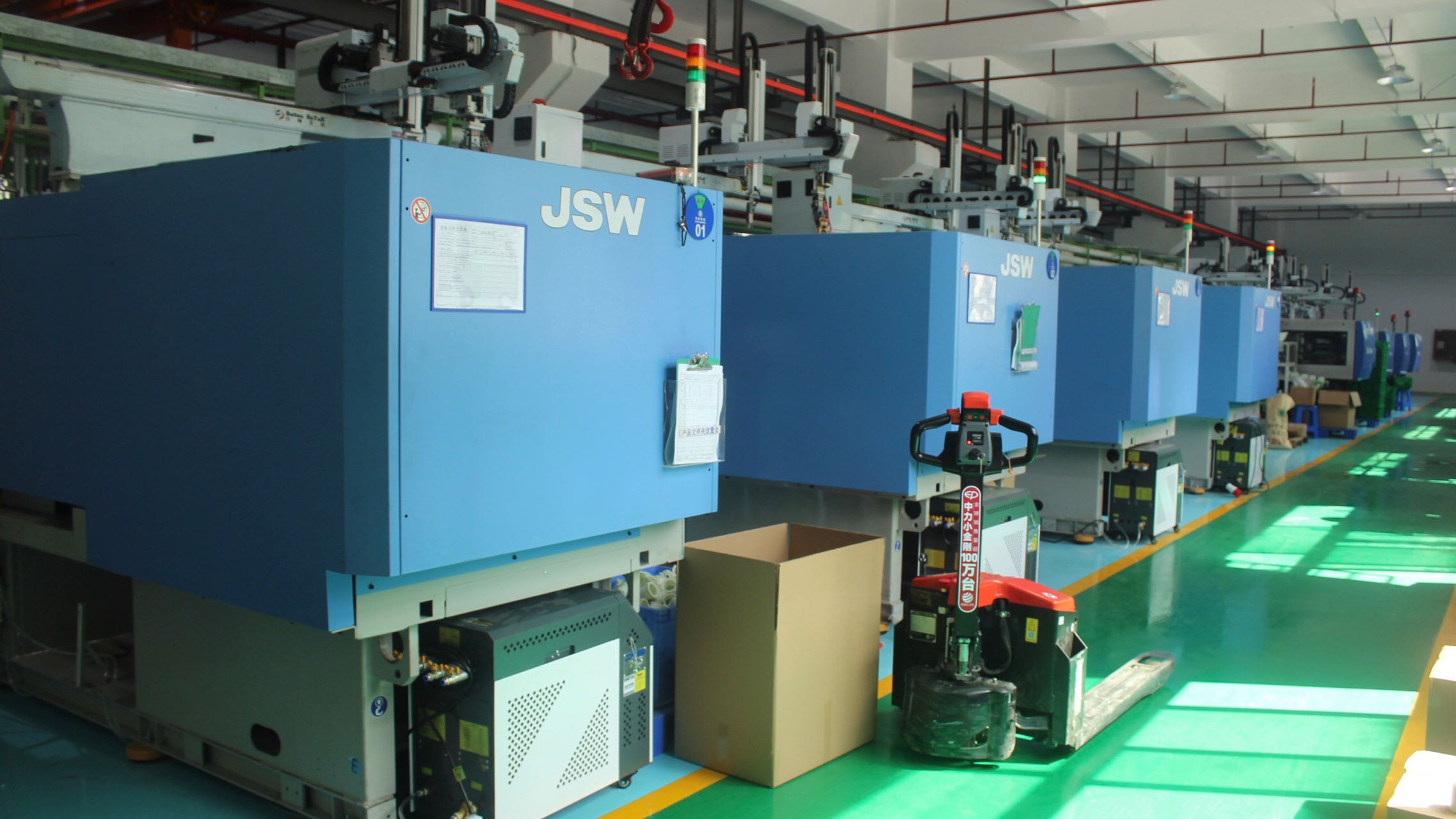
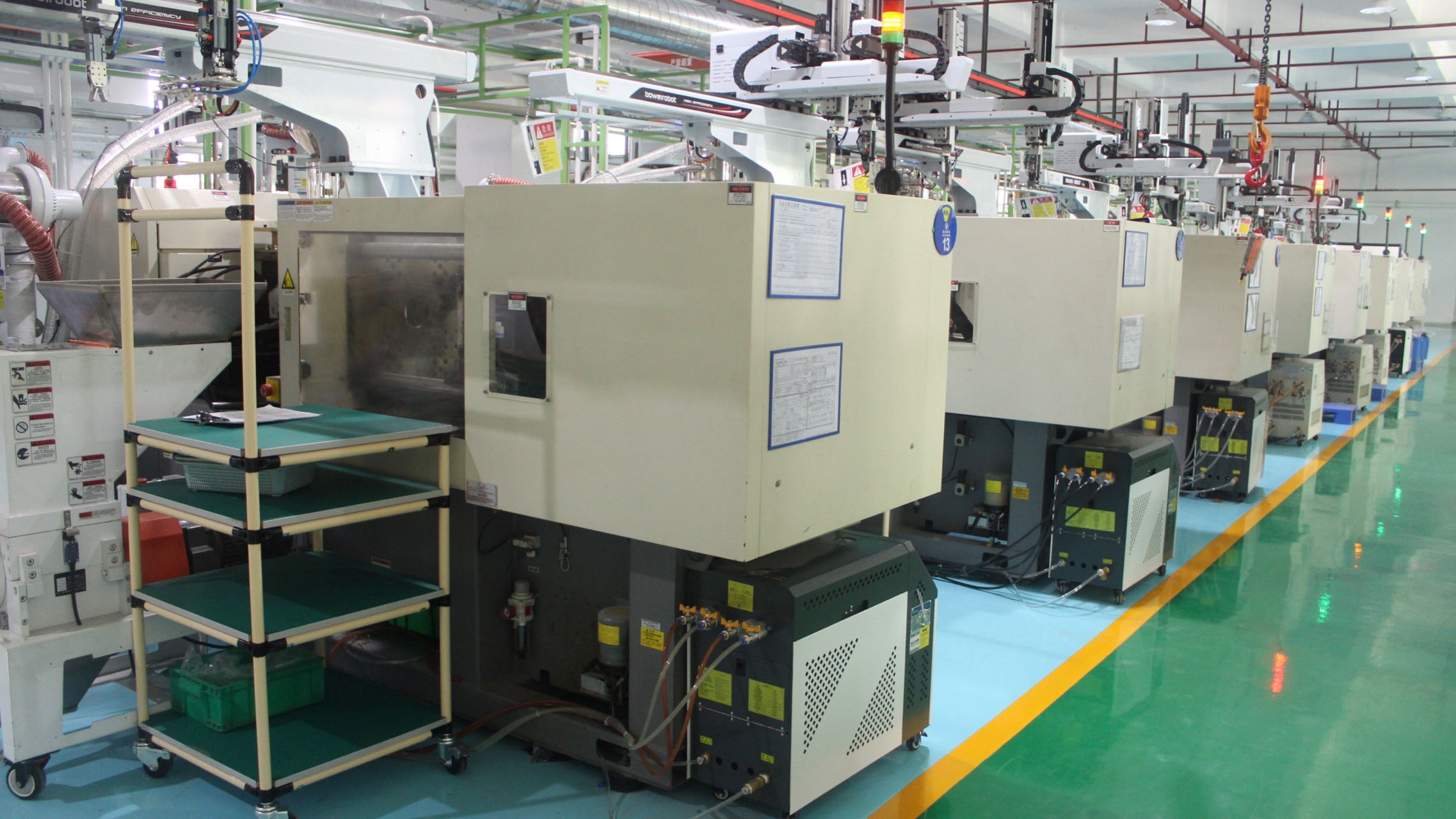
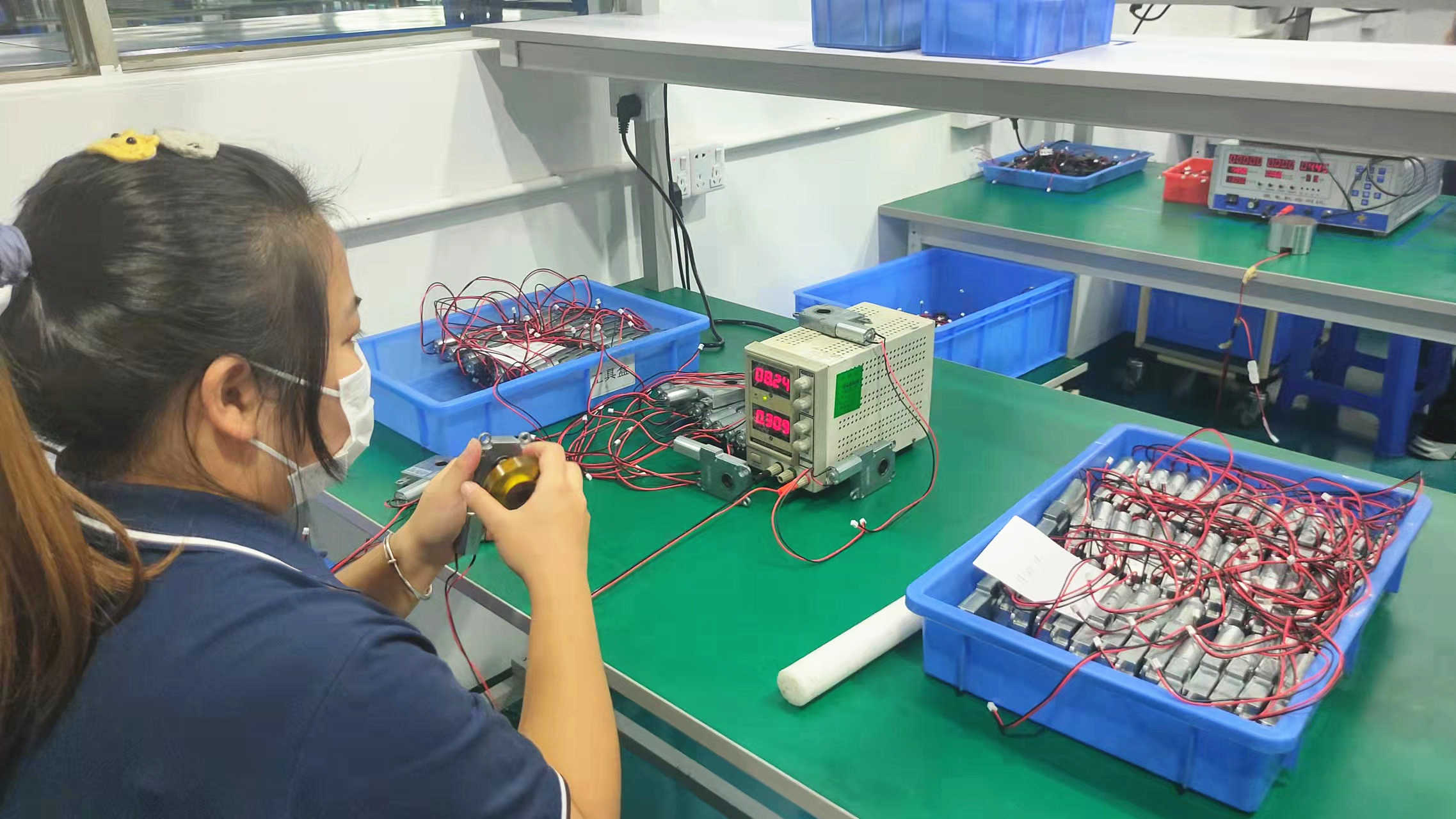
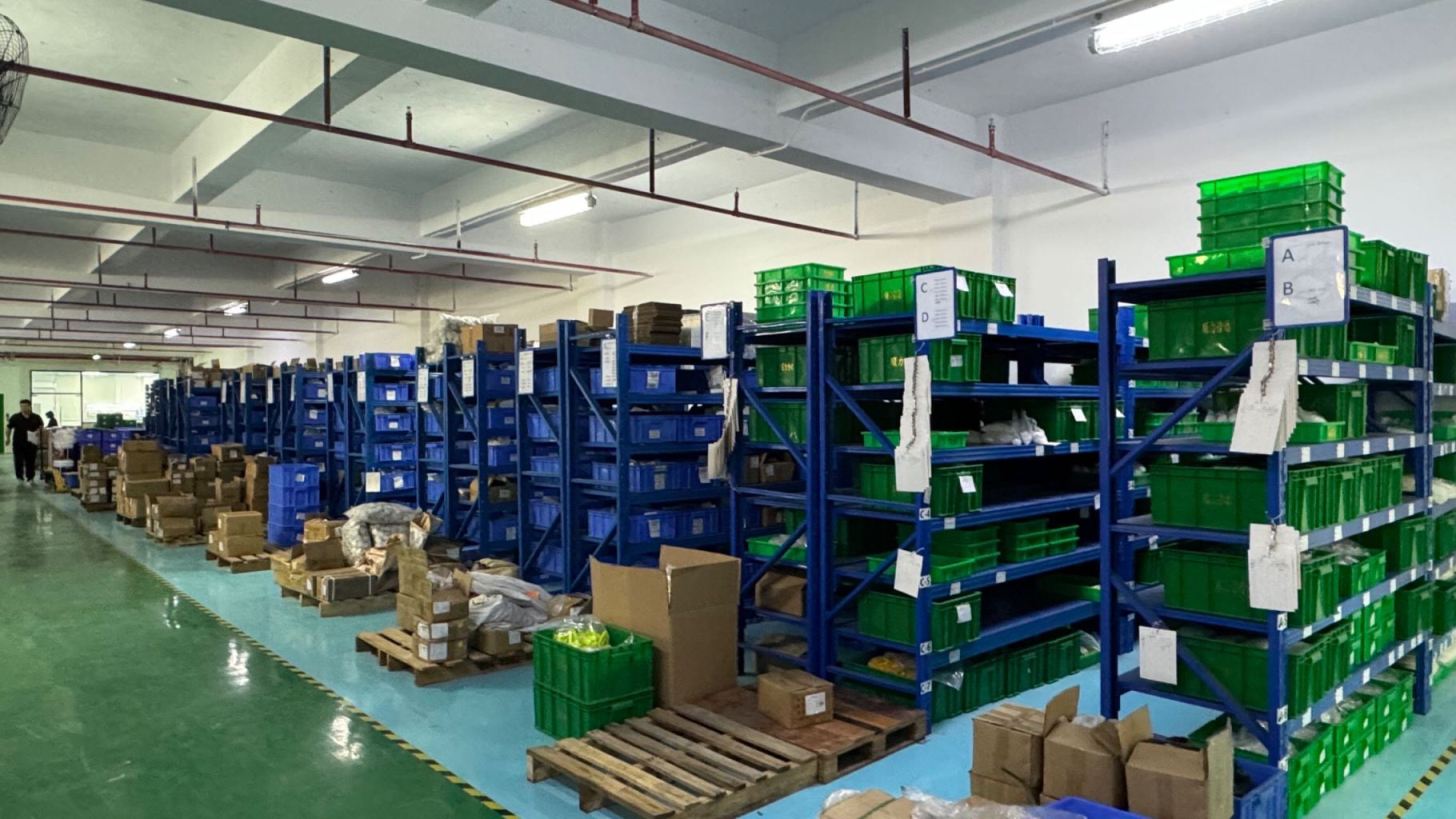
Operating in the industrial heart of Guangdong, our factory utilizes automated production technology and strict quality checkpoints to deliver thousands of precision components daily.

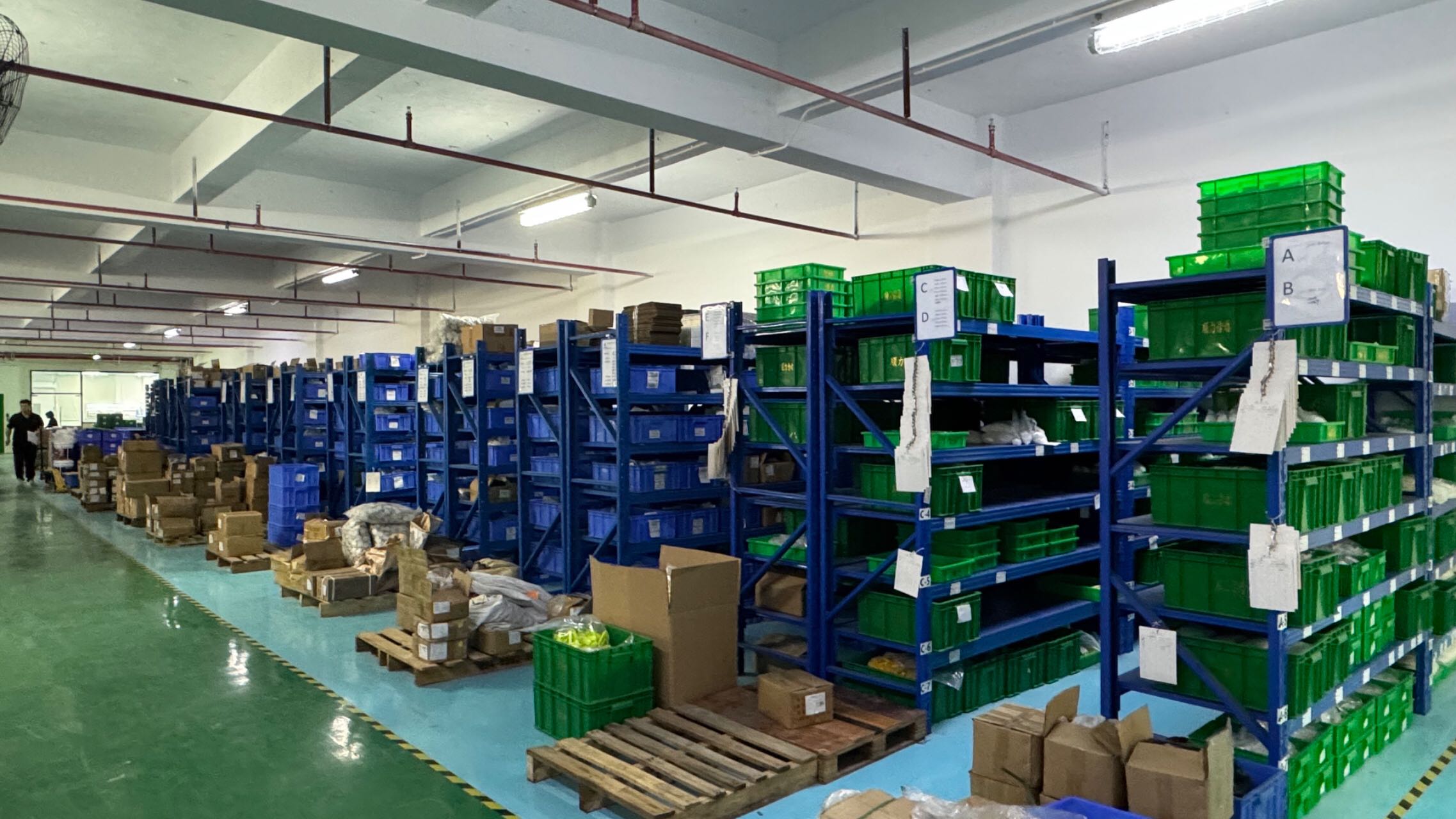
Core Manufacturing Pipeline

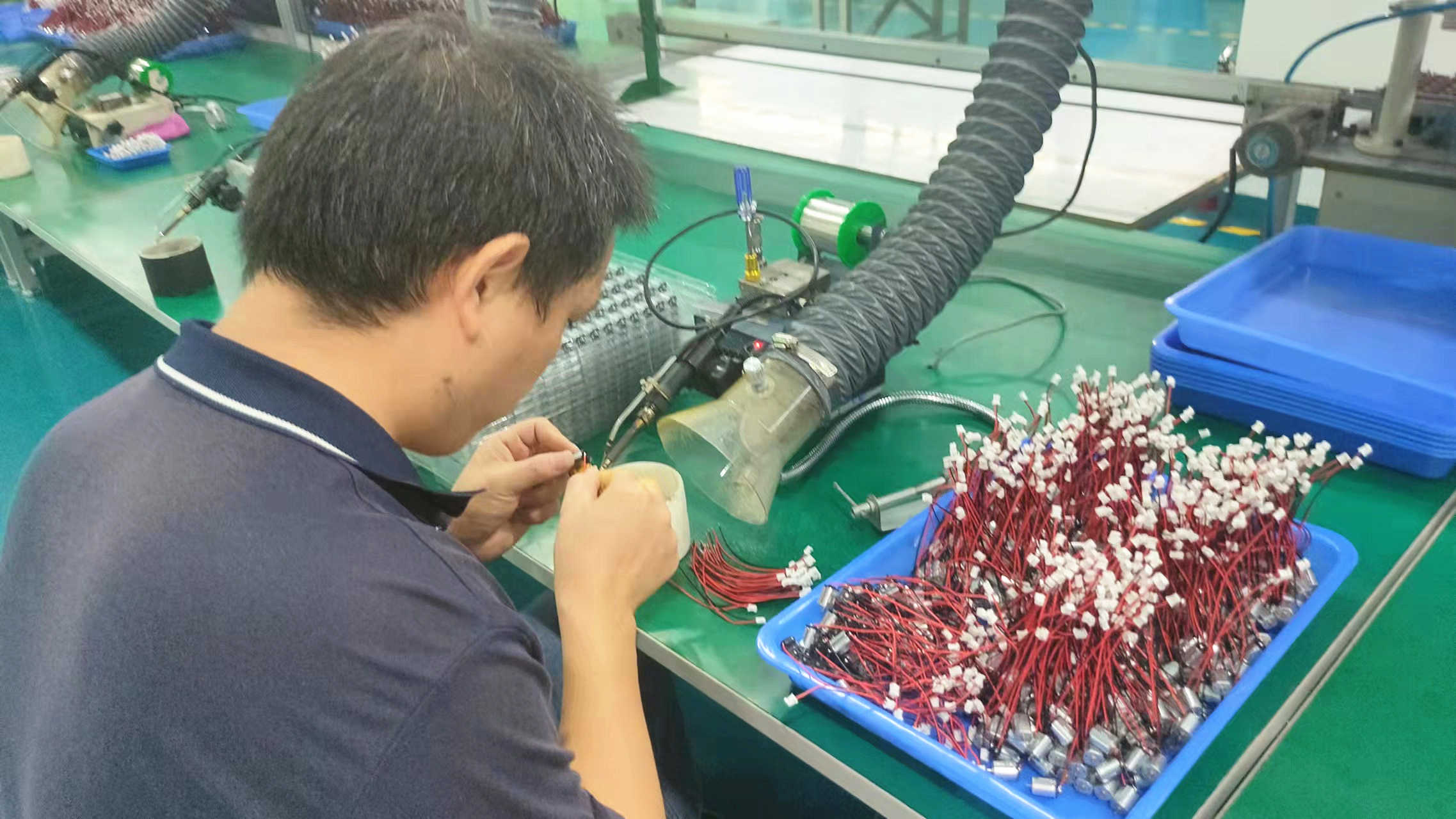
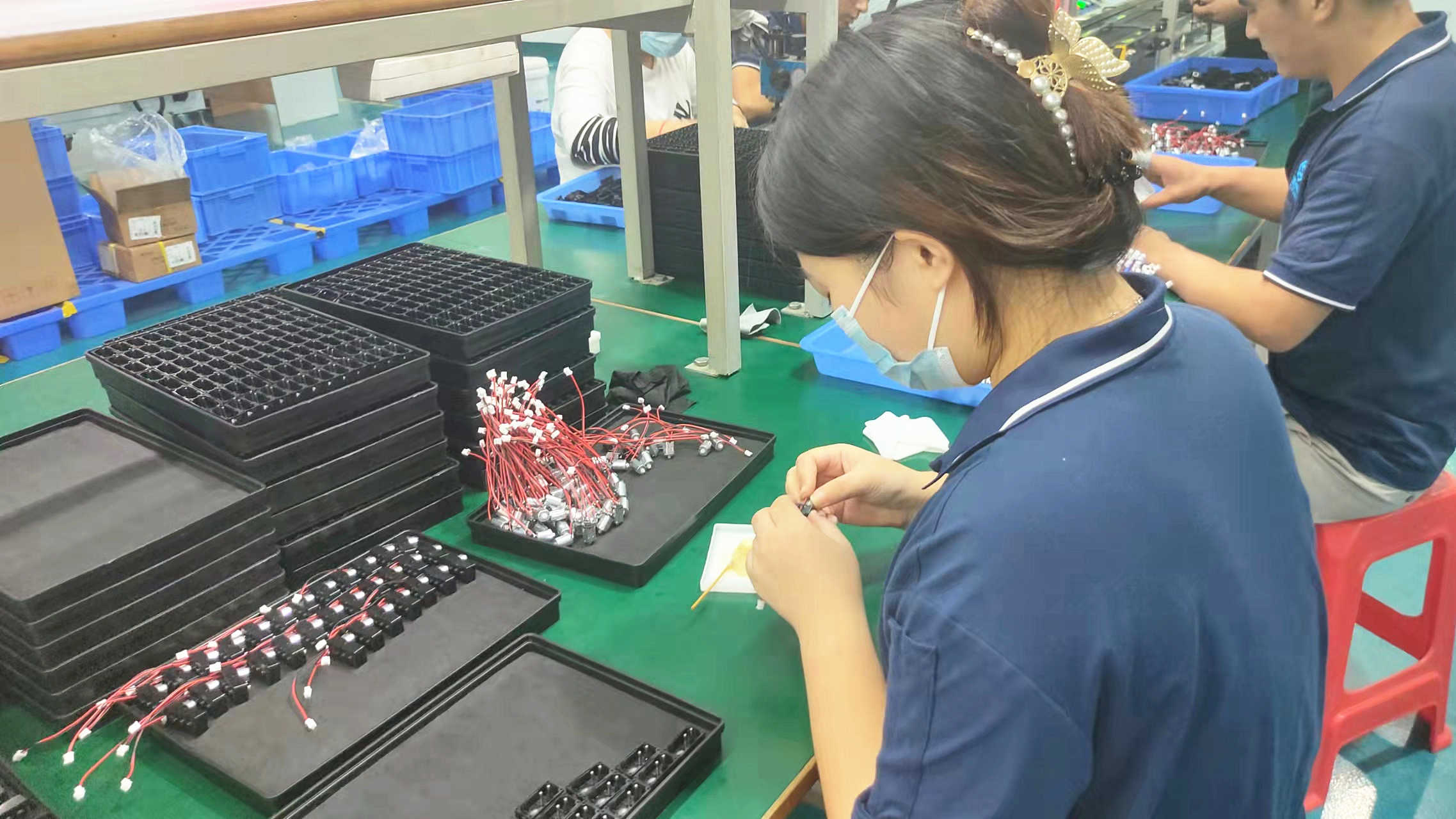
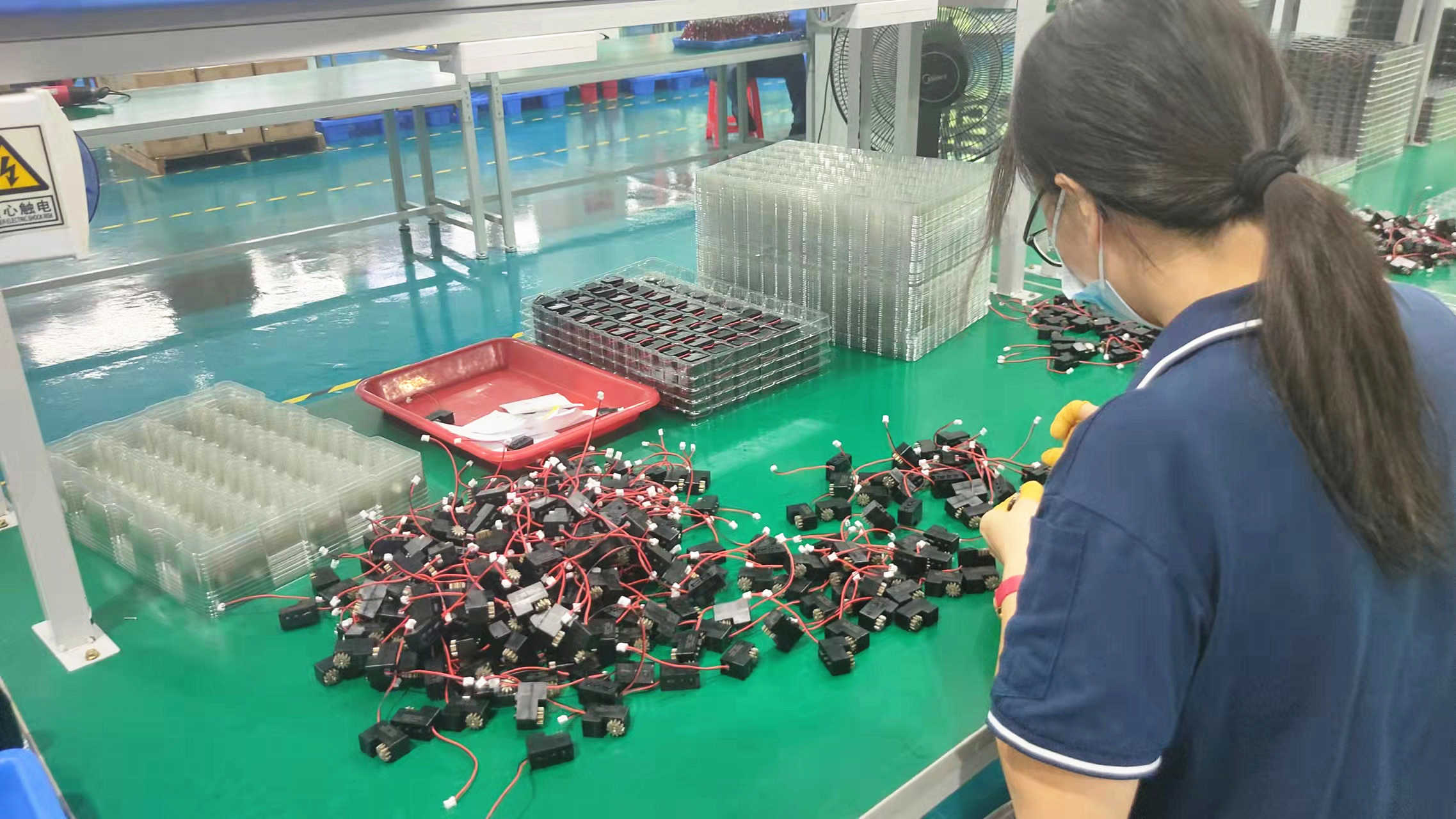
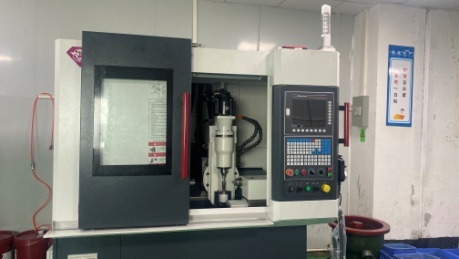
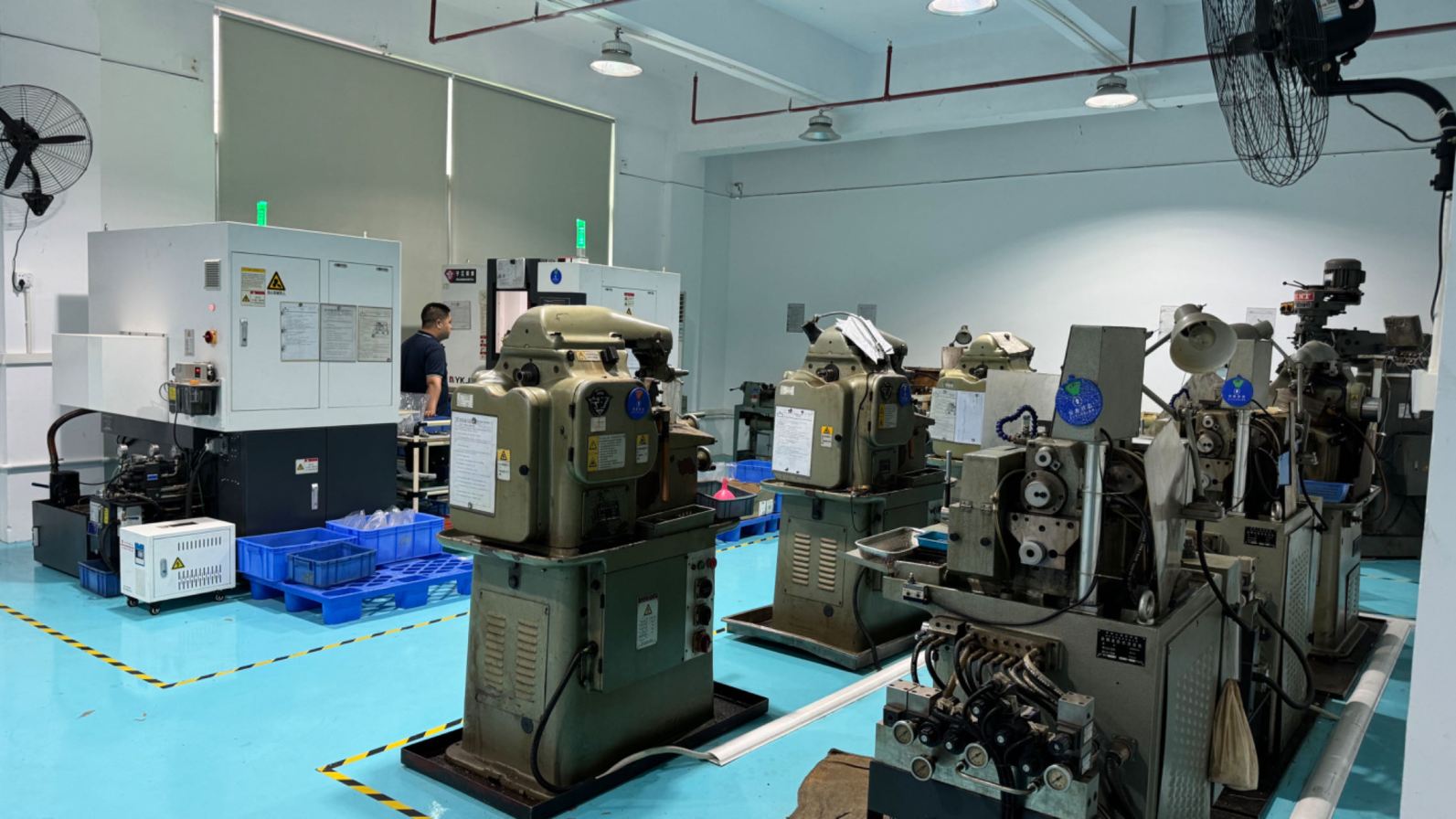
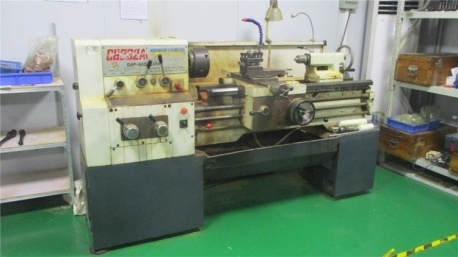
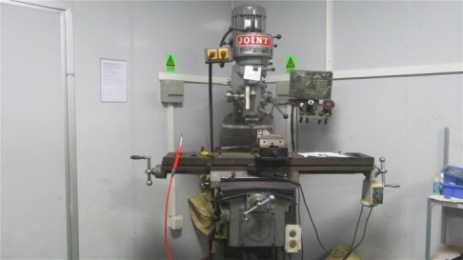
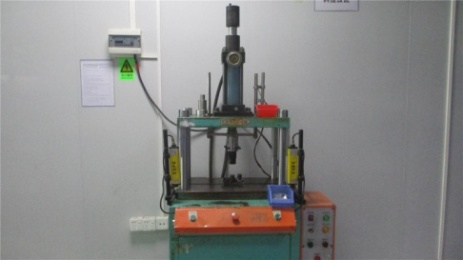
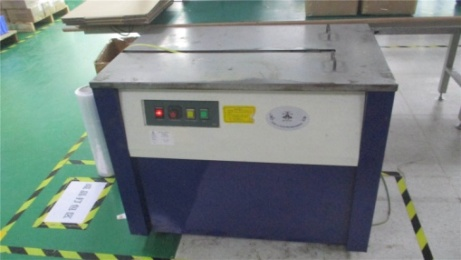
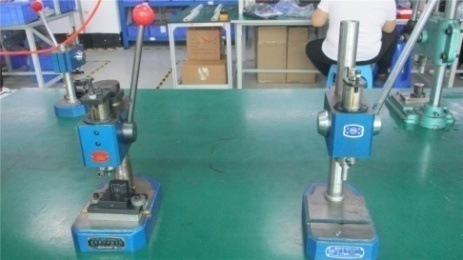
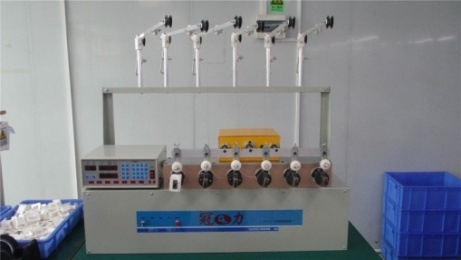
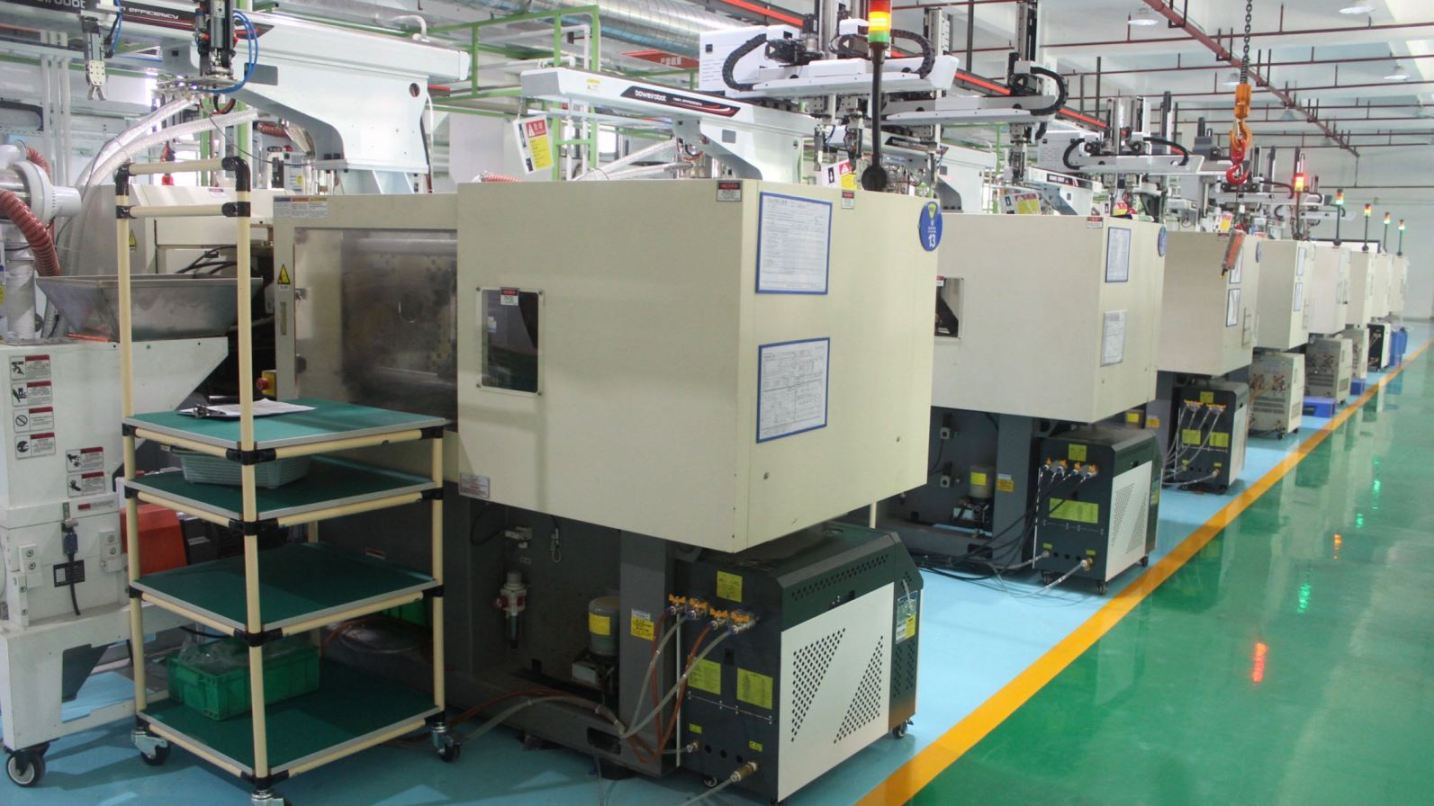
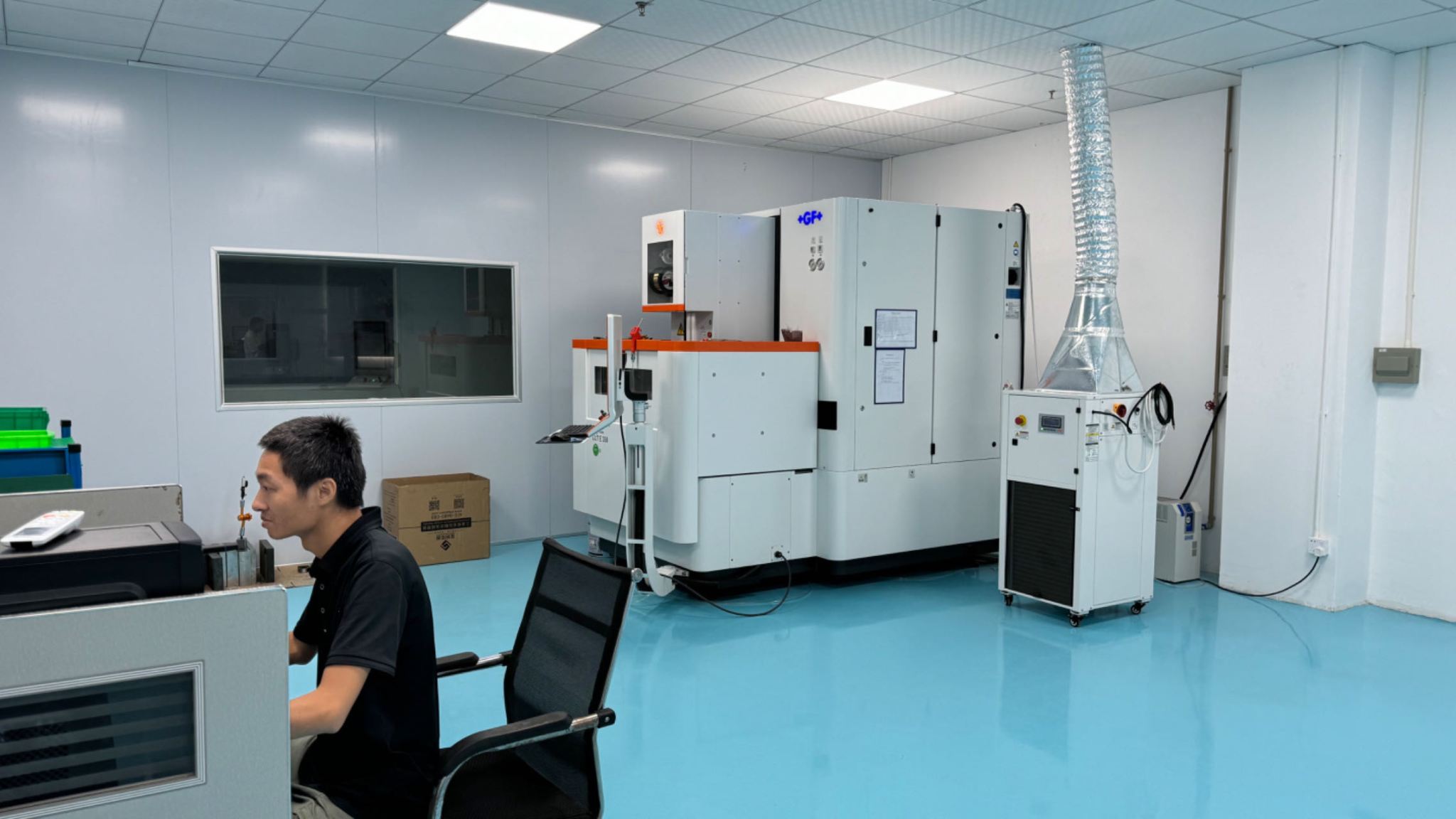
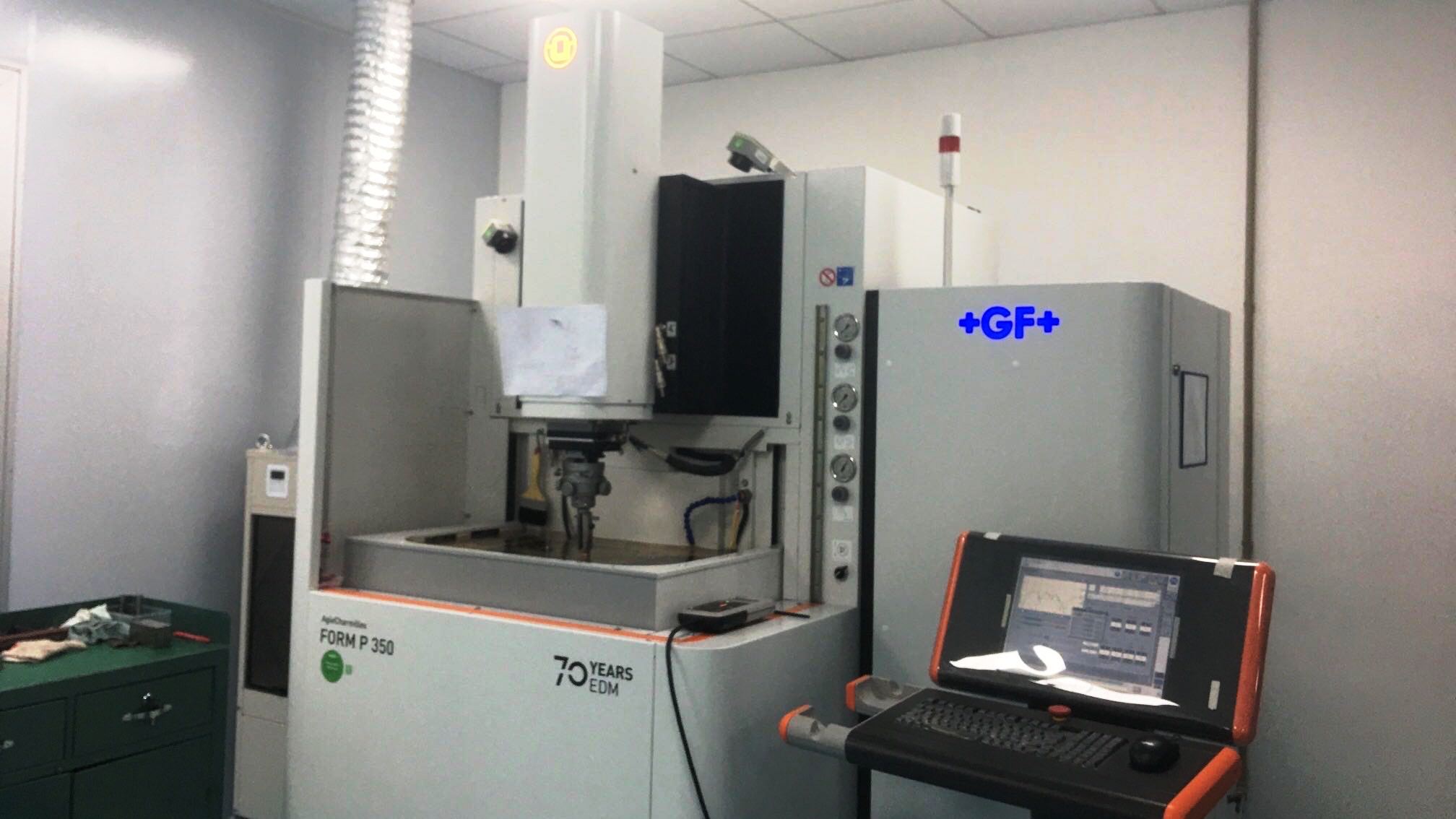
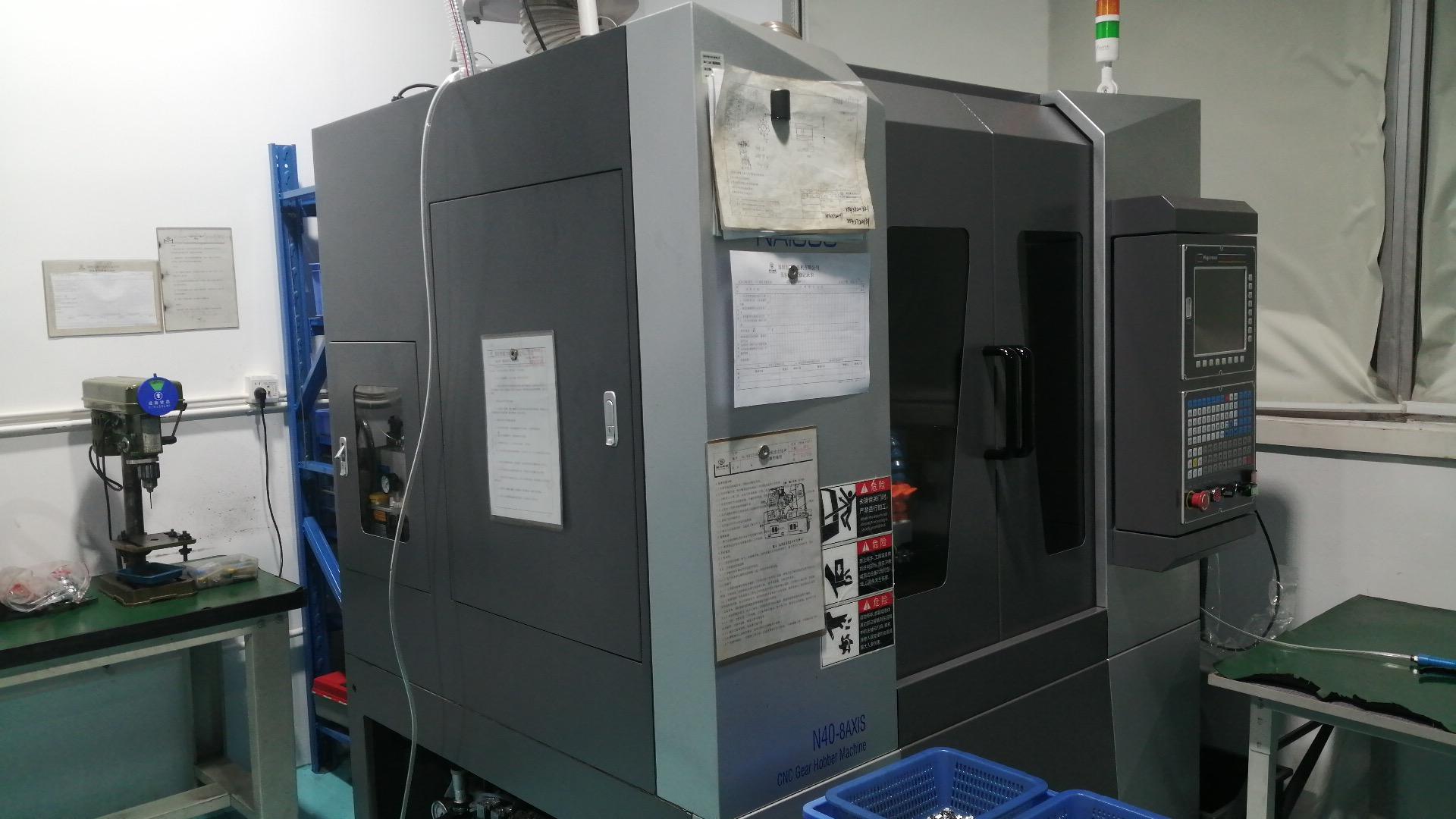
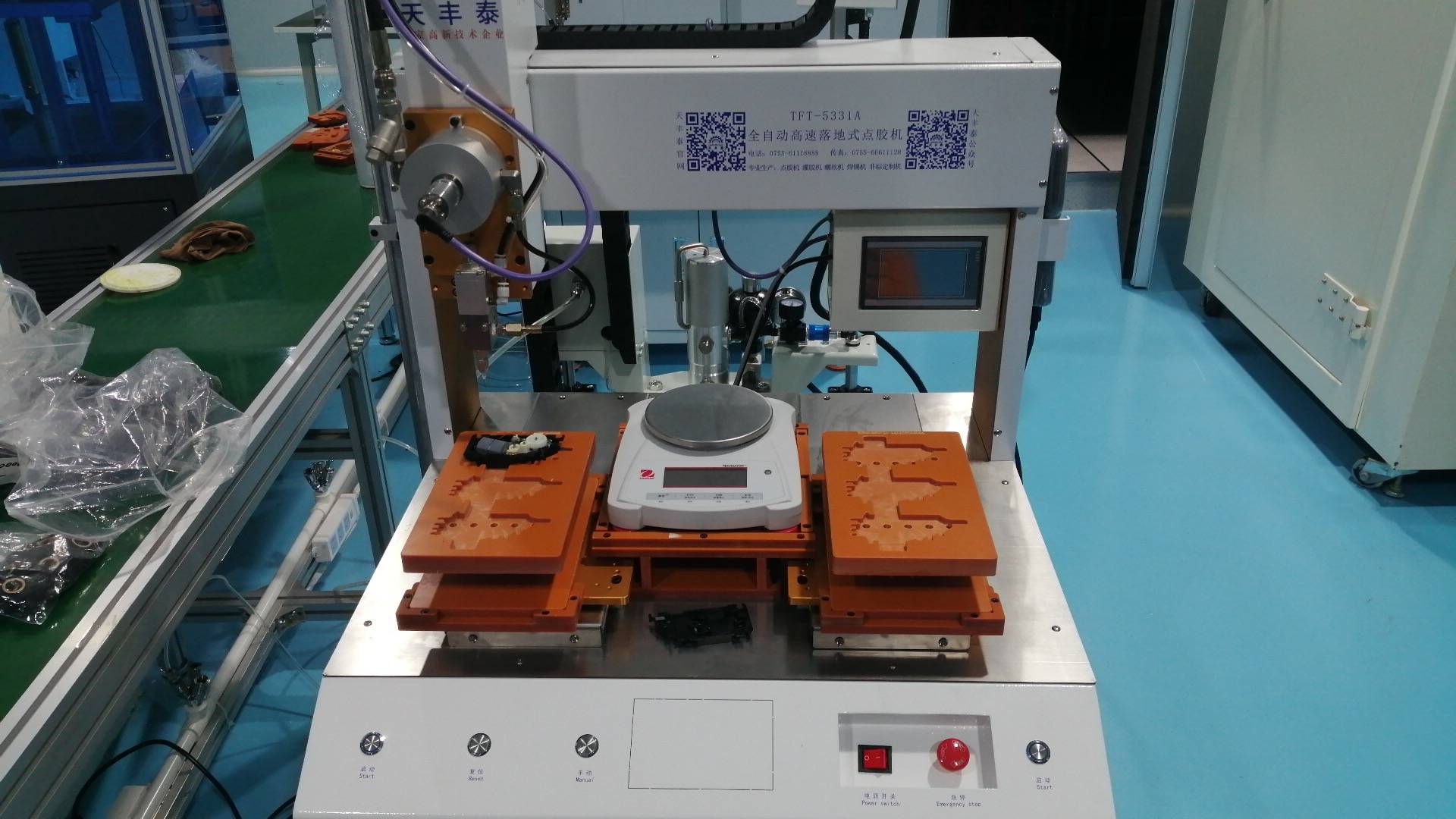
State-of-the-Art Processing Machinery
High performance begins with world-class production assets. Our tooling floor features micro-machining tools designed to hold tolerances of less than 3 microns, ensuring concentricity and dynamic balance of eccentric masses.
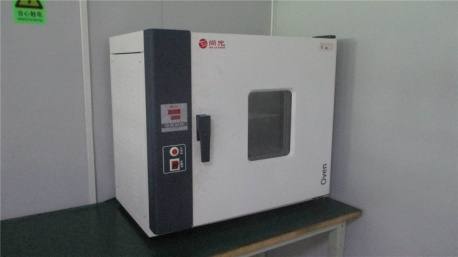
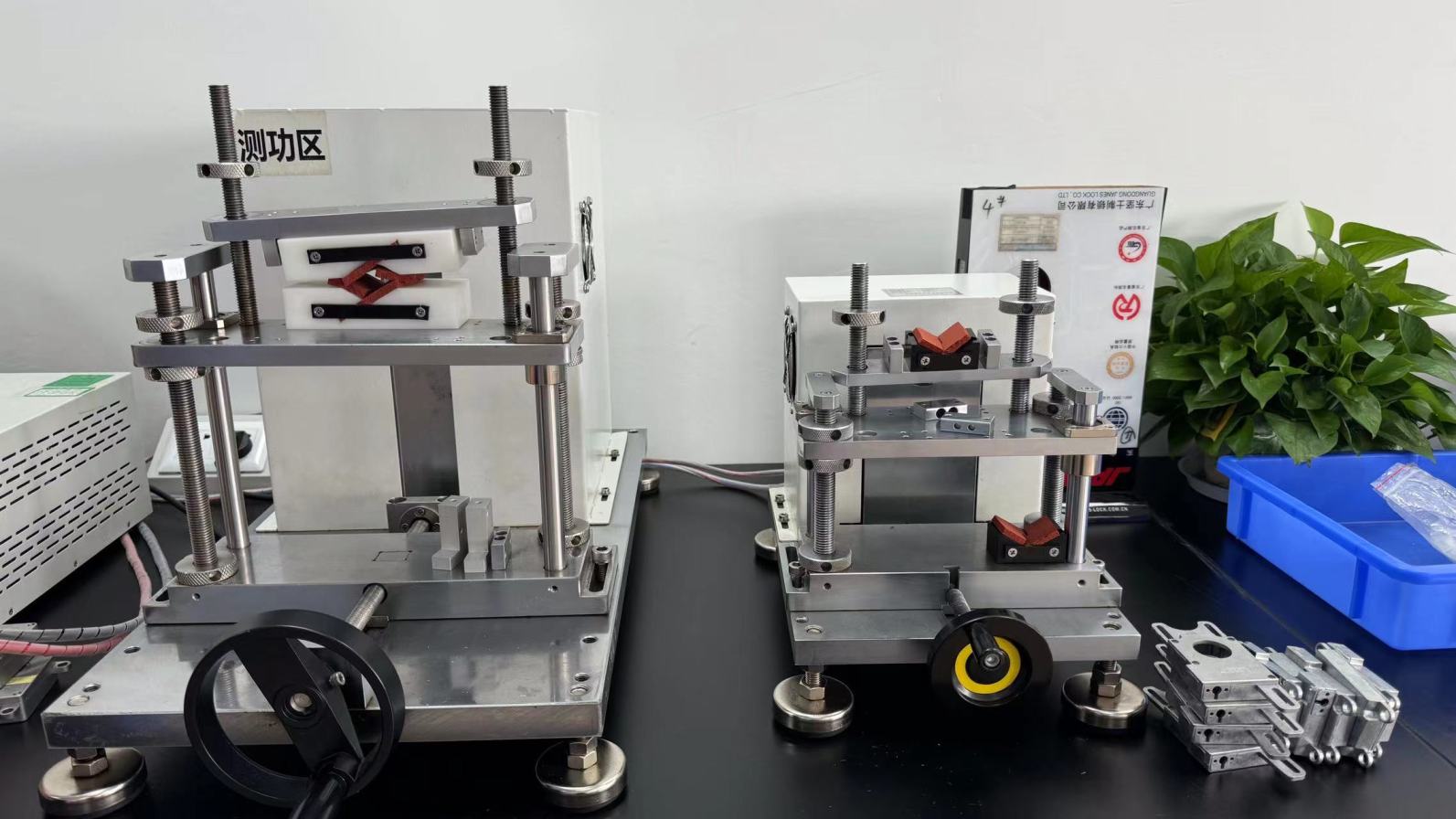
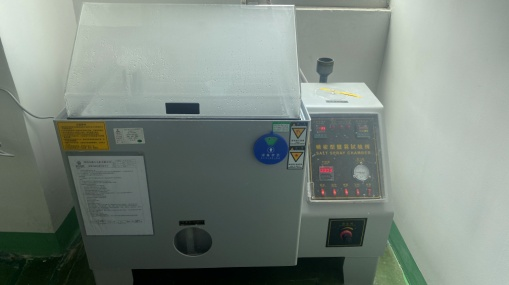
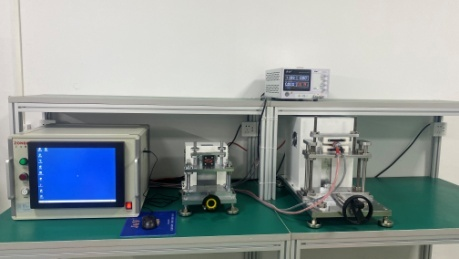
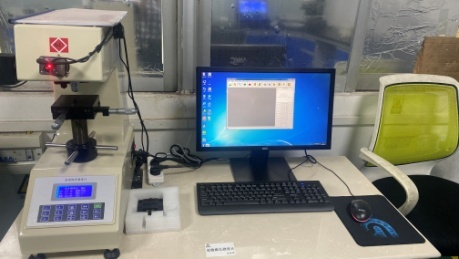
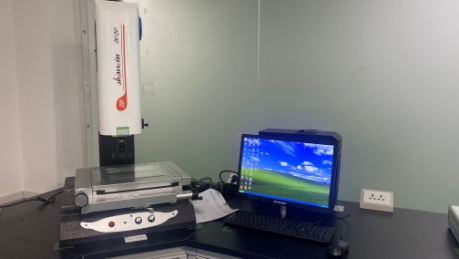
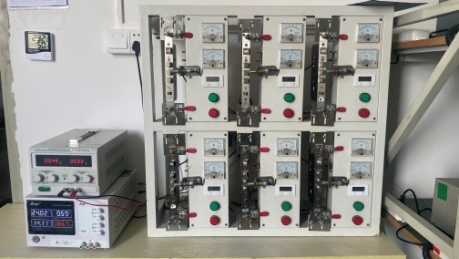
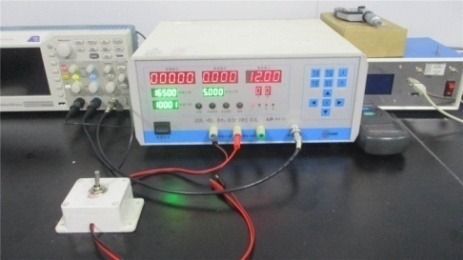
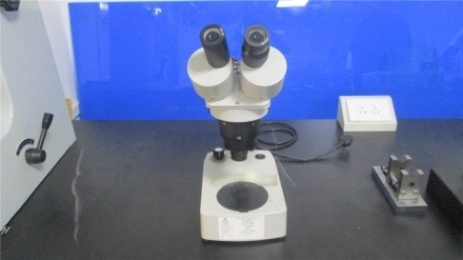
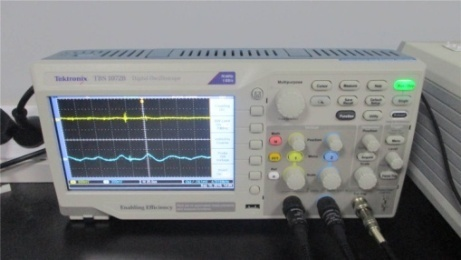
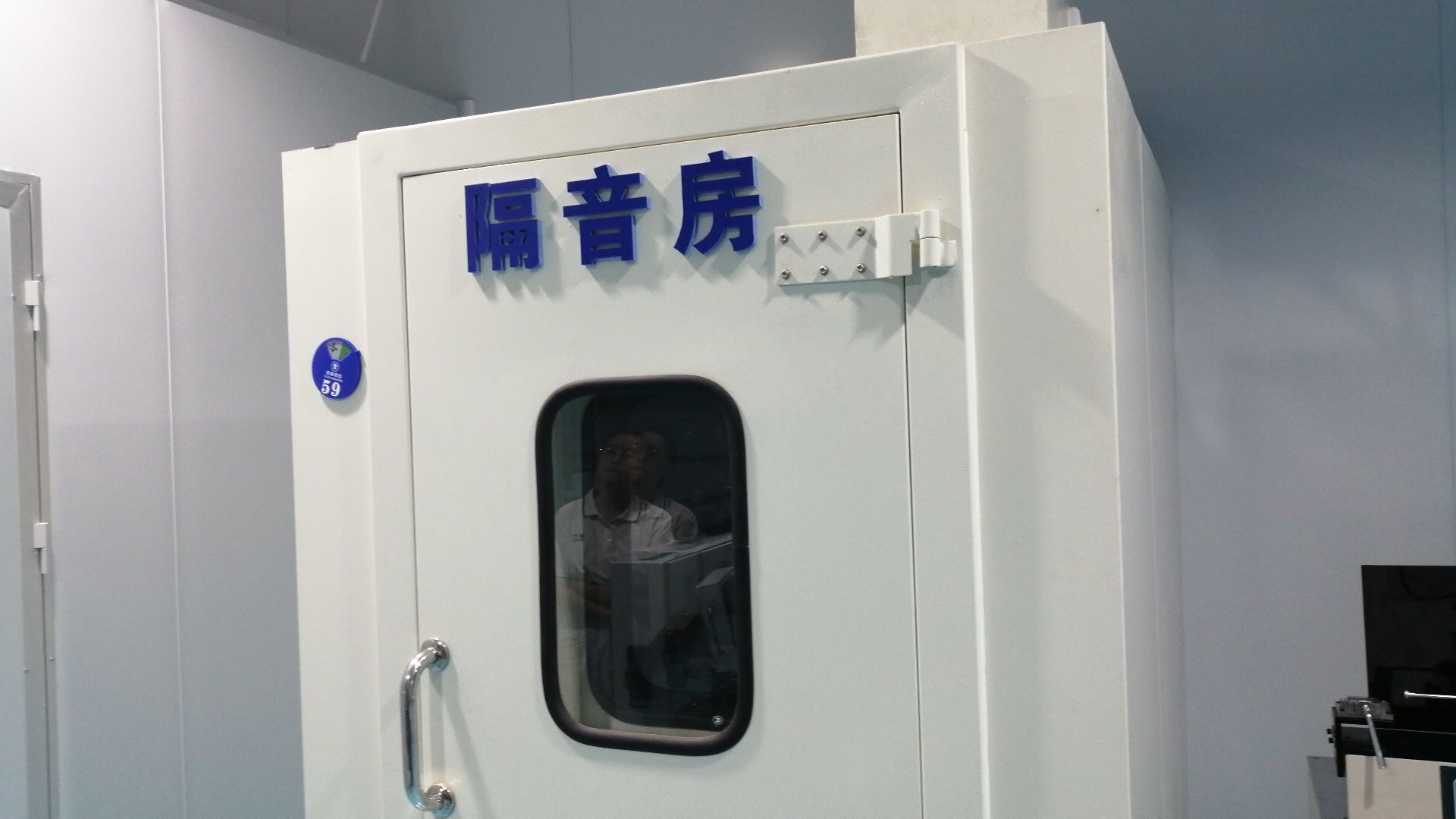
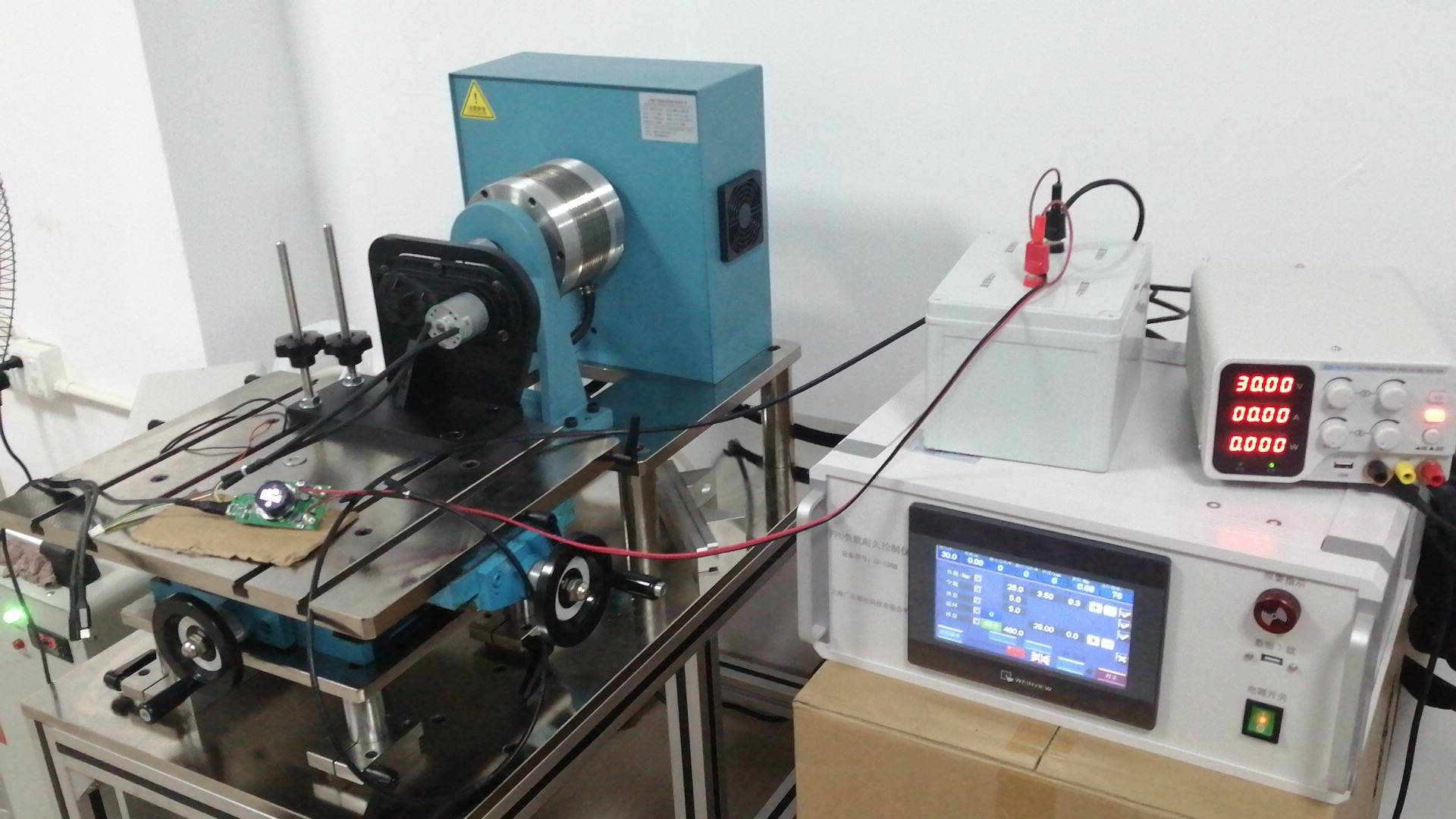
Metrology Lab & Environmental Testing
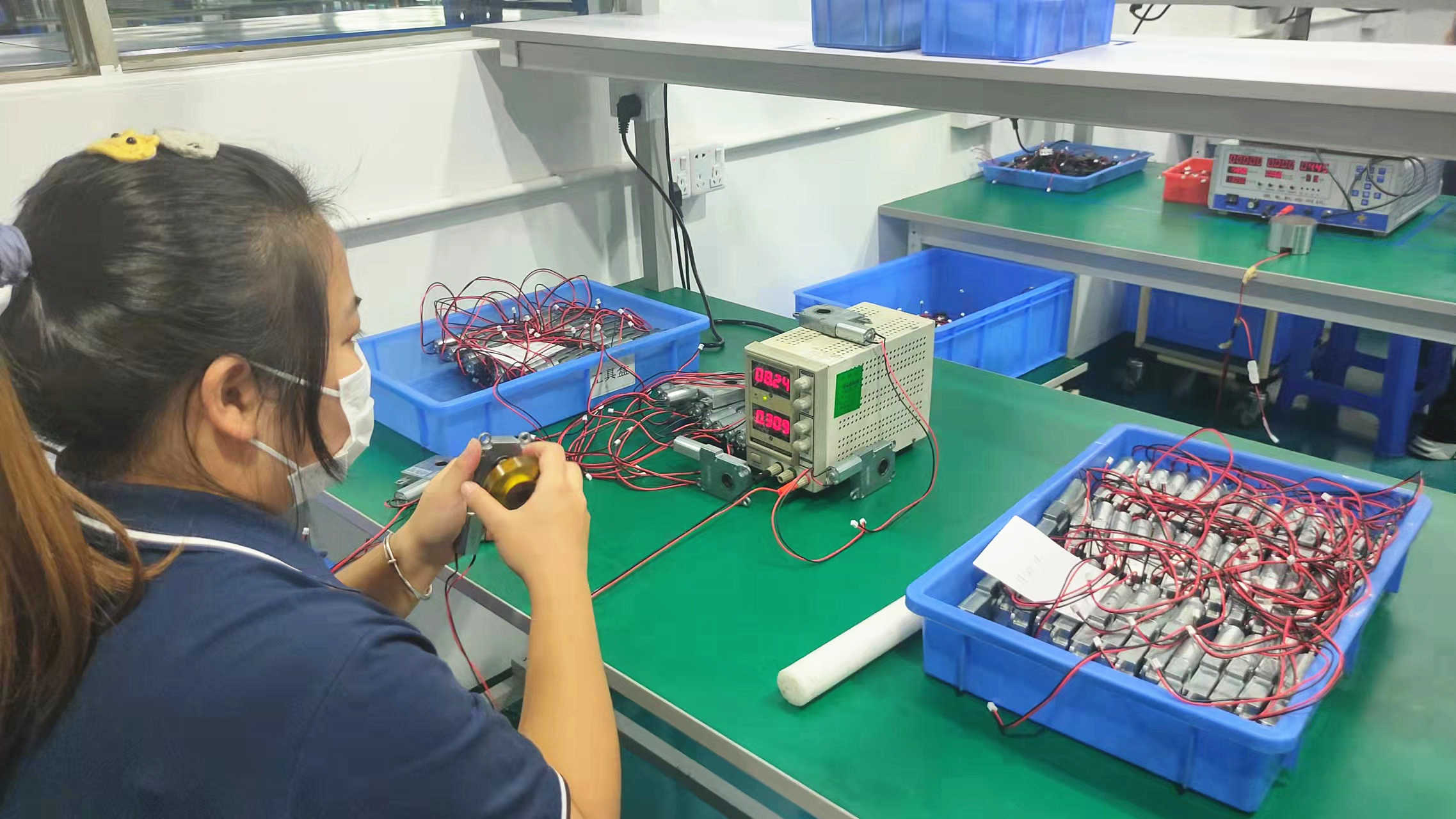
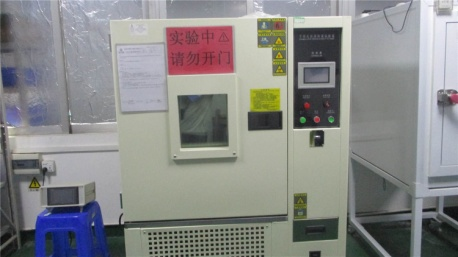
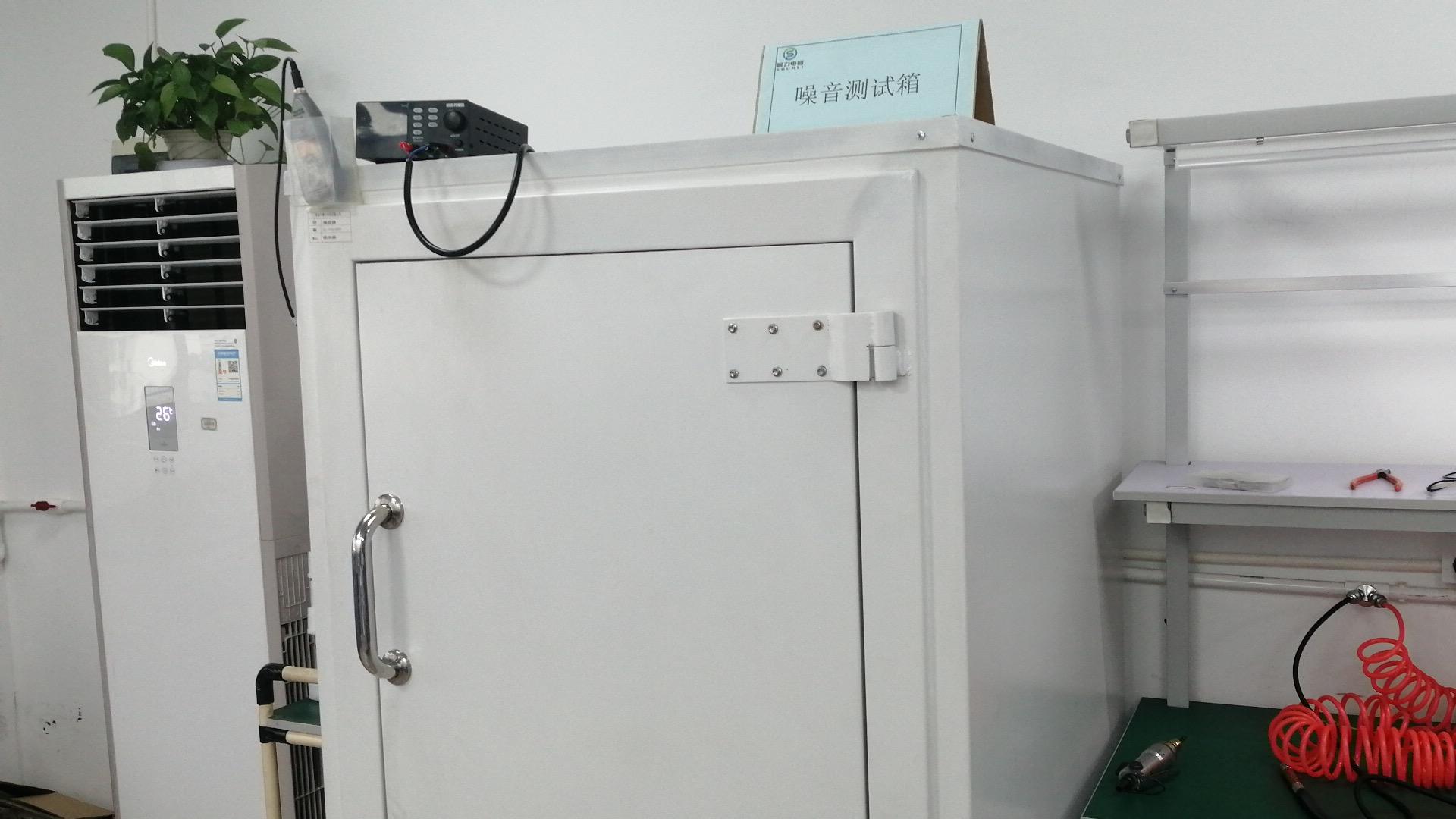
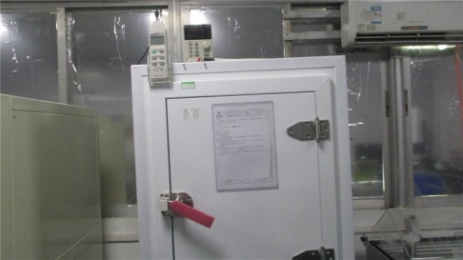
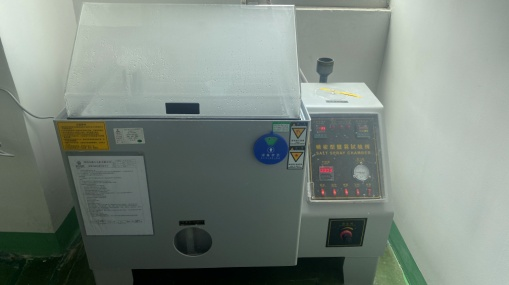
Physical durability and electrical stability require rigorous testing. Our metrology and quality assurance labs evaluate performance margins under extreme climatic, chemical, and physical stresses.
Co-Design & Simulation Workflows
From customized mechanical linkages to special eccentric configurations, our engineering team utilizes finite element analysis (FEA) to simulate torque distributions and structural resonance patterns before cutting steel.
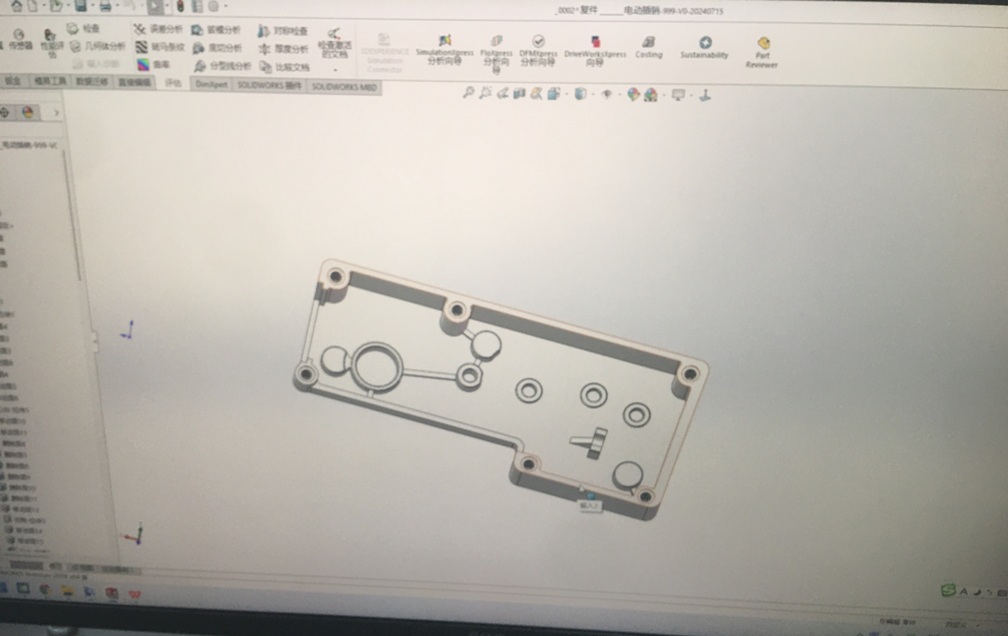
CAD/CAM Structural Simulation
Our CAD engineering department translates customer-specific envelope constraints into optimized 3D rotor geometry, verifying mechanical balance, thermal thermal profiles, and flux pathways.
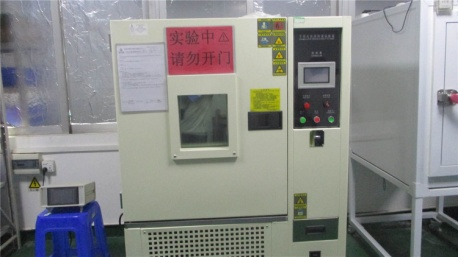
Precision Environmental Verification
Each prototype series undergoes testing inside our environmental simulation laboratory. Our testing equipment measures durability against high moisture levels, low-noise acoustic thresholds, and salt air exposure.
Macro-Industry Solutions & Global Procurement Needs
Medical & Wellness Devices
Micro-drives inside handheld personal therapeutic massagers, targeted muscle stimulators, and advanced beauty apparatus demand high speeds, low noise, and small formats. By implementing specialized high-density bearings and optimized winding parameters, our motors achieve peak efficiency (up to 10,000 RPM) while generating minimal noise.
Smart Home & Consumer Electronics
From smart locks and robotic vacuum alert systems to handheld gaming controllers and mobile phone vibration modules, we supply space-saving ERM actuators. These parts integrate directly with standard haptic driver chips (such as the TI DRV2605 series) to ensure rapid startup times and crisp haptic feedback profiles.
Automotive Haptics & Controls
In-cabin systems increasingly replace analog buttons with tactile touch screens. Our high-torque 12V and 24V vibration motors are engineered to survive wide operating temperature windows (-40°C to +85°C), high humidity, and structural vibration, offering clear haptic cues to drivers.
Global Enterprise Procurement & Customization Capabilities
Global procurement teams face challenges balancing costs with supply chain security and component quality. At Micprec Motor, we address these concerns through a structured design-to-delivery workflow:
- Rapid Customization: We modify output shafts, eccentric mass materials (brass/tungsten alloys), connector types, leads, and bracket profiles to fit your exact assembly specs.
- Consistent Automated Assembly: Standardizing our processes on automated lines reduces human error and limits defect rates to less than 50 PPM.
- Comprehensive Documentation: We provide full traceability, offering environmental test records, material composition charts, RoHS/REACH compliance files, and PPAP reports.
- Logistical Resilience: Working from our production center in southern China, we coordinate global logistics to secure dependable lead times, stable container shipping, and safe customs clearance.
Technical Q&A / FAQ
Below, our technical director answers common design questions related to micro-vibrations, motor lifetimes, and electrical isolation.