Micprec Motor
High Performance Electric Drive Range
High-torque DC, BLDC, and geared motors configured for custom industrial requirements and rapid global distribution.
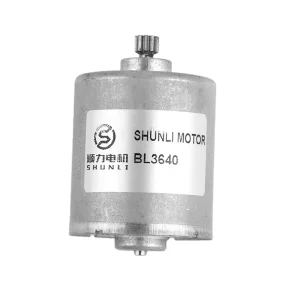
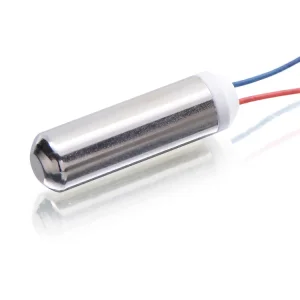
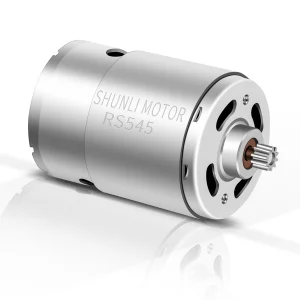
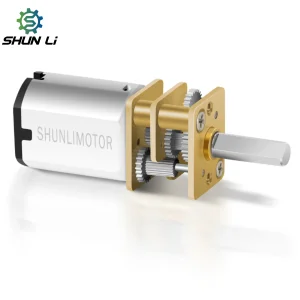
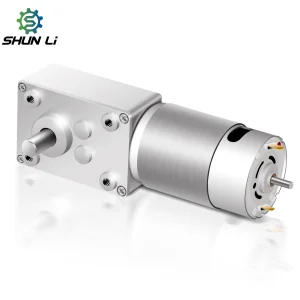
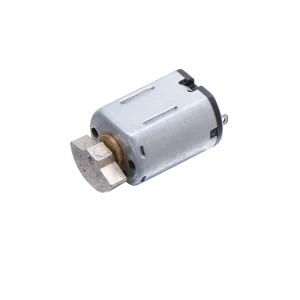
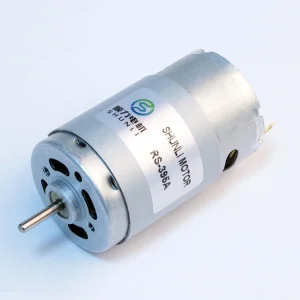
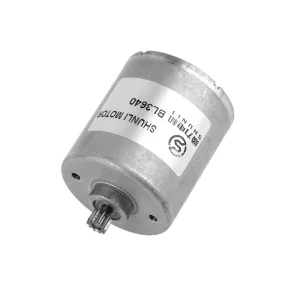
Modern Dynamics of High-Speed Micro Drives
Analysis of technology transitions, material constraints, and regulatory updates altering the micro-motor landscape.
Brushless Transition (BLDC)
The push for reduced wear, high reliability, and lower electromagnetic interference (EMI) is accelerating the shift from brushed motors to brushless technology. Industry systems demand efficiency ratings above 85% in footprints smaller than 40mm, standardizing brushless topologies across high-rpm application environments.
Rare Earth Resource Pressures
Global supply chain exposure to neodymium and dysprosium requires robust materials engineering. Advanced engineering labs concentrate on optimizing magnetic flux pathways, maximizing torque output per gram of active material, and minimizing thermal demagnetization in continuous-run operations.
Regulatory and Eco-Compliance
Stringent eco-design rules require manufacturers to confirm raw material lineage. Global markets require systematic adherence to CE, RoHS, and REACH standards. We integrate non-hazardous surface treatments and halogen-free compounds directly into the component assembly stage.
Global Procurement Requirements
Procuring micro DC and high-speed brushless motors requires assessing structural parameters beyond unit price. Technical buyers prioritize partners capable of managing dynamic load profiling, verifying long-term thermal dissipation rates, and providing detailed test datasets.
Key procurement requirements include:
- Continuous Torque vs. Envelope Limits: Finding the absolute limits of mechanical power density inside small enclosures.
- Acoustic Profiling: Sourcing motors with minimum vibration signatures for medical, beauty, and consumer devices.
- System Integration: Adapting motor shafts, mounting flanges, and electronic controllers to match existing drive architectures.
By establishing clear co-development protocols, Micprec Motor translates these engineering demands into reliable, high-volume production deliverables.
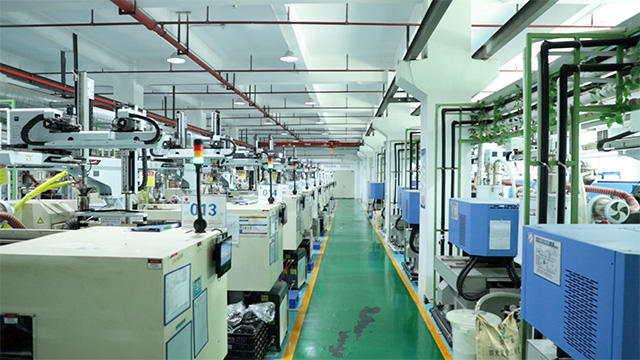
China Factory 4.0: Supply Chain Resilience & Efficiency
How vertically integrated automated systems protect customers from delivery bottlenecks and guarantee micro-drive consistency.
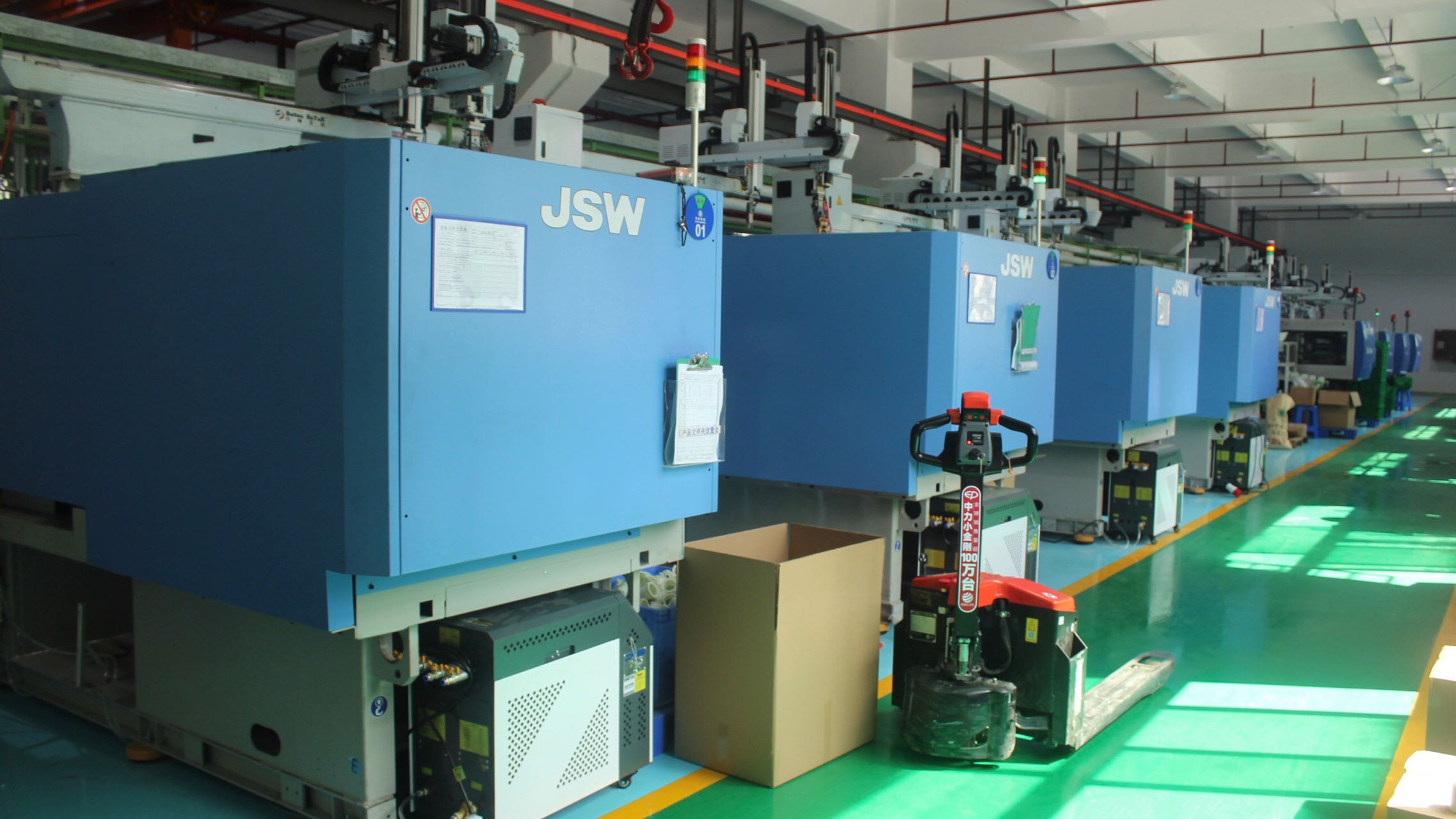
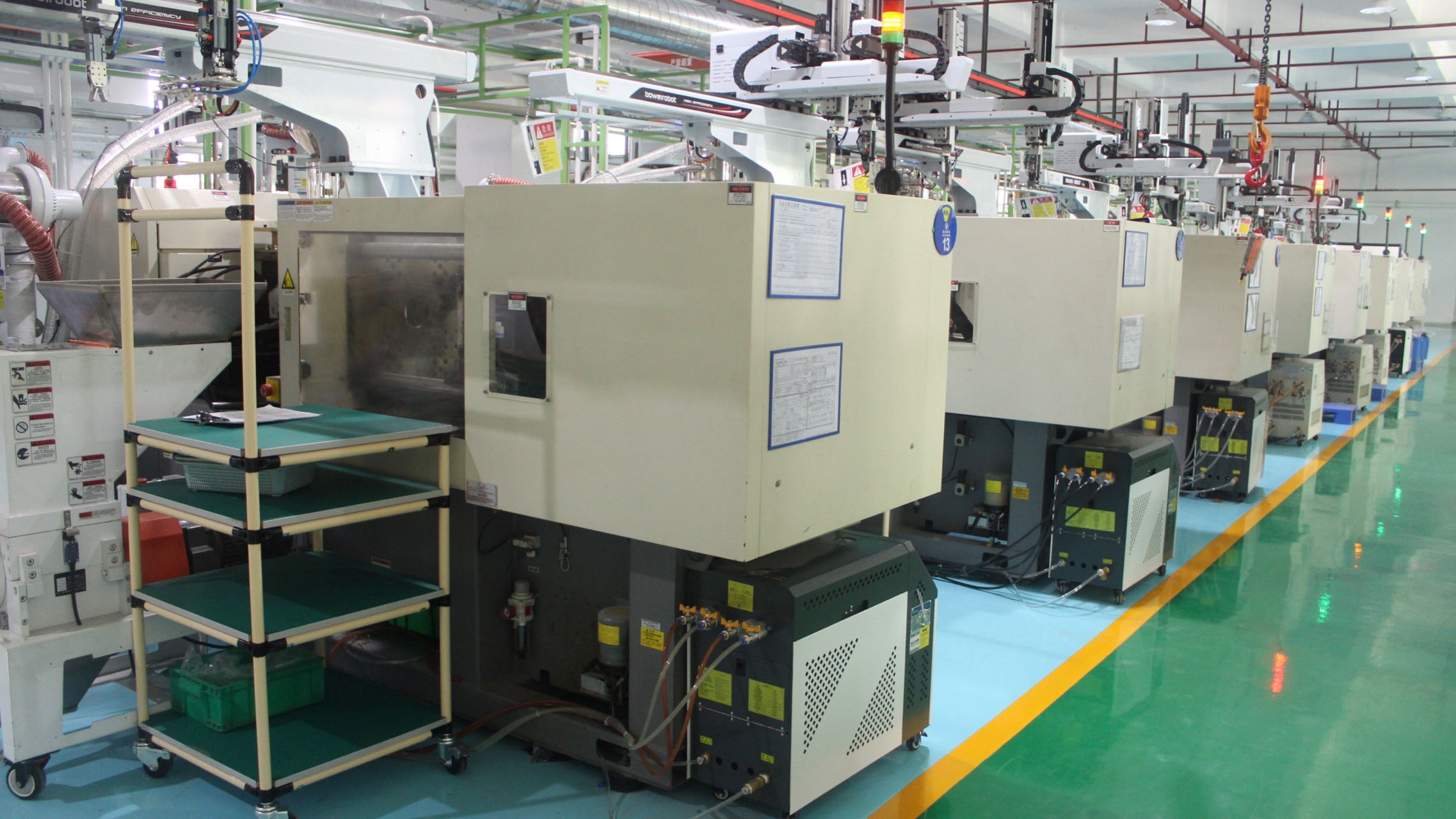
High-volume manufacturing of micro-drive components requires strict control over raw materials and structural tolerances. In Shenzhen, Micprec Motor utilizes automated machinery to minimize manual handling variations while accelerating production throughput.
Our Factory 4.0 structure provides:
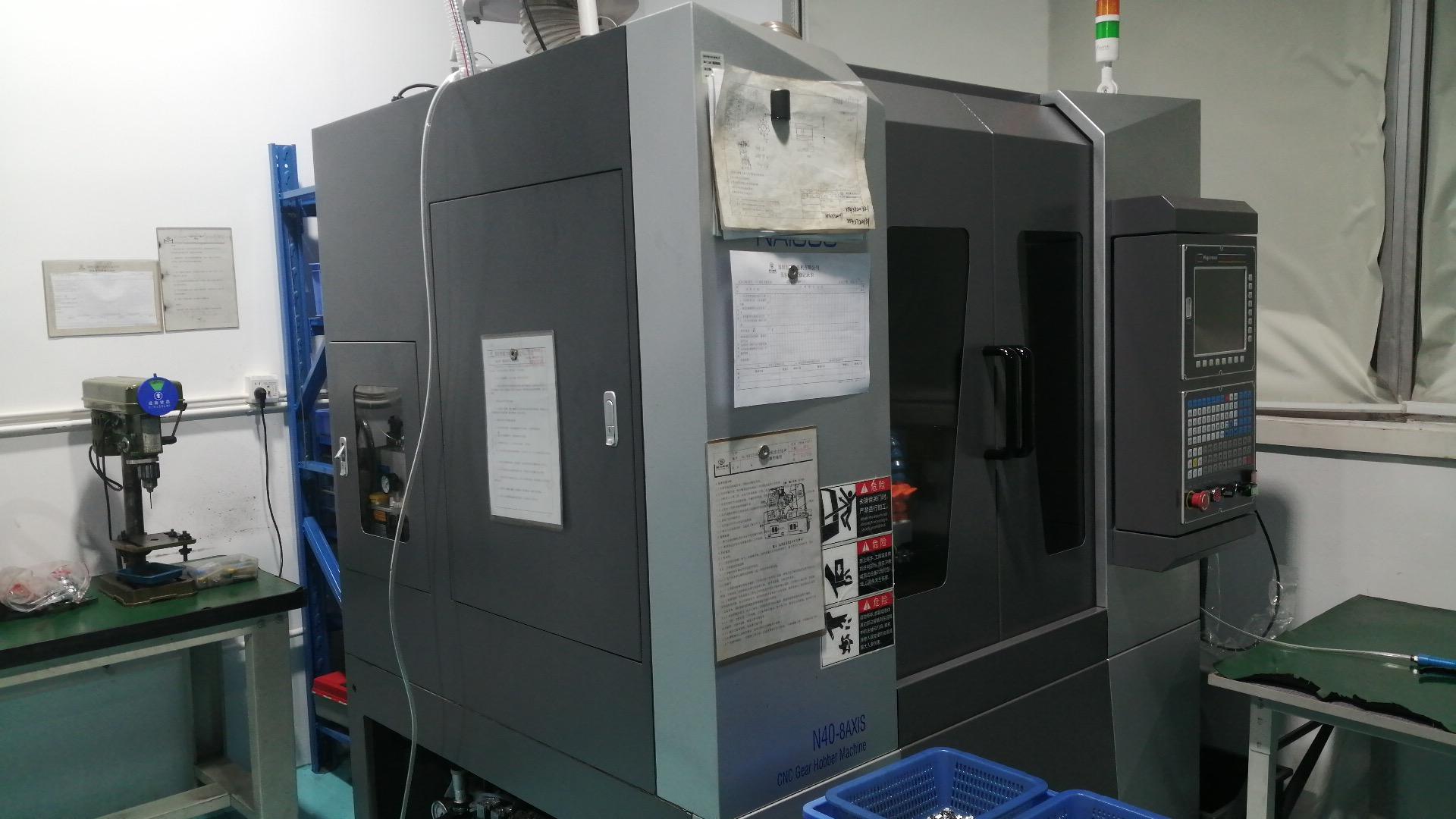
- In-House Sub-Assembly: Gearbox design, high-precision gear hobbing, and winding are managed internally to protect intellectual design files.
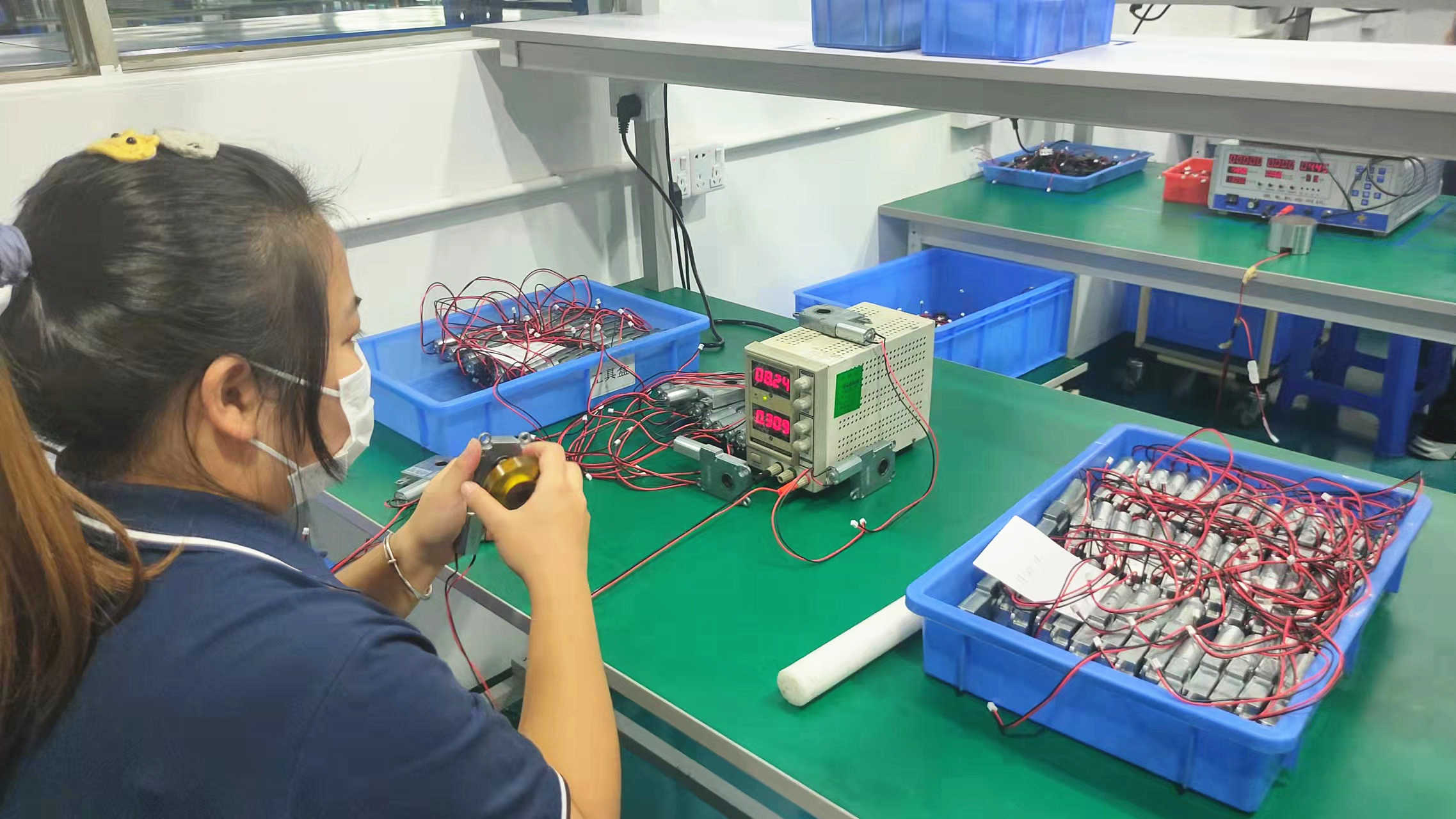
- Statistical Process Control (SPC): Automatic testing stations check mechanical and electrical parameters at key process steps.
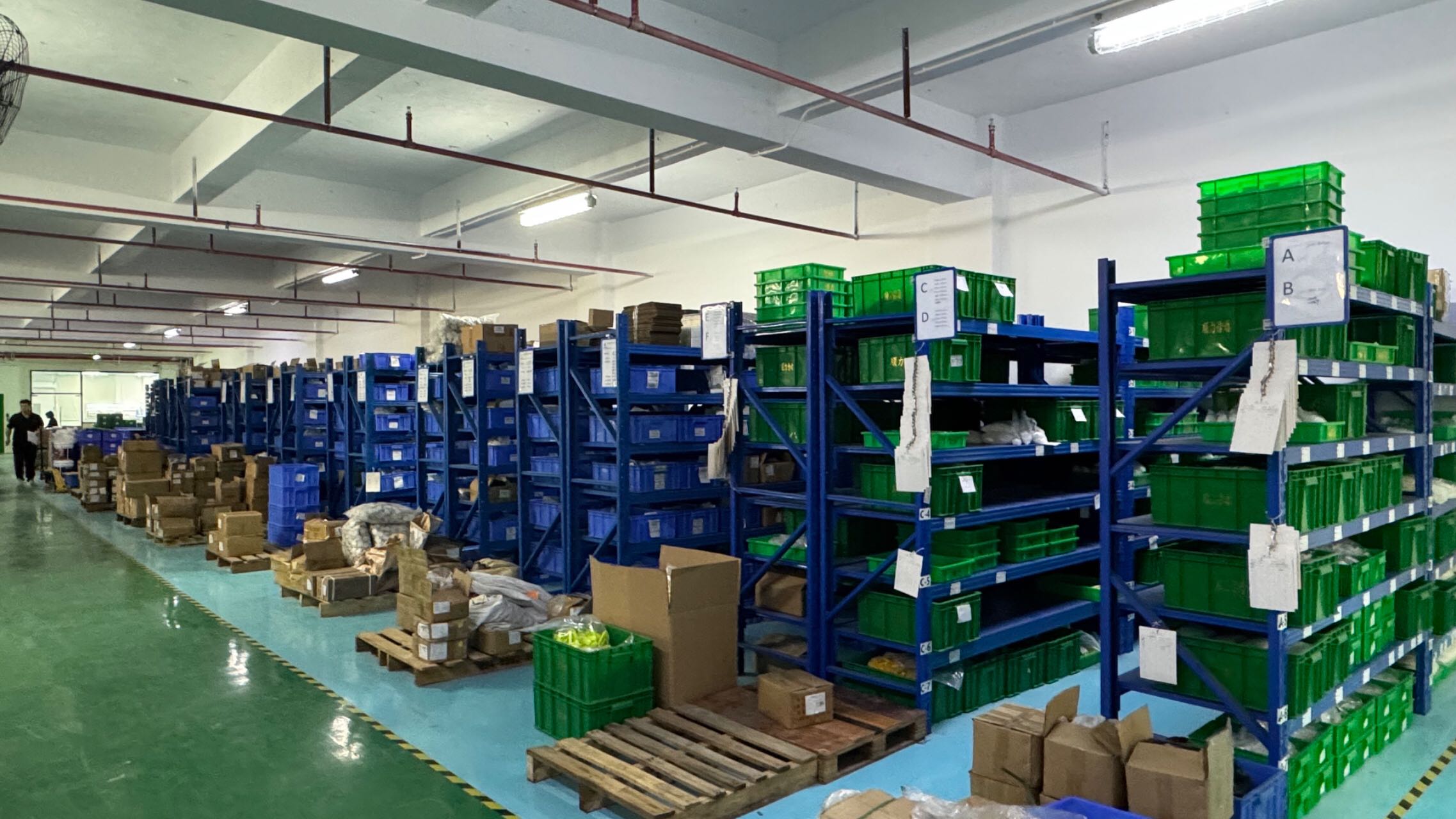
- Traceable Logistics: Every shipping lot is linked to specific raw material certificates, ensuring fast tracking and total supply chain clarity.
This organized ecosystem reduces lead times, improves yields, and helps international buyers lower their total cost of ownership (TCO).

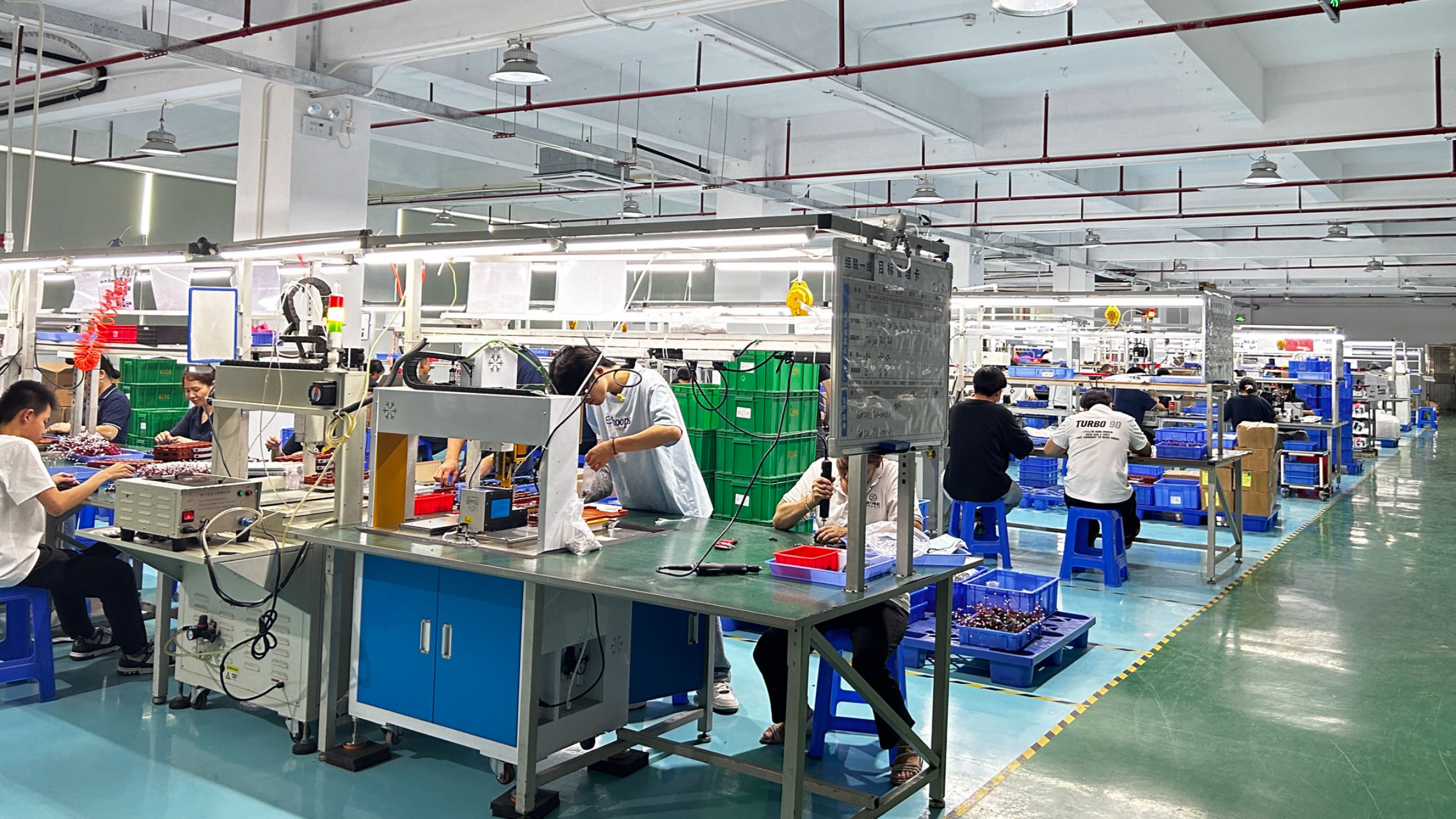
Traceable Assembly and Process Engineering
Six fundamental production phases defining Micprec Motor’s quality standards.
 1. Raw Material QC
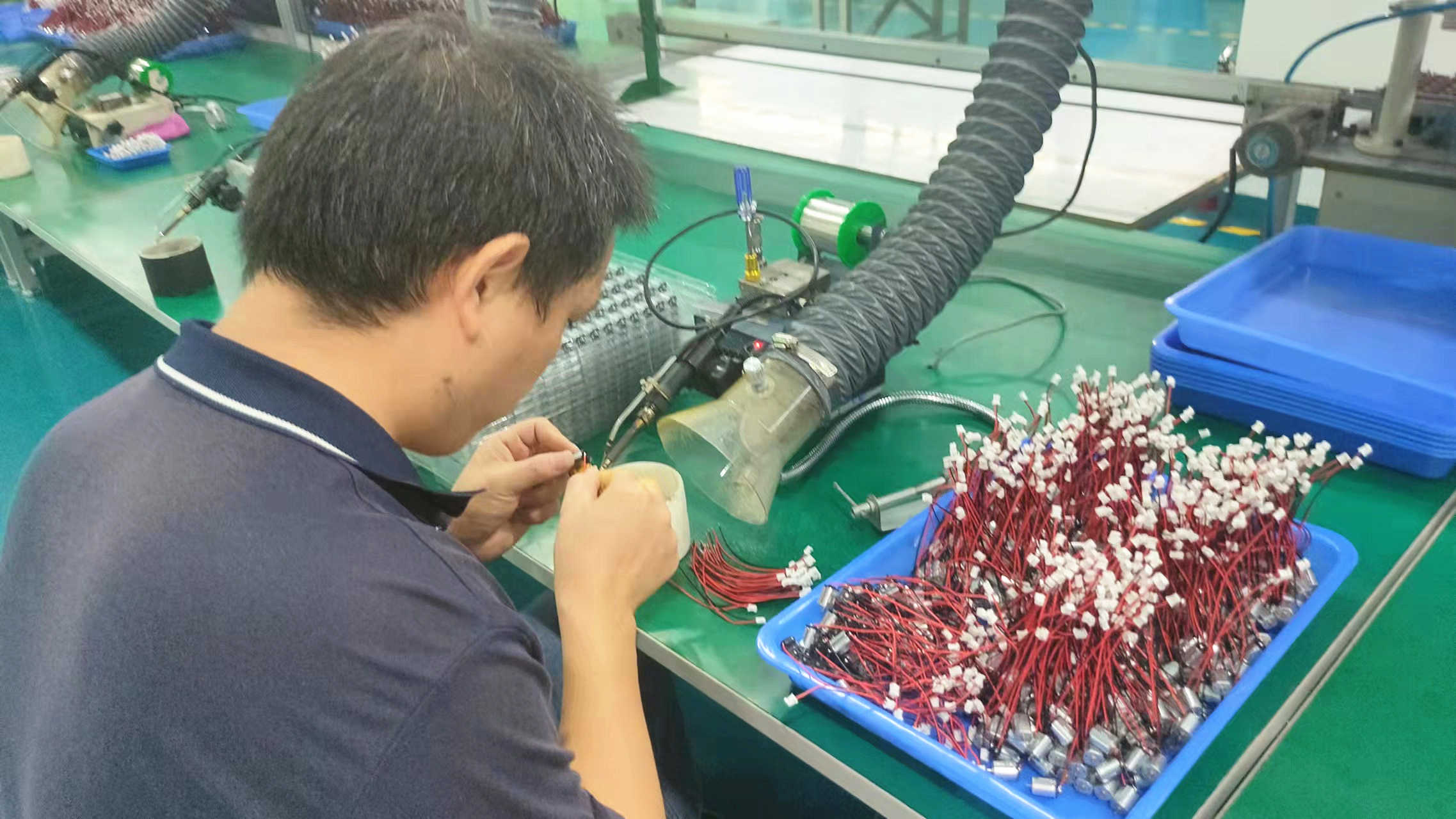 2. Soldering Phase
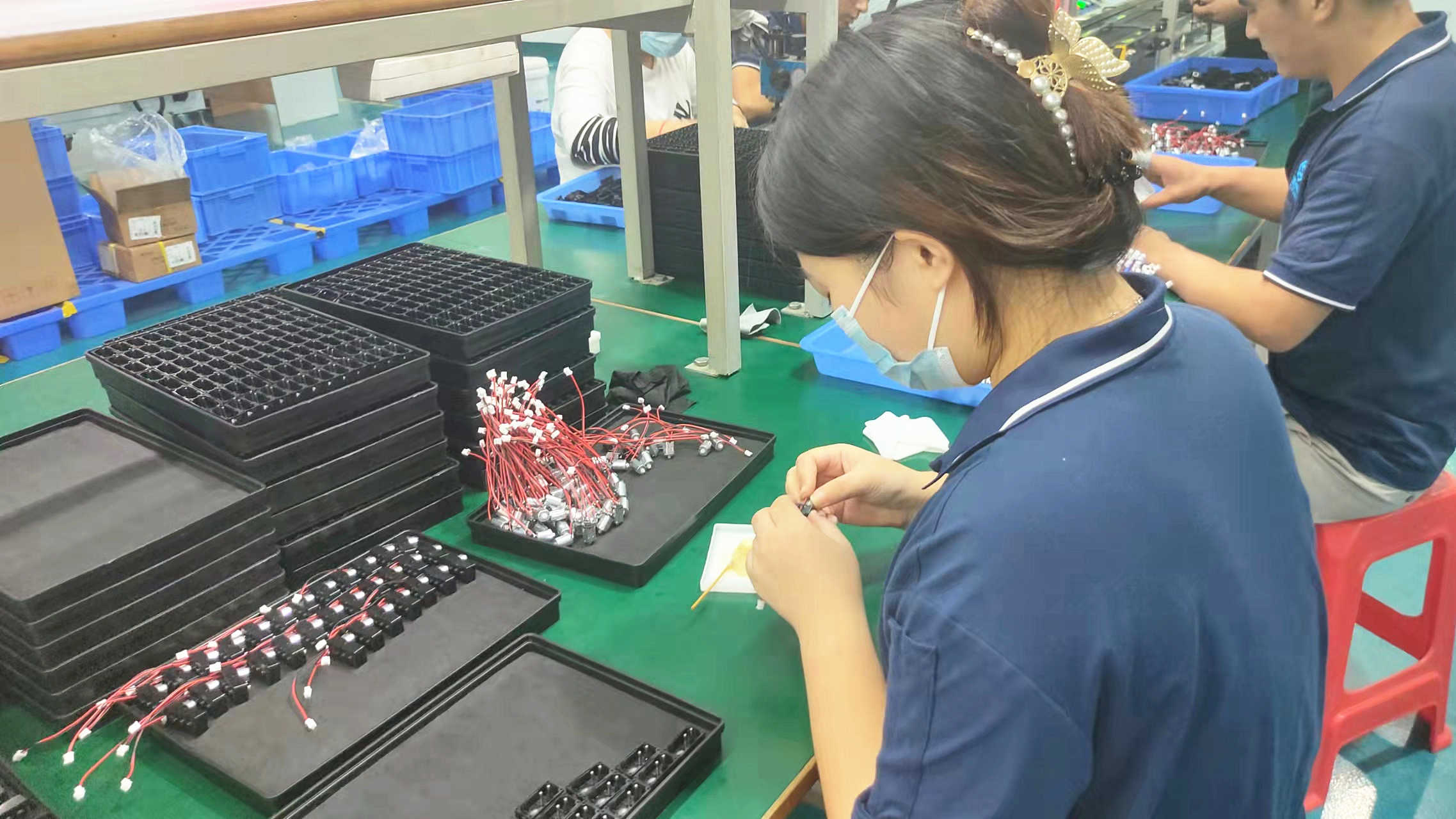 3. Assembling Line
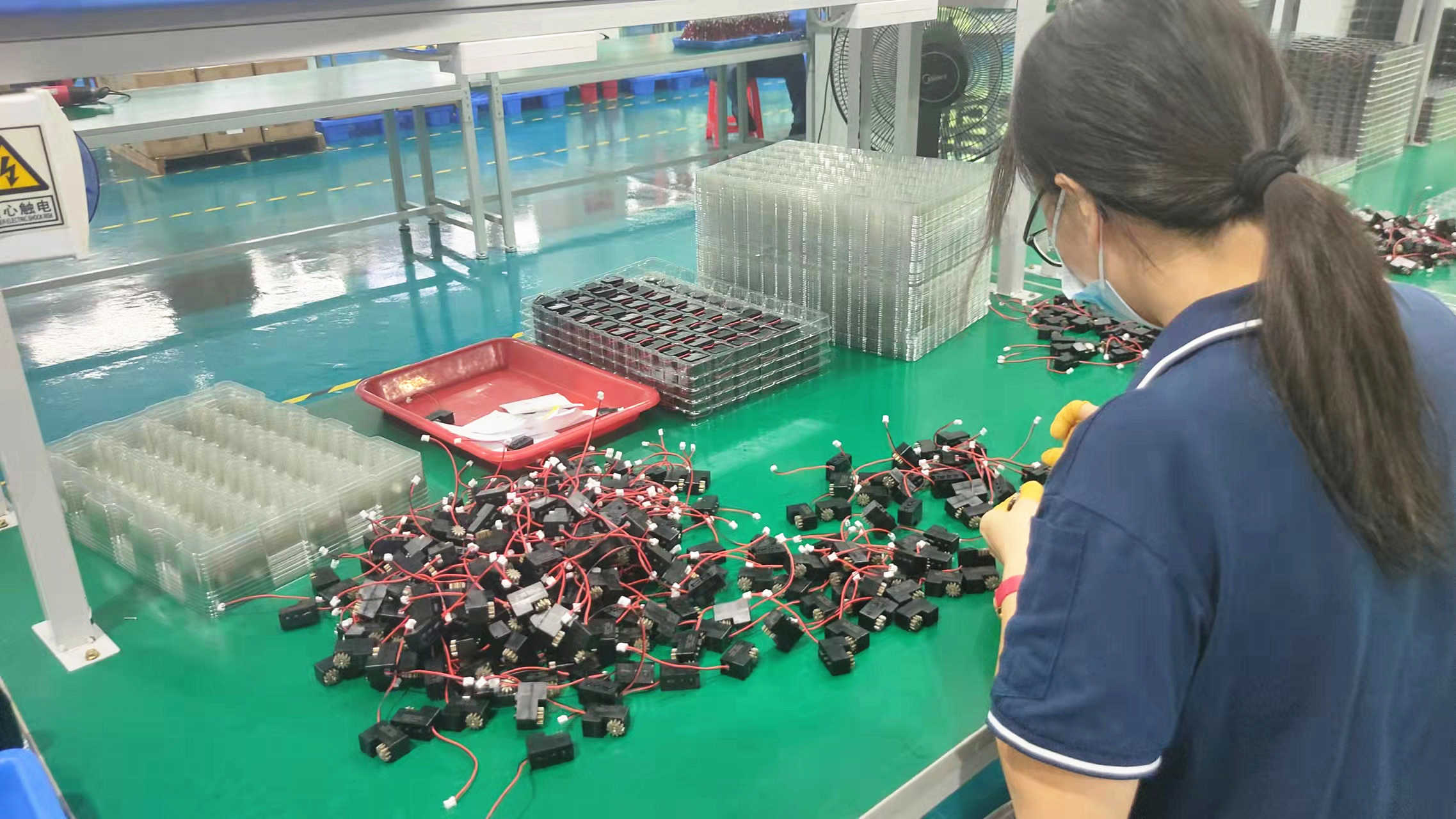 4. Testing Verification
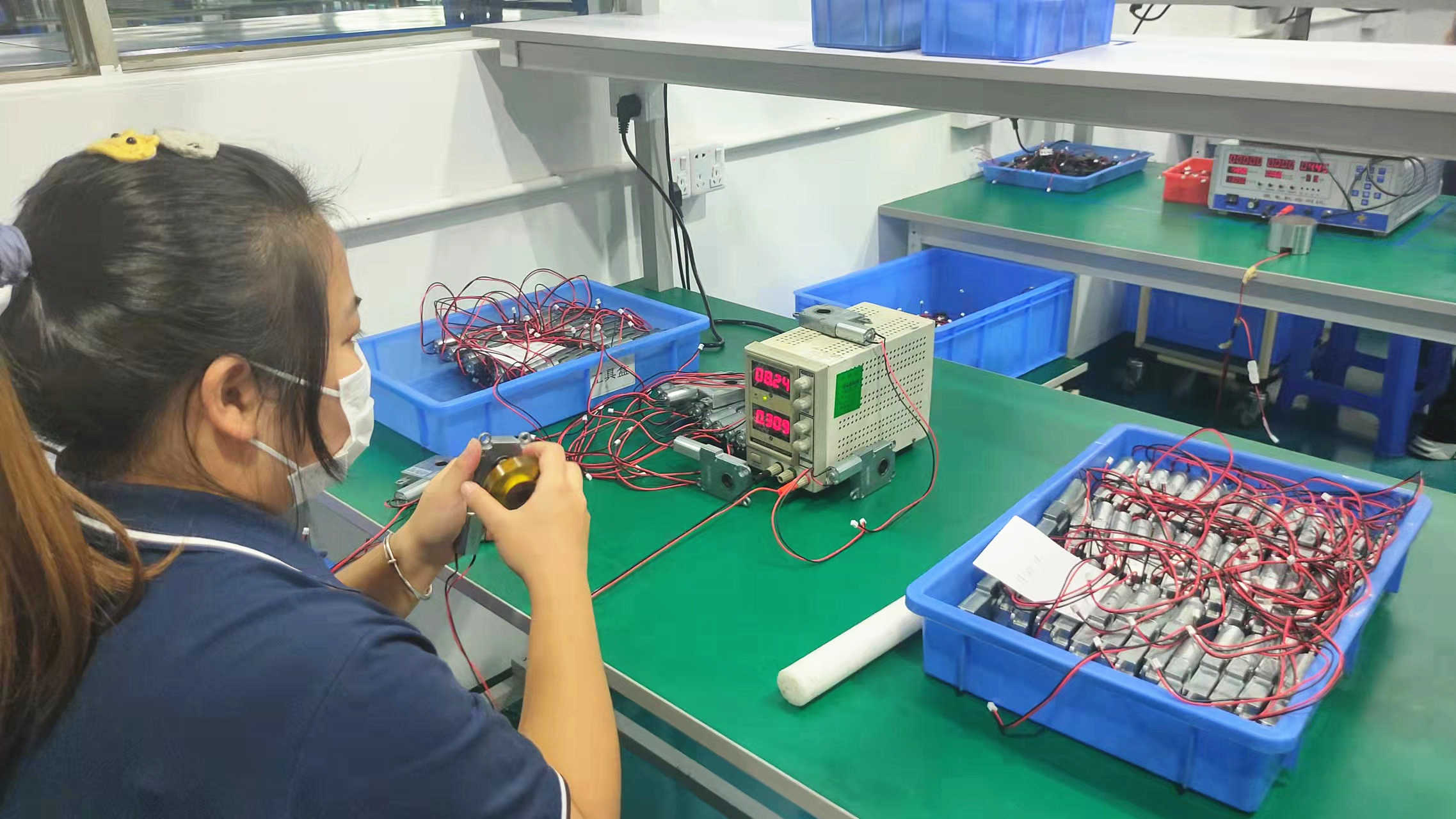 5. Packing & Labeling
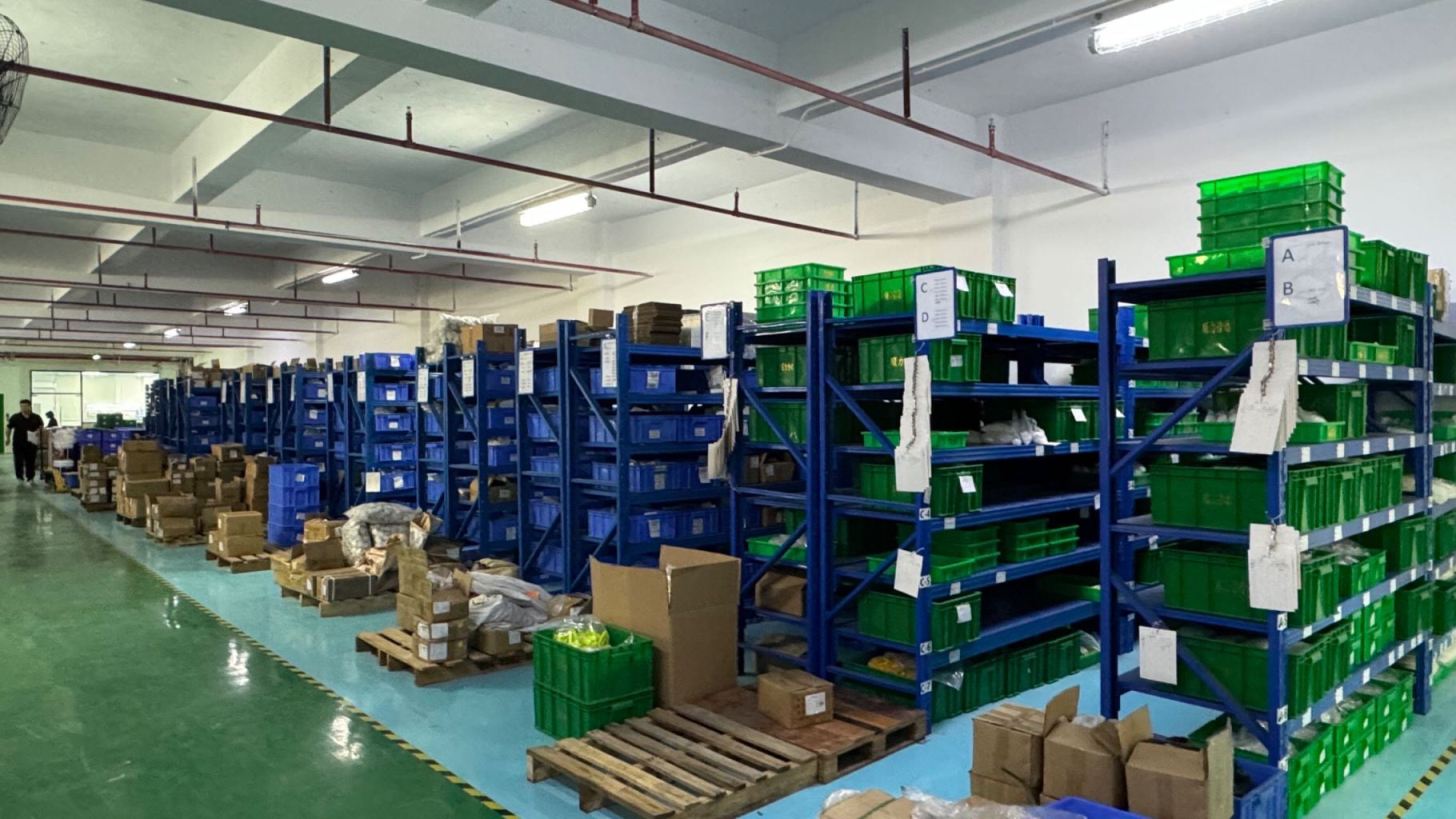 6. Storage & Shipping
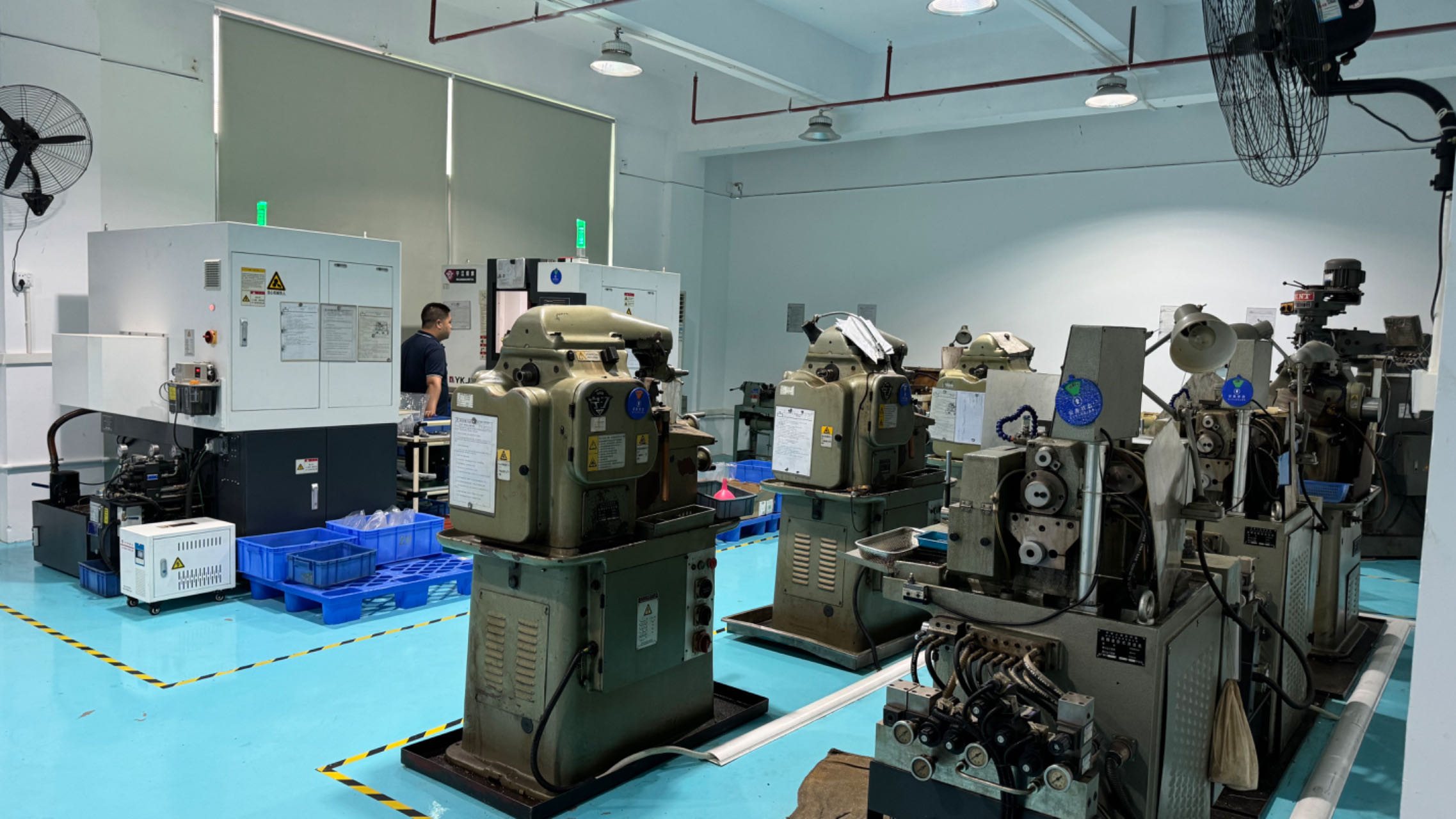
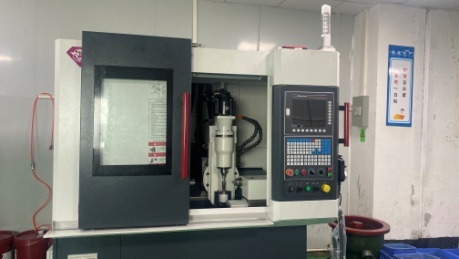
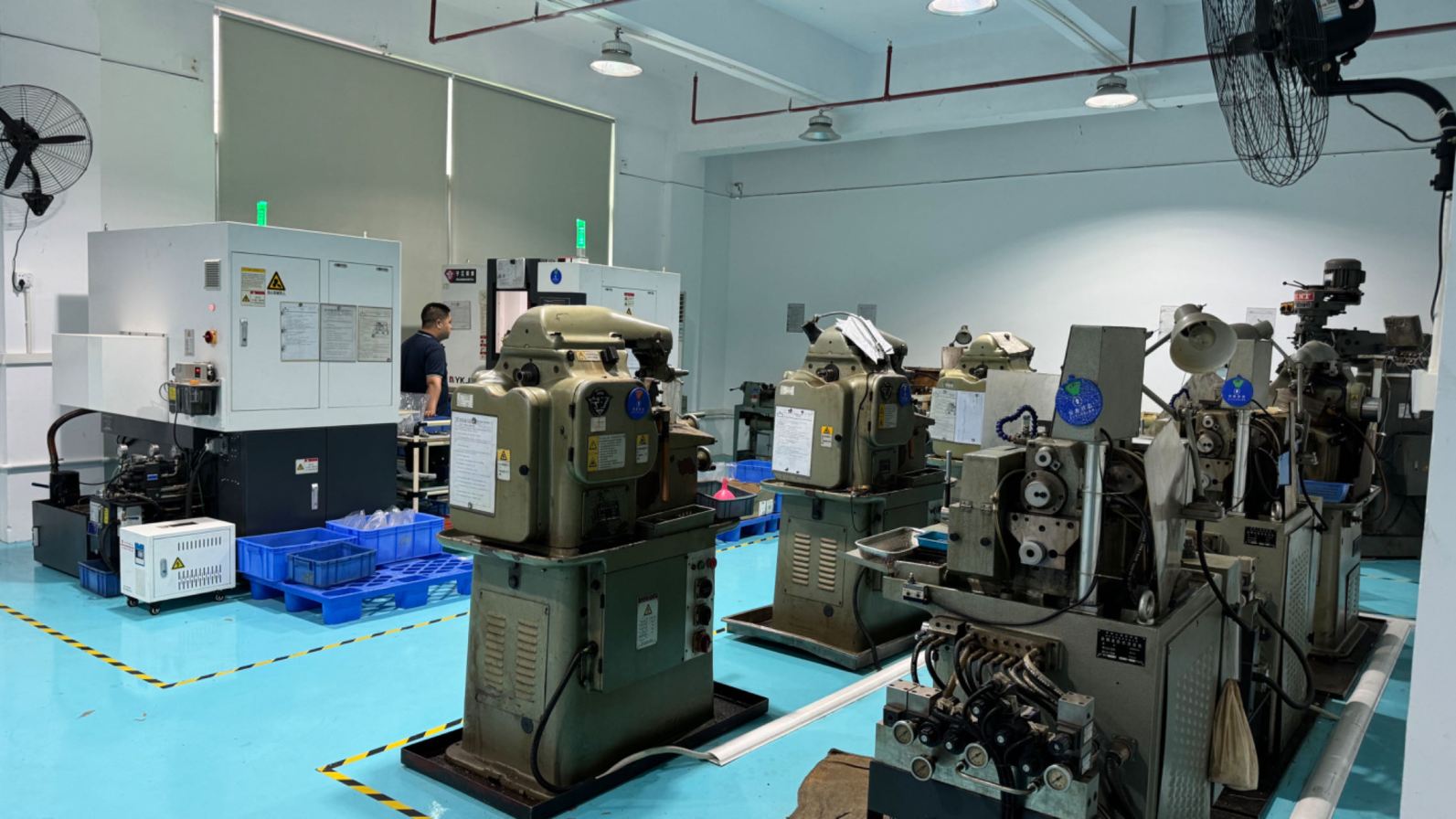
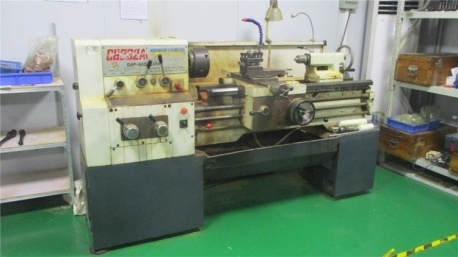
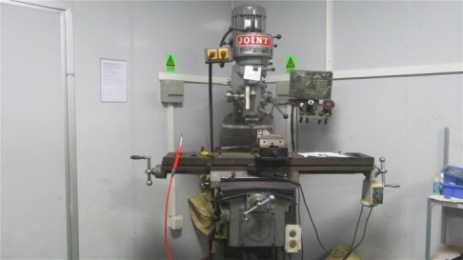
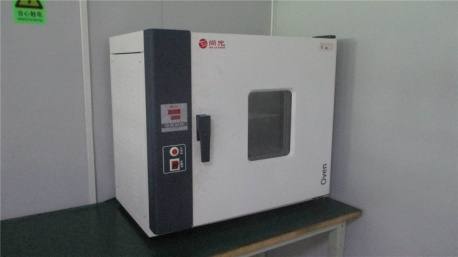
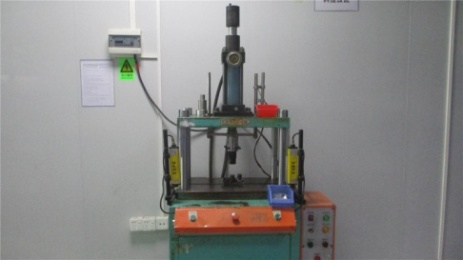
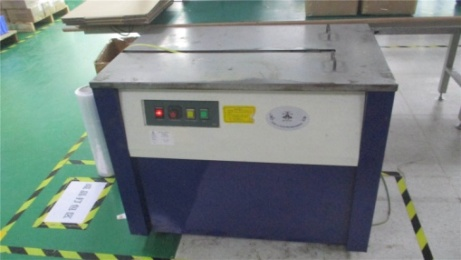
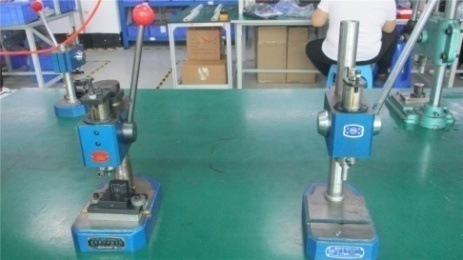
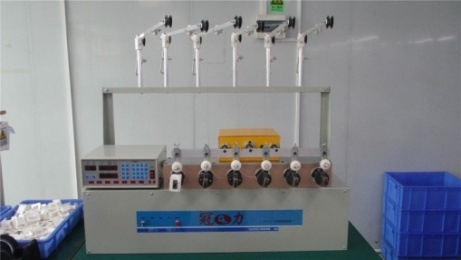
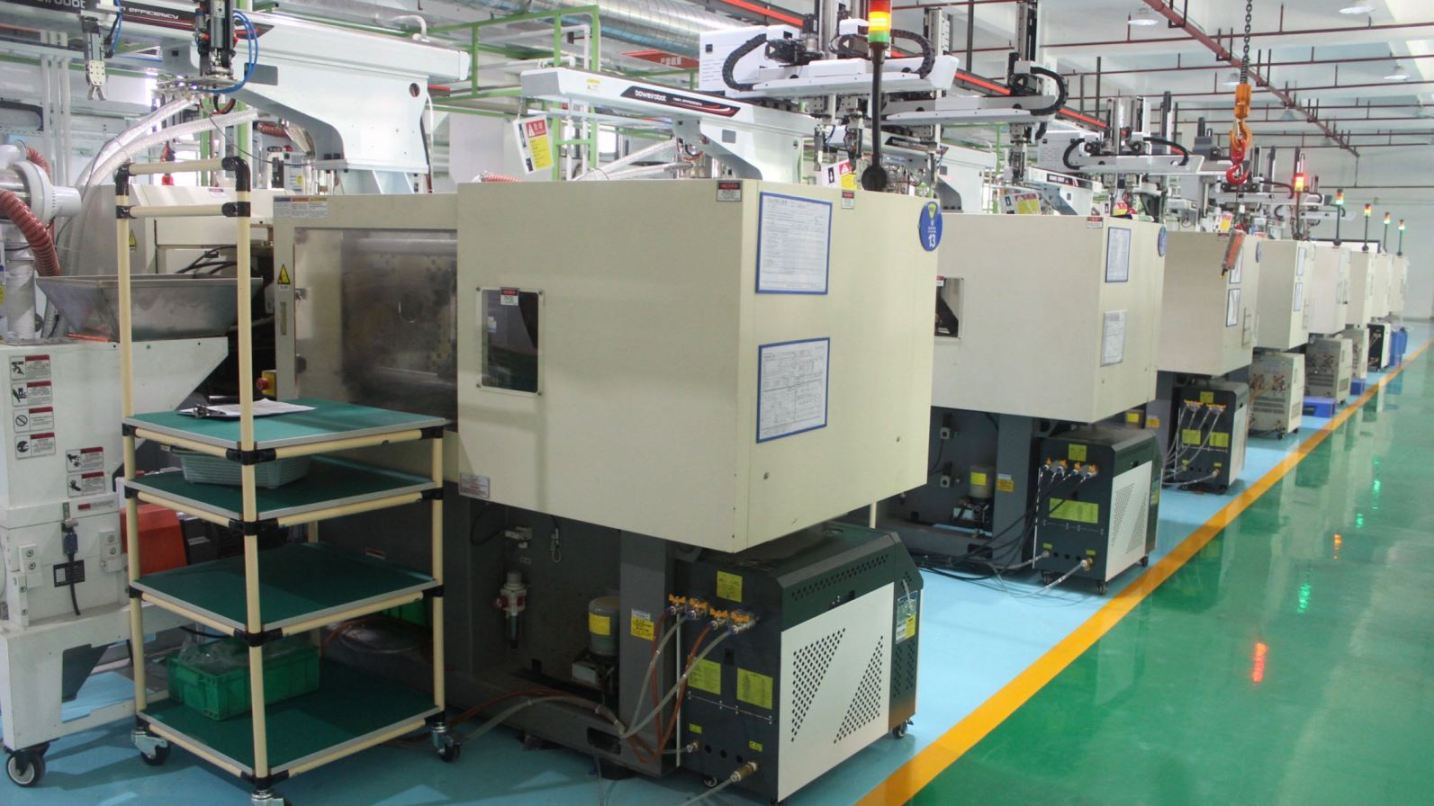
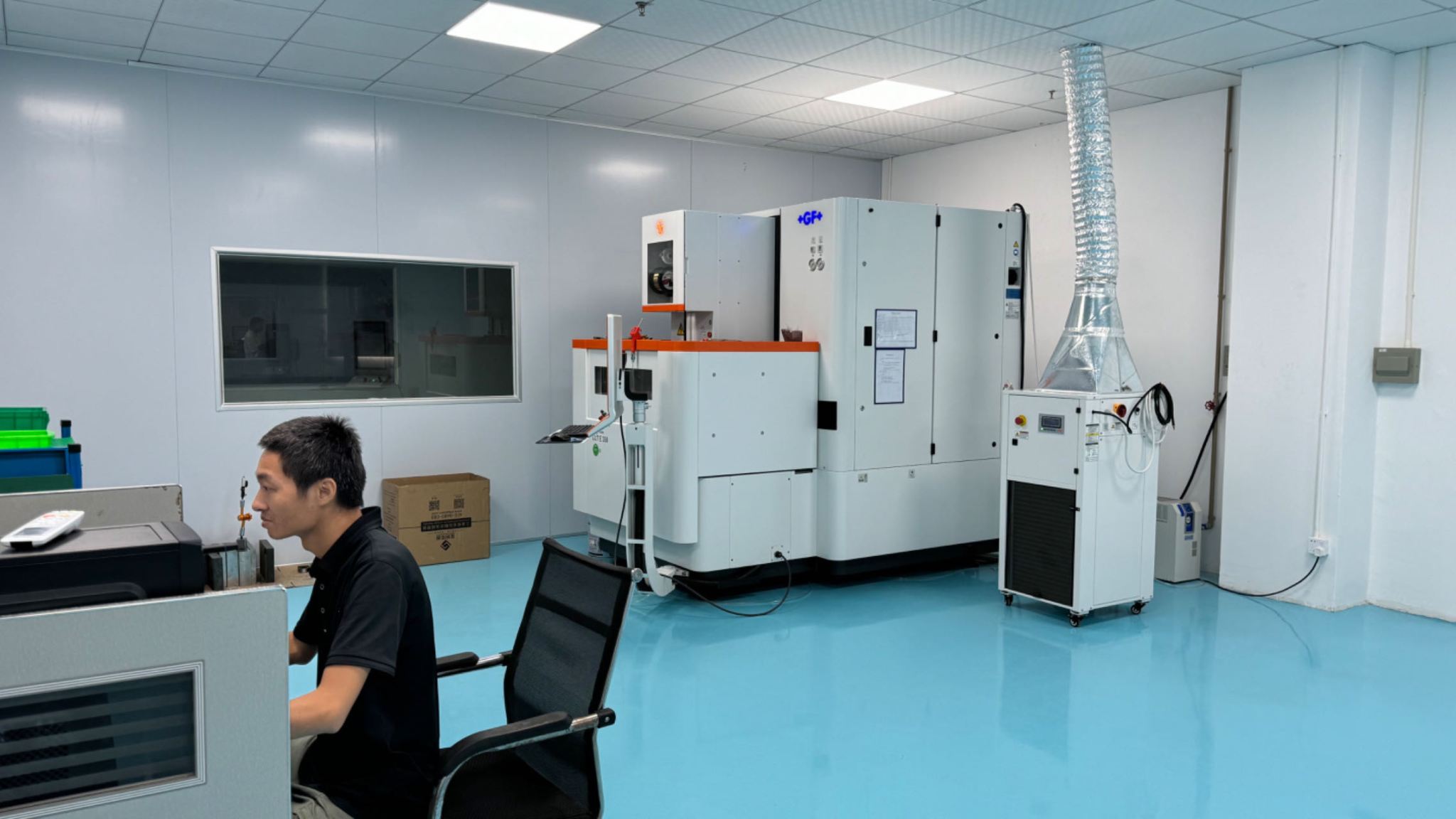
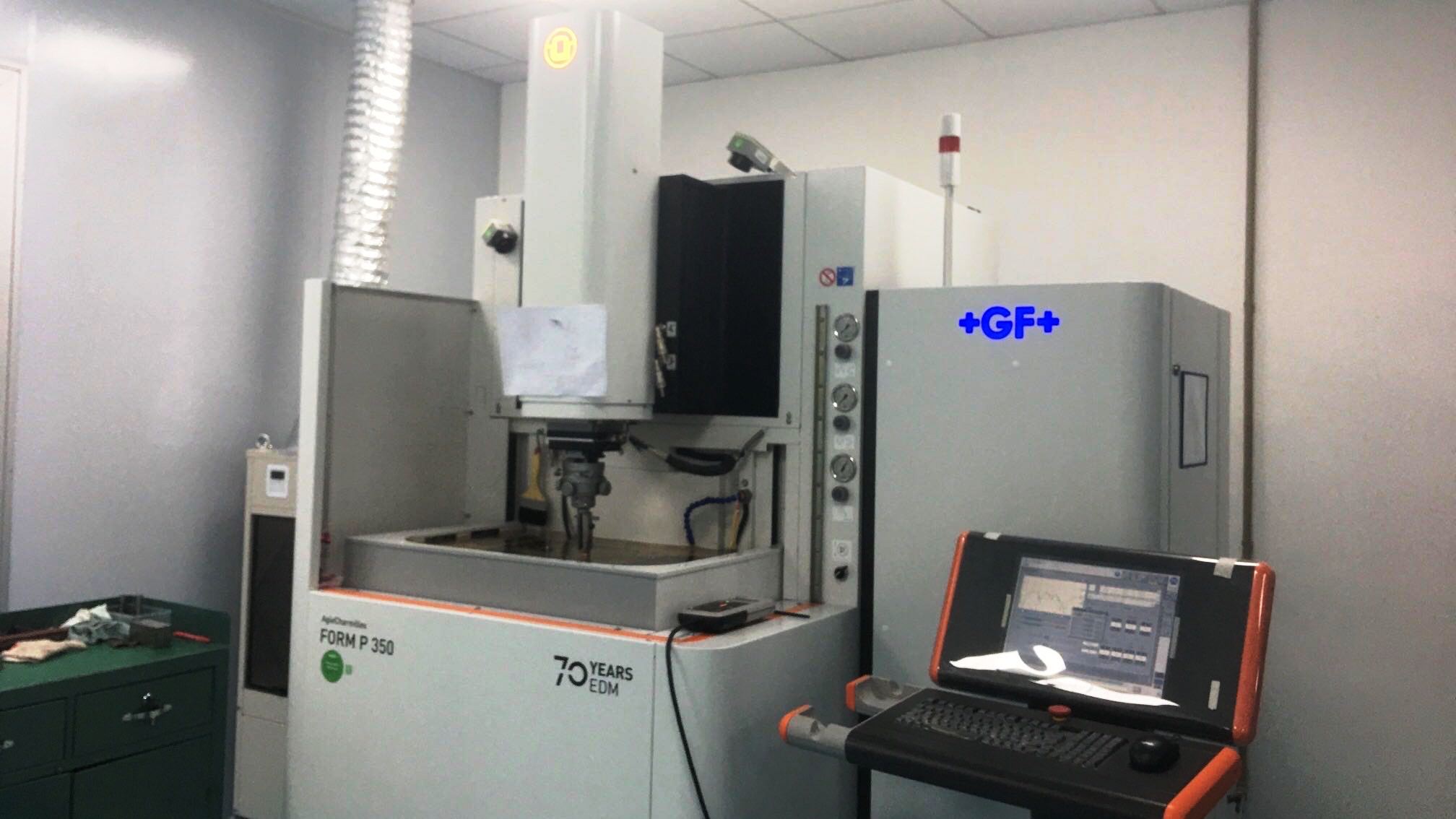
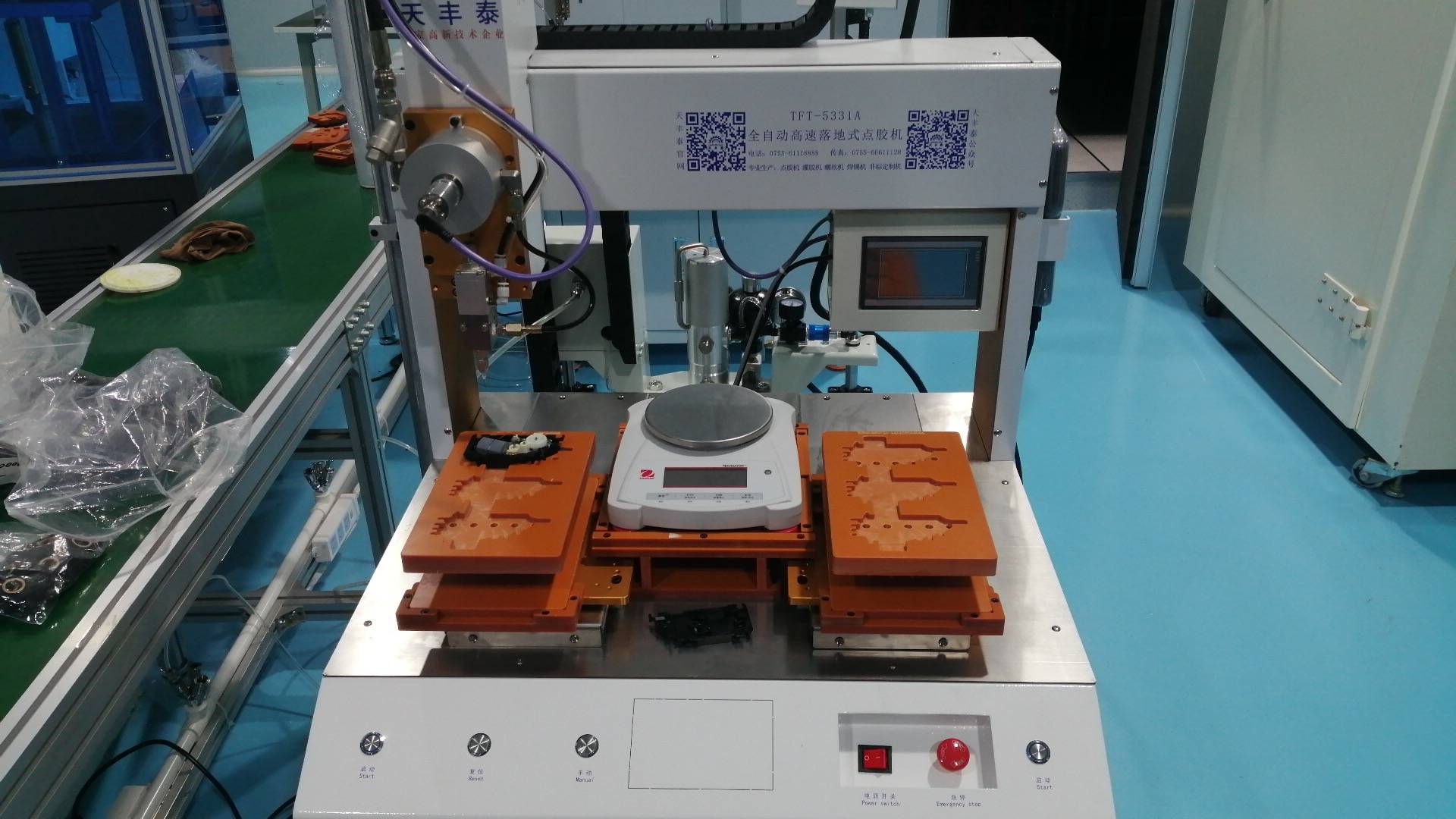
Advanced Processing and Production Machinery
State-of-the-art metal lathes, gear shaping machines, and automated winders configured for micron-level tolerance management.
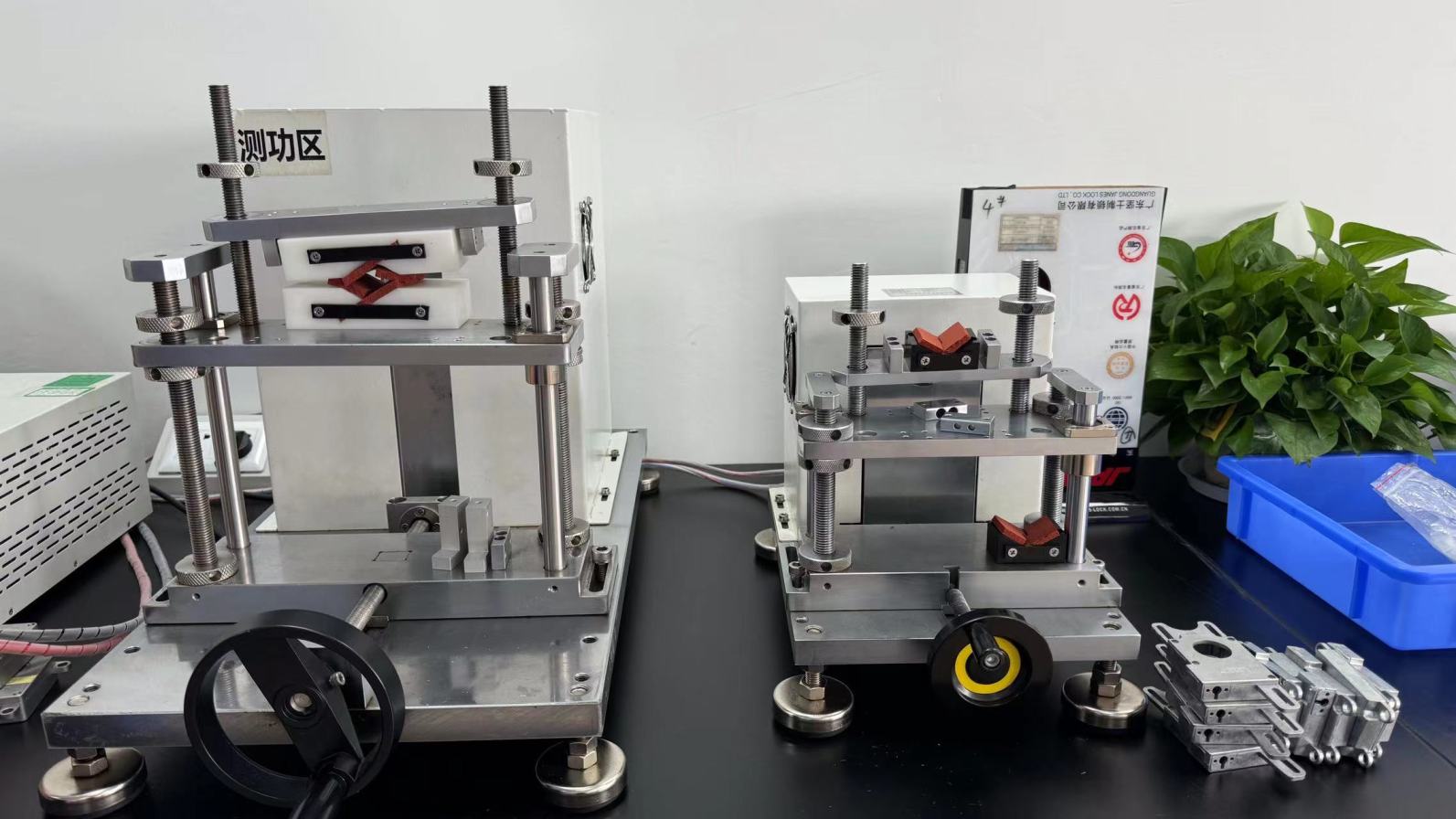
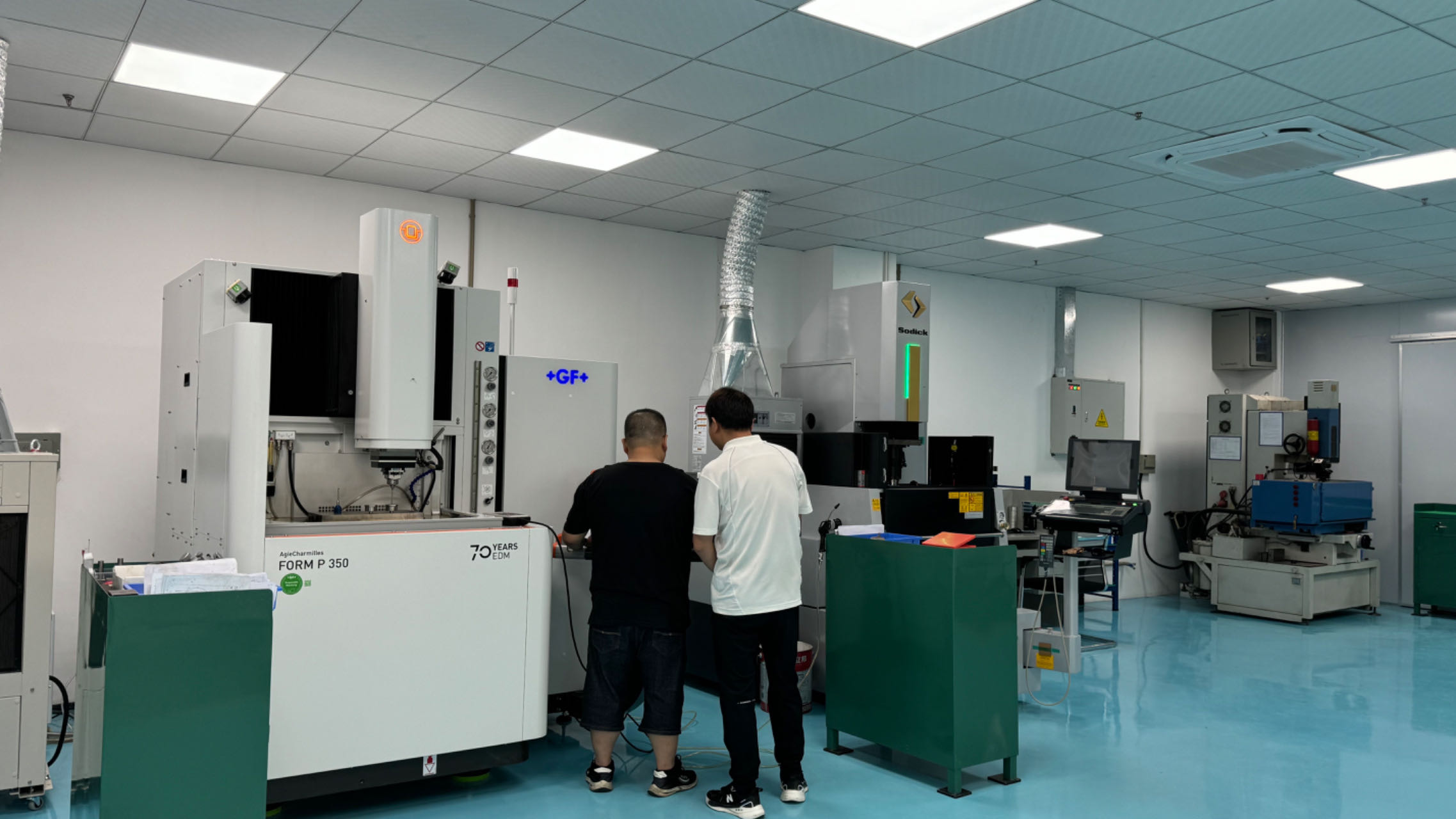
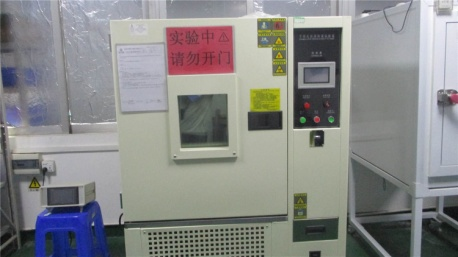
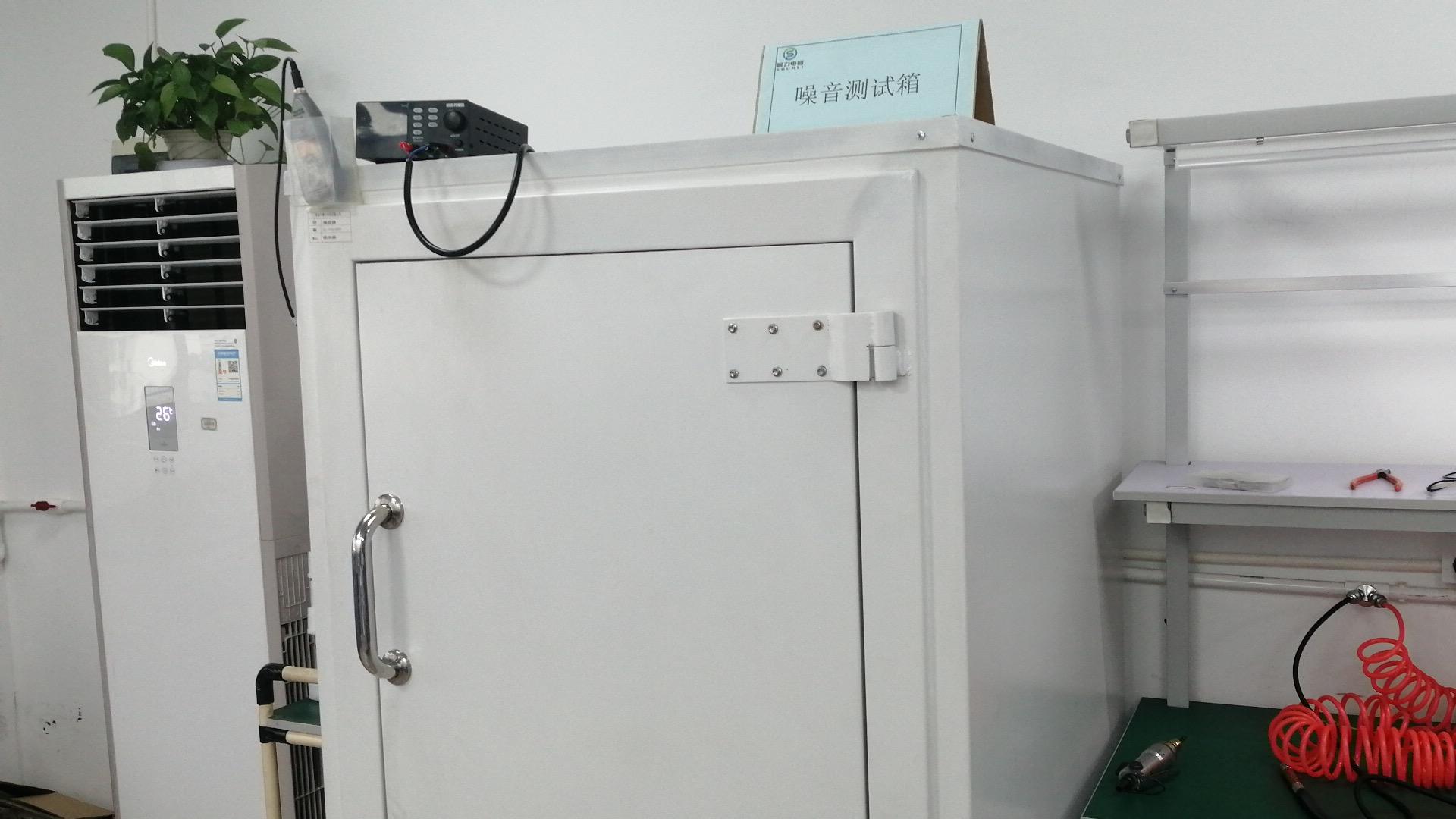
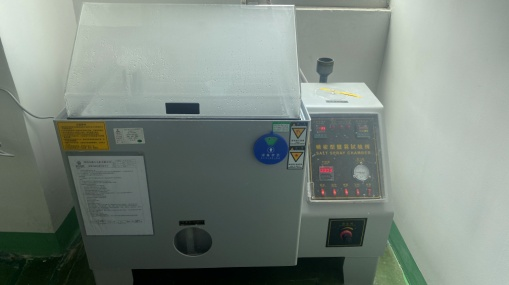
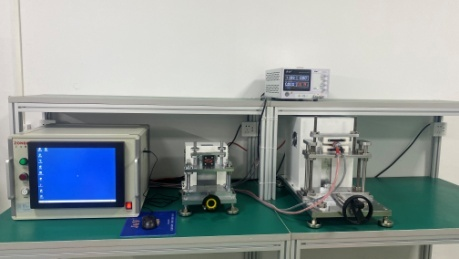
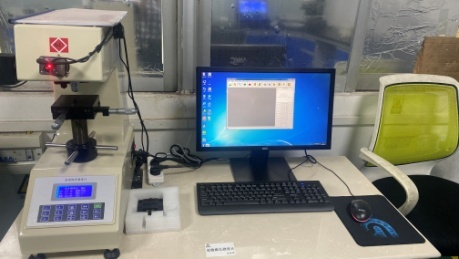
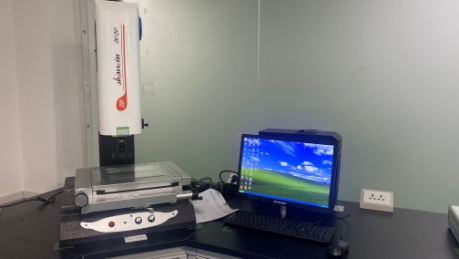
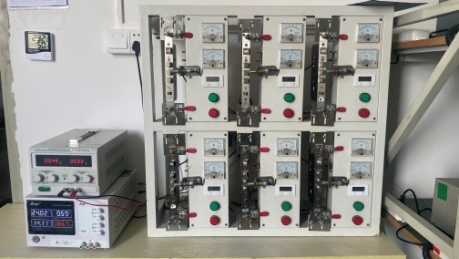
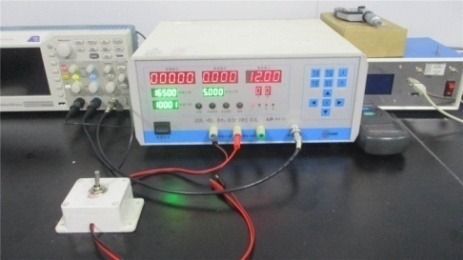
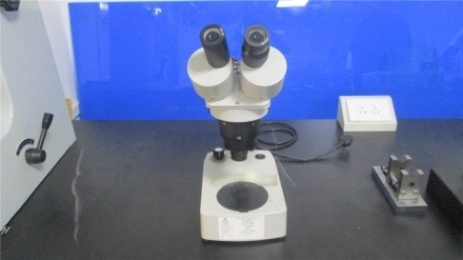
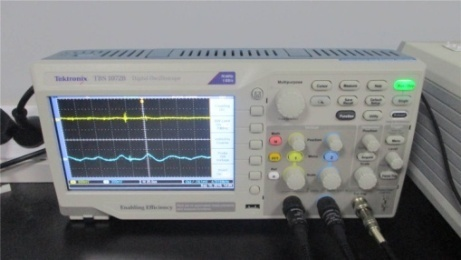
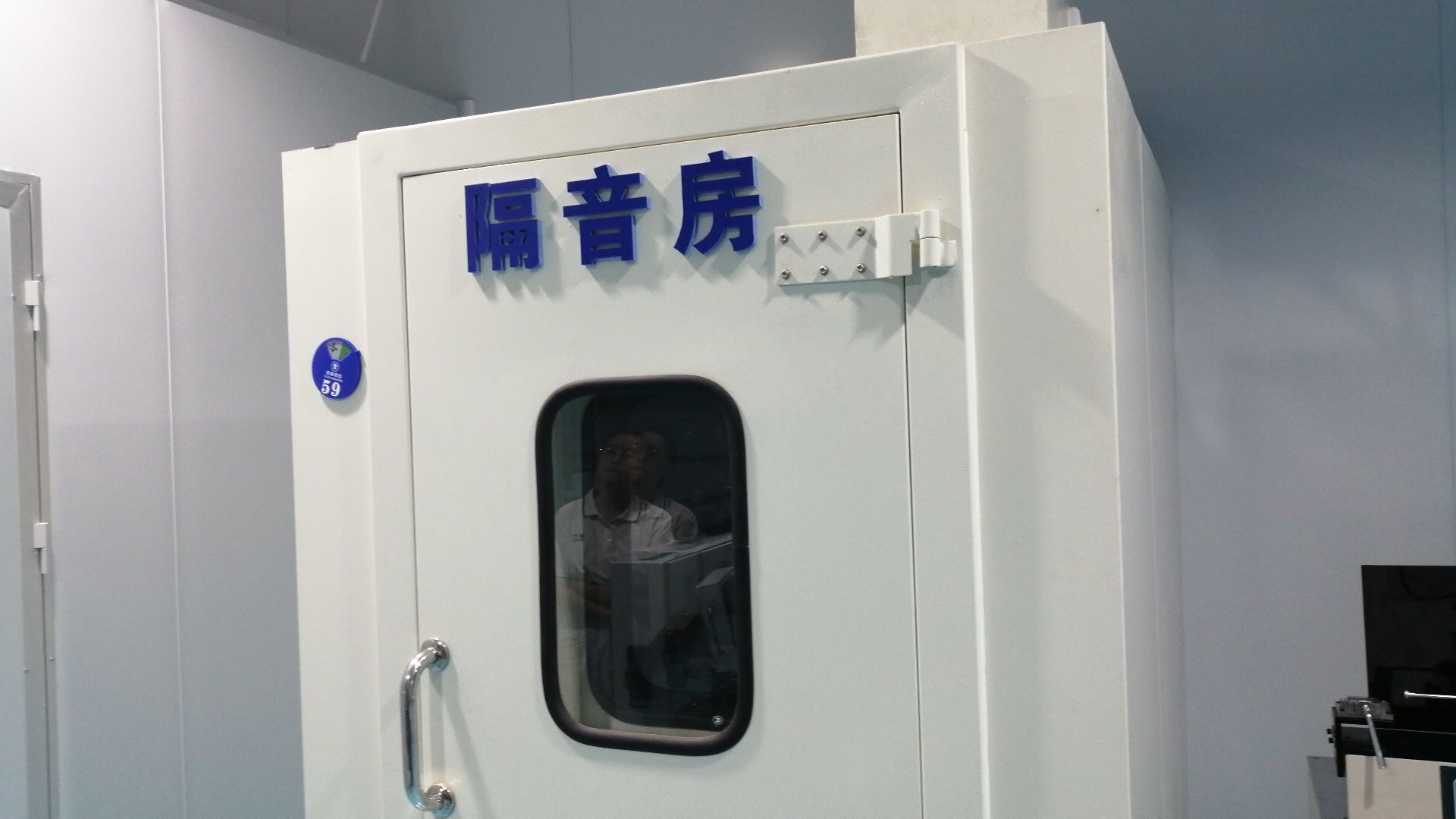
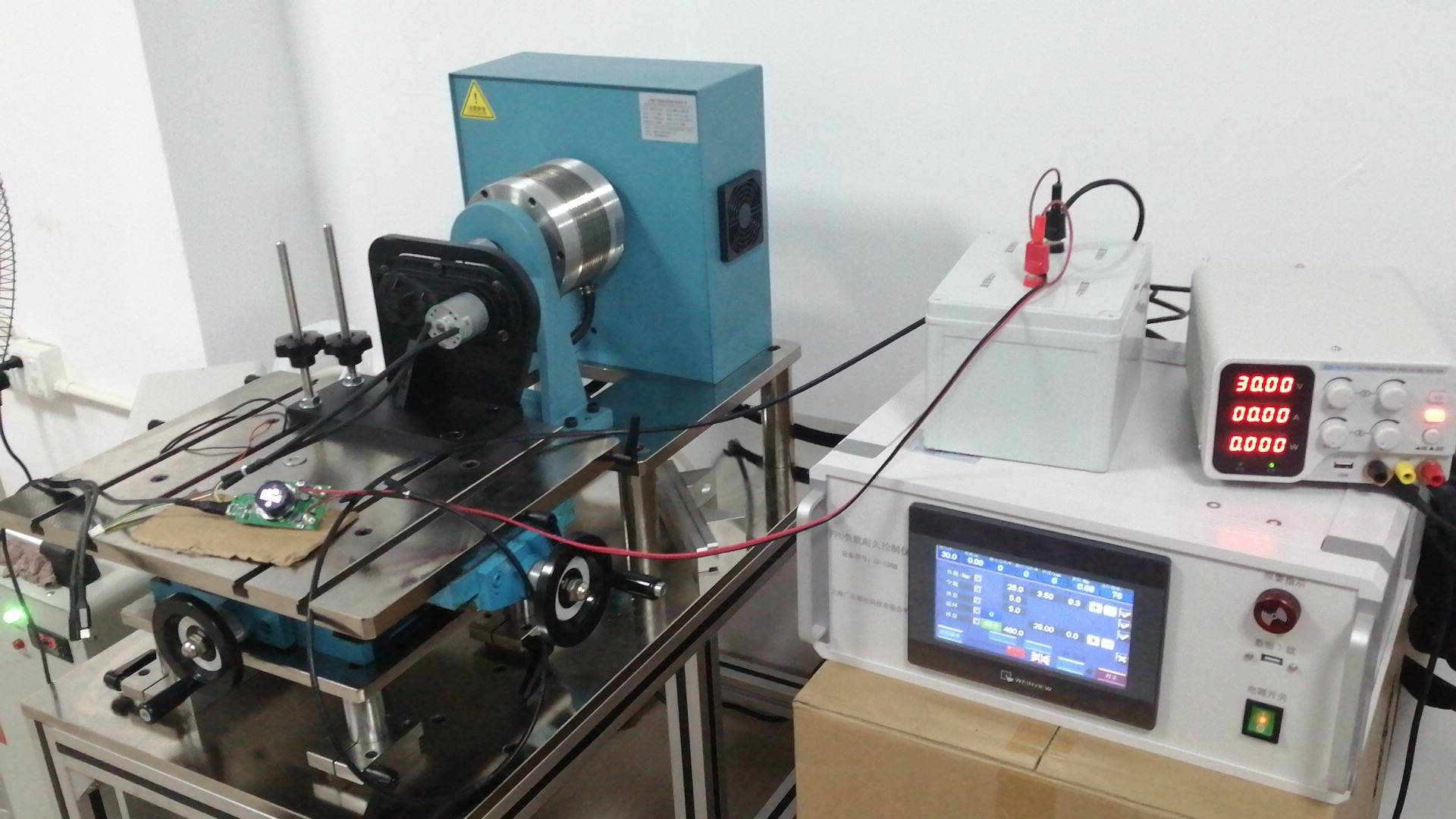
Quality Assurance & Environmental Testing Laboratory
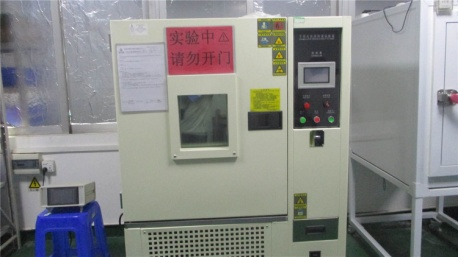
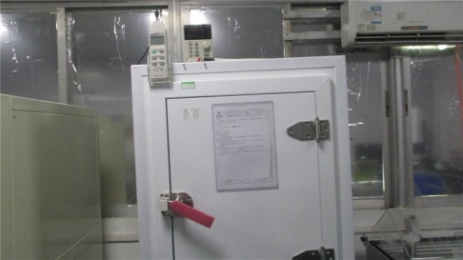
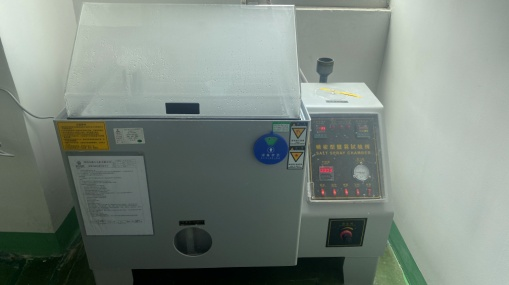
Validating micro-drives against harsh environment conditions, dust entry, moisture ingress, and vibration degradation.
Engineering Integrations in Global Industries
How customizable micro drives adapt to critical load conditions across commercial, medical, and automotive environments.
Automotive Comfort & HVAC
Modern vehicles use up to 100 micro-motors for precise actuation. We construct double dual shaft step gearboxes to operate vehicle air conditioner dampers, vent flaps, and automatic window regulators, offering consistent positioning accuracy under extreme temperatures.
Consumer Appliances & Personal Care
Hair dryers and high-speed vacuum cleaners require small, high-rpm motors to generate high air pressure. We design brushless DC configurations reaching up to 40,000 RPM. These designs help consumer brands improve suction efficiency while maintaining low vibration levels.
Aesthetic Devices & Medical Actuators
Beauty tools and medical devices require compact vibration elements. Using eccentric mass vibrators and miniature permanent magnet DC motors down to 10mm, we supply systems that deliver consistent vibration profiles in tight space limits.
Collaborative Drive Design and Development
From schematic layout to thermal simulations and functional validation prototypes.
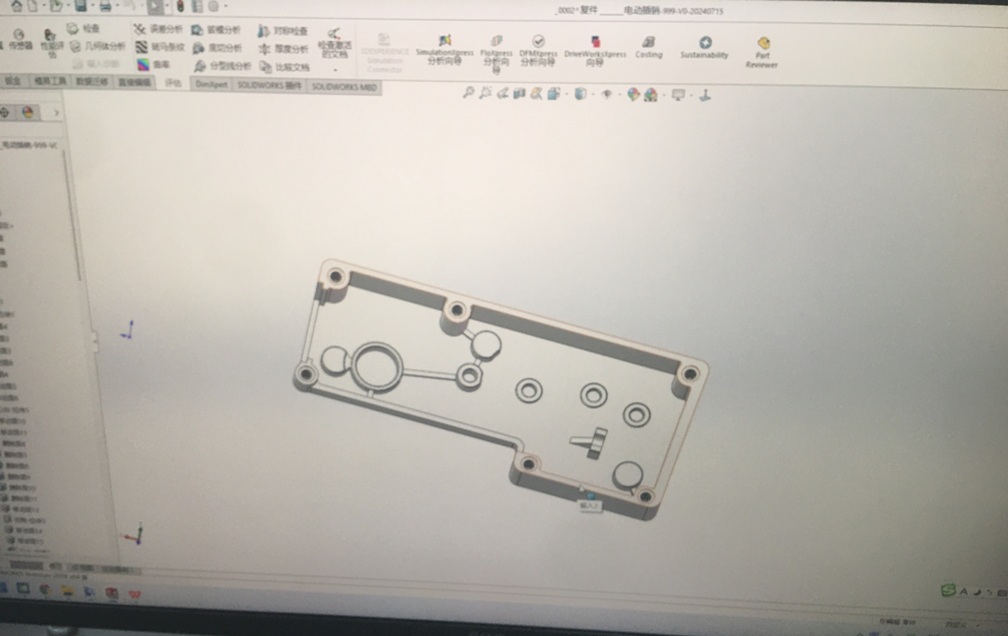
Every industrial project begins in the engineering design lab. Using advanced modeling software, our engineering team optimizes motor laminations, winding layouts, and magnetic flux profiles before fabricating any tooling components.
Our collaborative path guarantees design alignment:
- Electromagnetic Optimization: Finite Element Analysis (FEA) to reduce cogging torque and maximize torque-to-volume ratios.
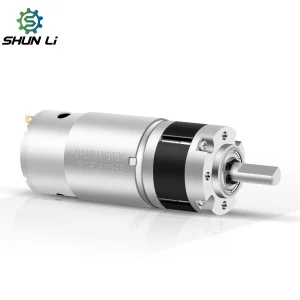
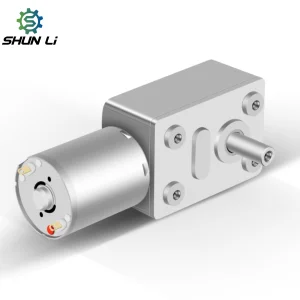
- Gear Train Calculation: Selecting appropriate planetary, spur, or worm gear combinations to match output torque and speeds.
- Environmental Protection: Design options reaching up to IP67 class protection for systems operating in dust-heavy or high-humidity environments.
Whitepaper: Evaluating Coreless and Brushless Rotor Topologies
High-rpm micro drive design has progressed rapidly beyond standard iron-core brushed DC layouts. Today's applications require high torque densities, low rotor inertia, and long service lives, which has driven the popularity of two main motor layouts: coreless (slotless) windings and brushless permanent magnet rotors (BLDC/PMSM).
1. Eliminating Cogging Torque in Coreless Topologies
Standard DC motors rely on iron laminations with slots to guide copper coils. While this setup helps concentrate magnetic flux, it introduces cogging torque—a pulsing attraction between the magnets and the iron slots. For applications requiring smooth rotation at low speeds, like dosing pumps, surgical tools, and optical focus assemblies, cogging torque can cause performance issues.
Coreless motor layouts solve this problem by using a self-supporting, basket-weave copper coil that spins without an internal iron core. Removing the iron core eliminates magnetic cogging, reduces rotor weight, and decreases winding inductance. The result is fast acceleration response, quiet operation, and minimal vibration.
2. Managing Thermal Dissipation in High-Speed Systems
As micro drives decrease in size, dissipation of resistive heat becomes a key limit on performance. In standard brushed motors, heat is generated mainly in the central rotor coils. Since the rotor is surrounded by an insulating air gap, heat transfer to the motor housing is slow, meaning heavy duty cycles can easily overheat the windings.
Brushless motors address this thermal issue by moving the copper windings to the outer stator, placing them in direct contact with the motor housing. This configuration allows thermal energy to dissipate directly through the outer casing, sometimes aided by active cooling or custom mounting flanges. This improved heat path allows brushless motors to run continuously at higher power levels without risk of thermal failure.
3. Balancing Gear Ratios and Lubrication in Gearboxes
High-speed motors often require gearboxes to reduce RPM and output the high torque needed for heavy loads. However, combining a high-input motor (running at 10,000+ RPM) with a gear reducer introduces high frictional drag and physical wear on the gear teeth. At high speeds, planetary systems and worm drives require durable materials and appropriate lubrication to prevent premature wear.
To ensure long-term durability, we construct gearboxes using precise gear ratios, heat-treated steel alloys, and high-performance synthetic lubricants. These combinations reduce internal friction, quiet gear engagement noise, and help maintain high power efficiency through the gearbox assembly.
Frequently Asked Questions
Technical support, sourcing timelines, and customization options for wholesale buyers.
Industrial Micro-Drive Selection
Explore our planetary gearboxes, high-torque permanent magnet motors, and customized actuators.