Micprec Motor
Featured Precision Micro Motors & Geared Drives
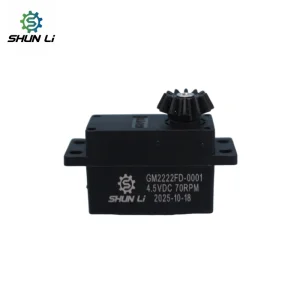
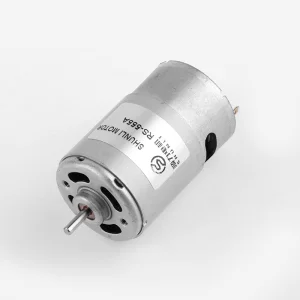
Engineered to power industrial rotary actuators, smart locks, household automation, and high-torque mechanical systems.
Industrial Whitepaper: The Strategic Landscape of Precision Rotary Actuation
Smart Manufacturing for a Sustainable Future
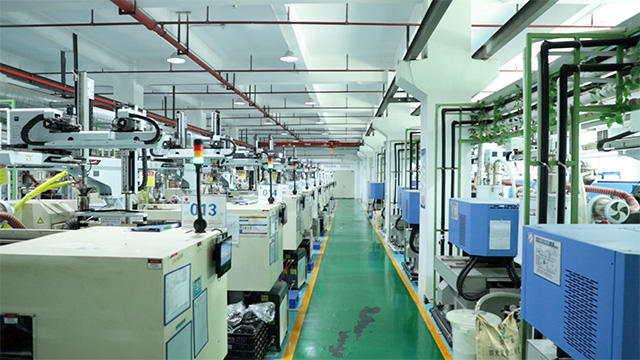
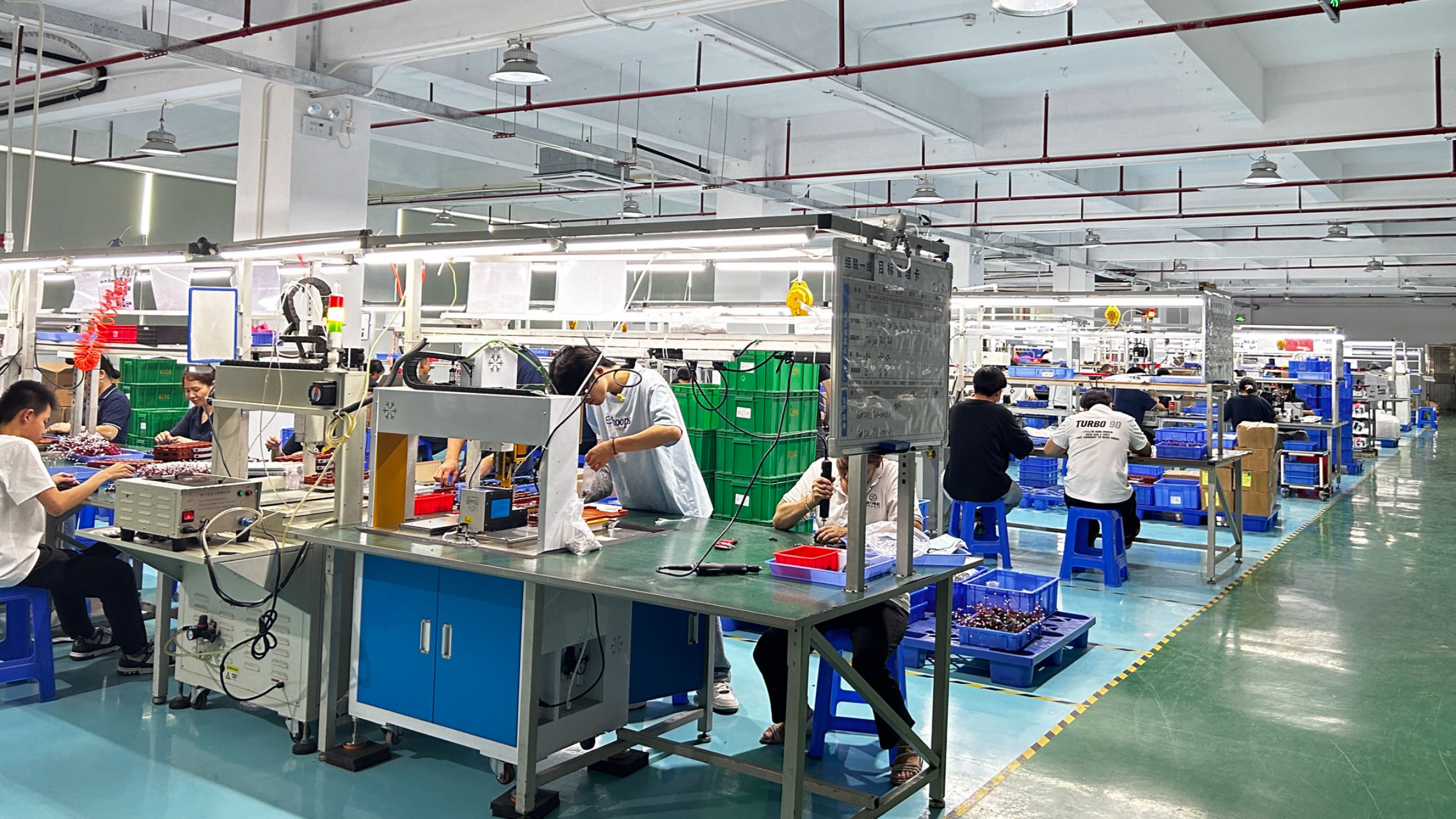
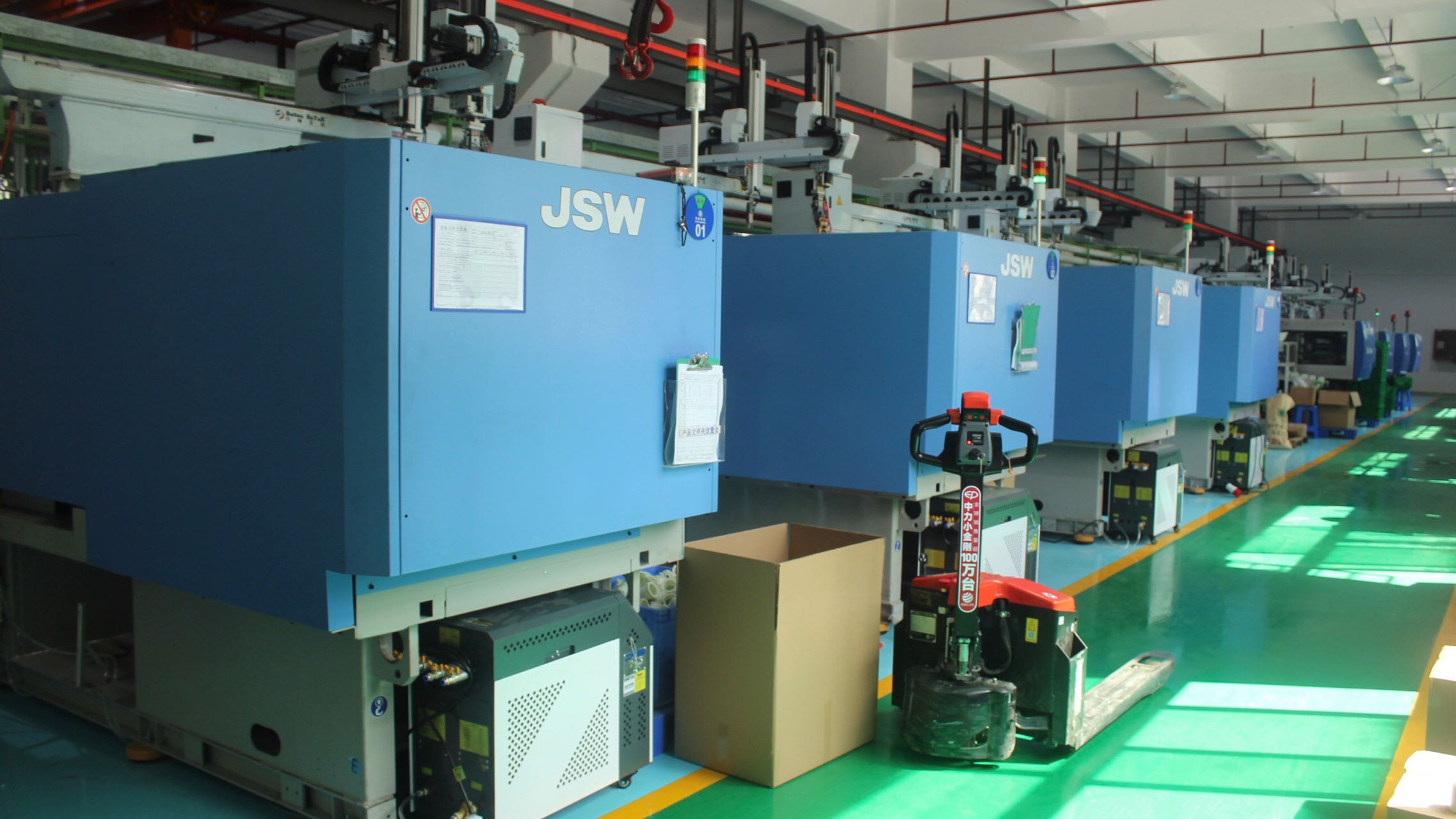
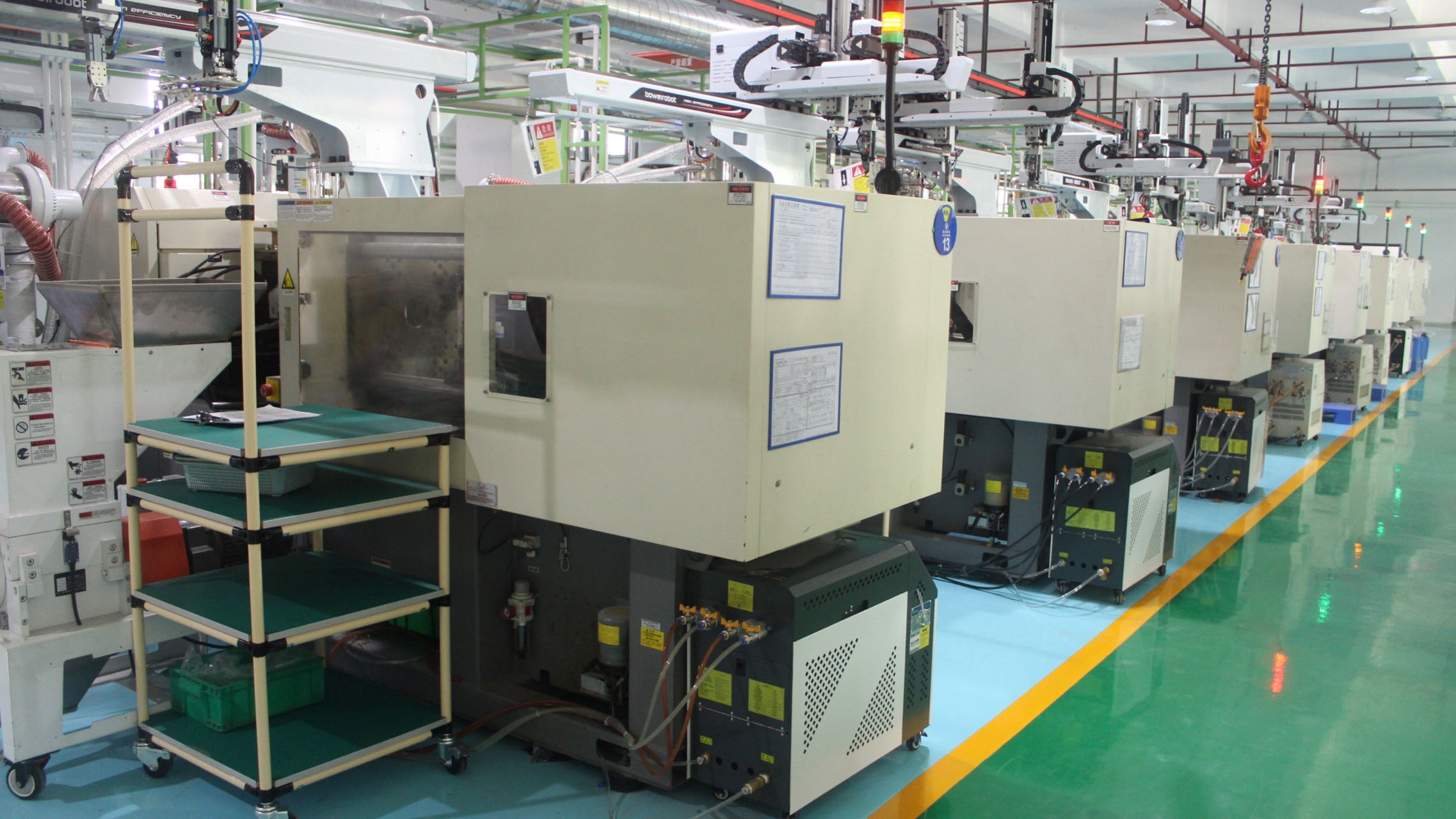
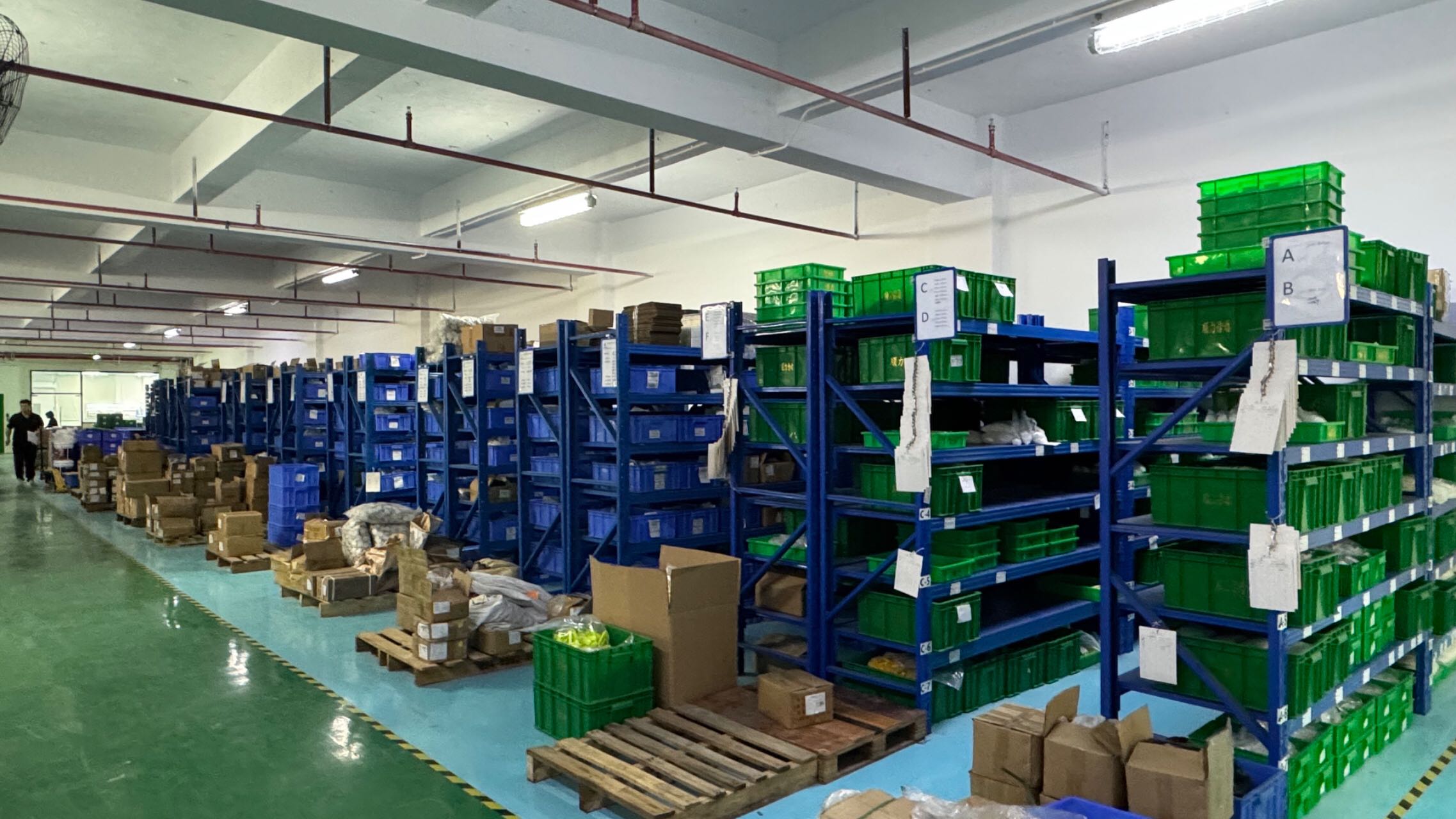
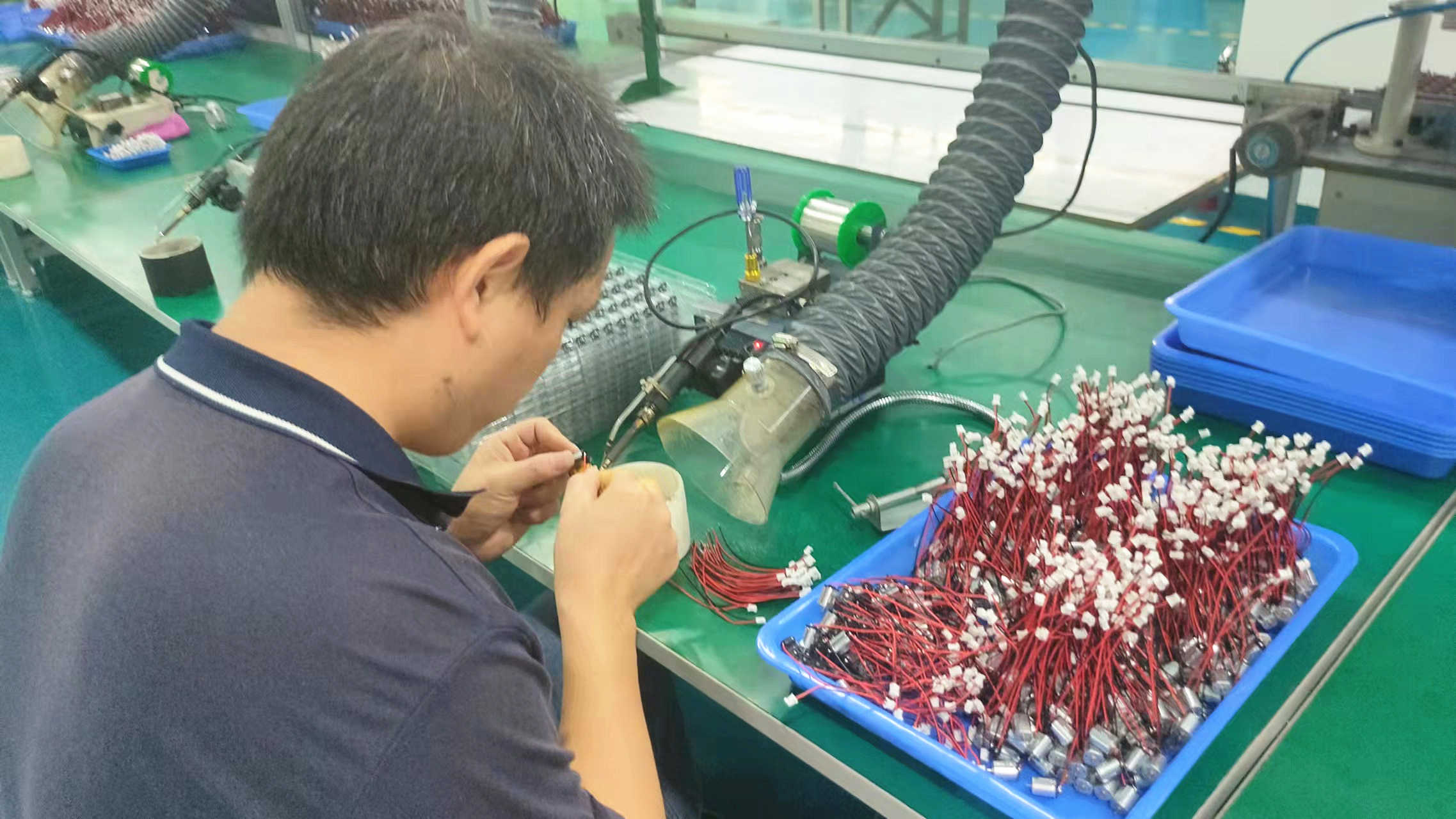
Welcome to the future of micro-drive manufacturing. Micprec Motor operates a state-of-the-art facility designed for efficiency, precision, and sustainability. As a leading China exporter of micro DC and brushless motors, we combine twenty years of industrial heritage with a forward-thinking approach to lean automated manufacturing.
Quality and compliance are embedded in our DNA. Our entire production ecology conforms to rigorous international standards, including ISO9001, CE, RoHS, and REACH. By investing heavily in automated assembly lines and eco-friendly manufacturing processes, we ensure absolute consistency across high-volume production runs while minimizing our carbon footprint.
When you choose Micprec Motor, you are not just choosing a supplier; you are choosing a responsible, transparent global supply chain partner committed to powering your products with high-efficiency, energy-saving motion control solutions.

Understanding Rotary Actuator Fundamentals & B2B Sourcing Intent
In B2B industrial procurement, the term rotary actuator refers to a complex assembly consisting of an electrical drive (motor), a reduction gearbox (planetary, spur, or worm gearing), and integrated control feedback loops. The selection of an actuator supplier is a critical architectural decision. Global engineering and sourcing directors seek components that balance torque density, angular precision, backlash characteristics, and long-term operating durability.
As a seasoned B2B industrial partner, Micprec Motor addresses the precise technical needs of systems integrators and device manufacturers. By bridging the gap between micro-drive design and macro-mechanical integration, we supply the key driving cores that define modern high-efficiency rotary actuators.
B2B Search Quality & Information Gain Insight
Traditional sourcing portals list basic product sheets with minimal structural context. True industry leaders provide structural transparency, showcasing processing tolerances, materials selection, heat-treatment standards for gears, and comprehensive metrology frameworks. This whitepaper serves to bridge the communication gap between B2B purchasing executives and engineering teams.
Rotary Actuator Technical Roadmap & Future Outlook
The industrial landscape is moving rapidly towards integration and miniaturization. Rotary actuator design is undergoing three primary shifts:
- Transition to Integrated Smart Actuation: The separation of motor, gearbox, and controller is obsolete. Modern actuators integrate high-torque brushless DC (BLDC) motors directly with planetary gear stages and absolute magnetic encoders, allowing direct BUS communication (EtherCAT, CANopen, or Modbus).
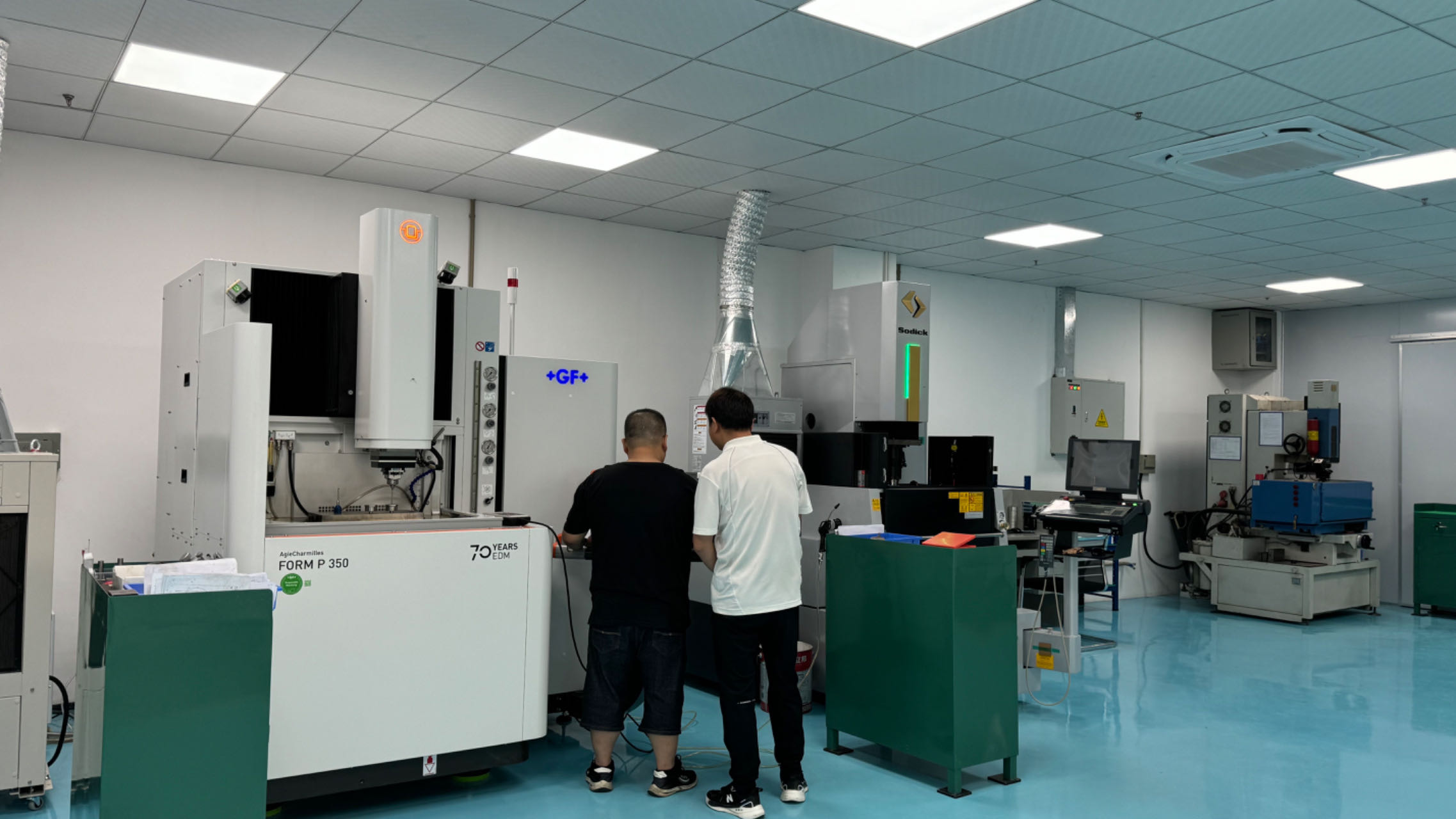
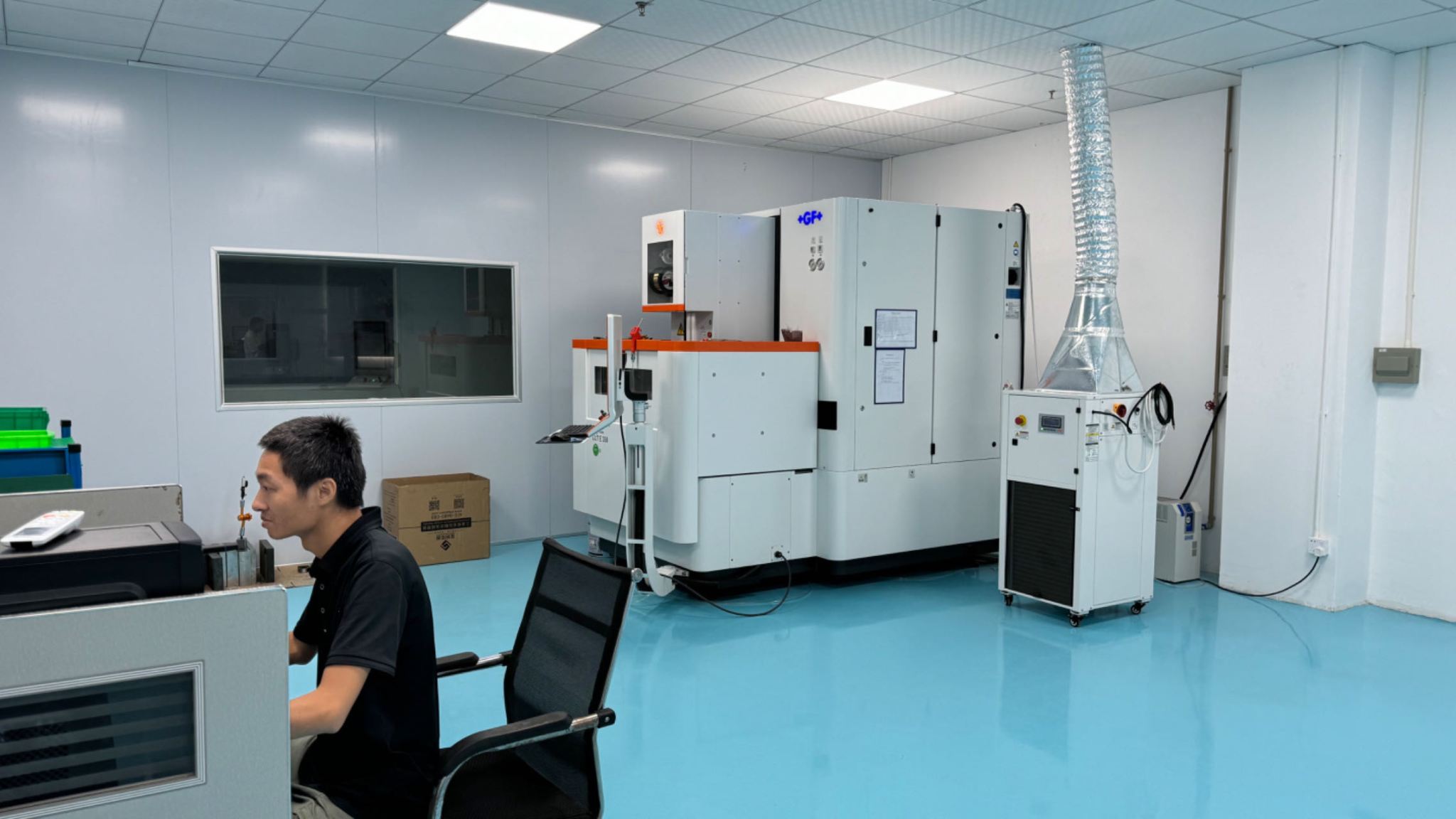
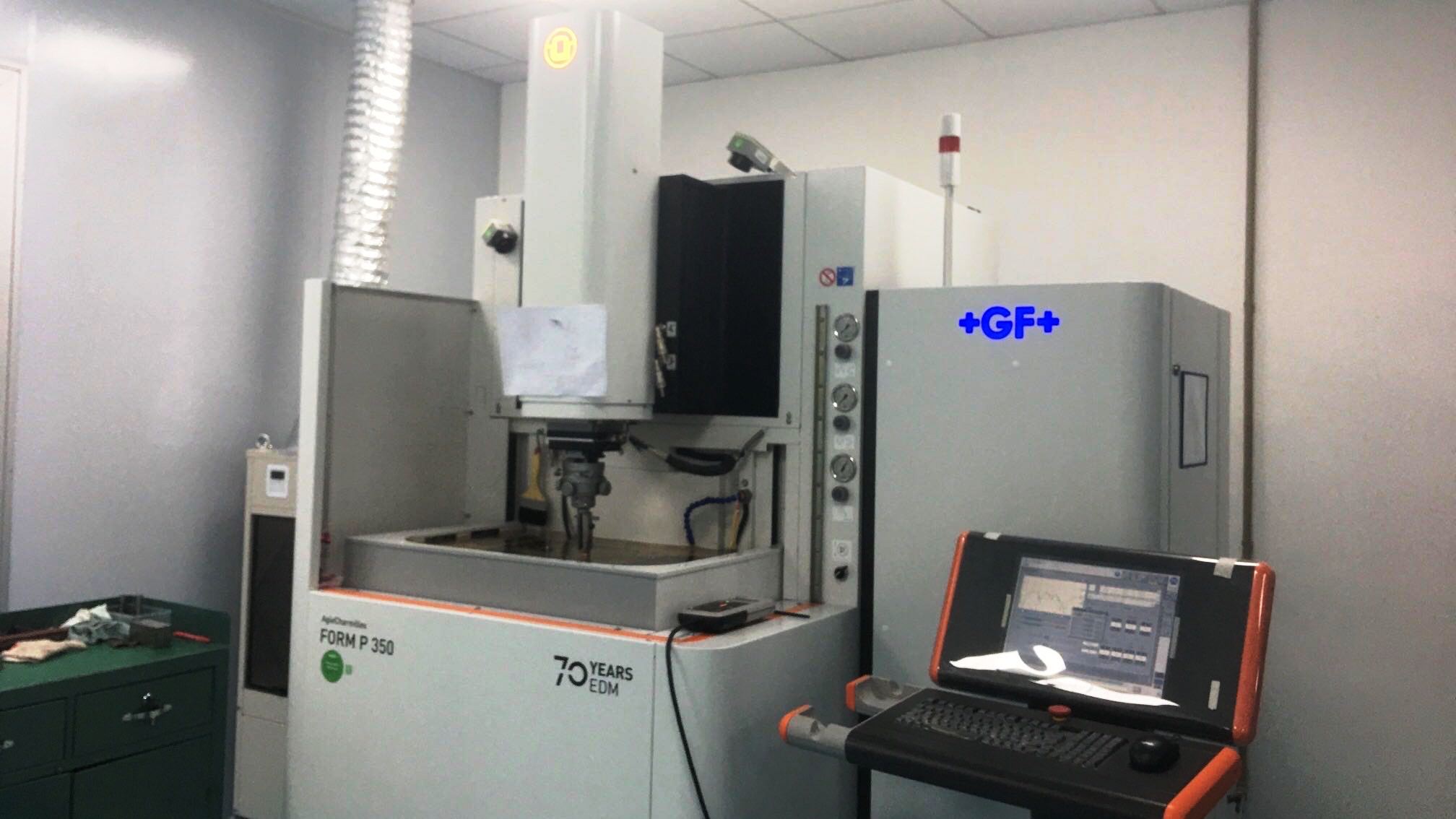
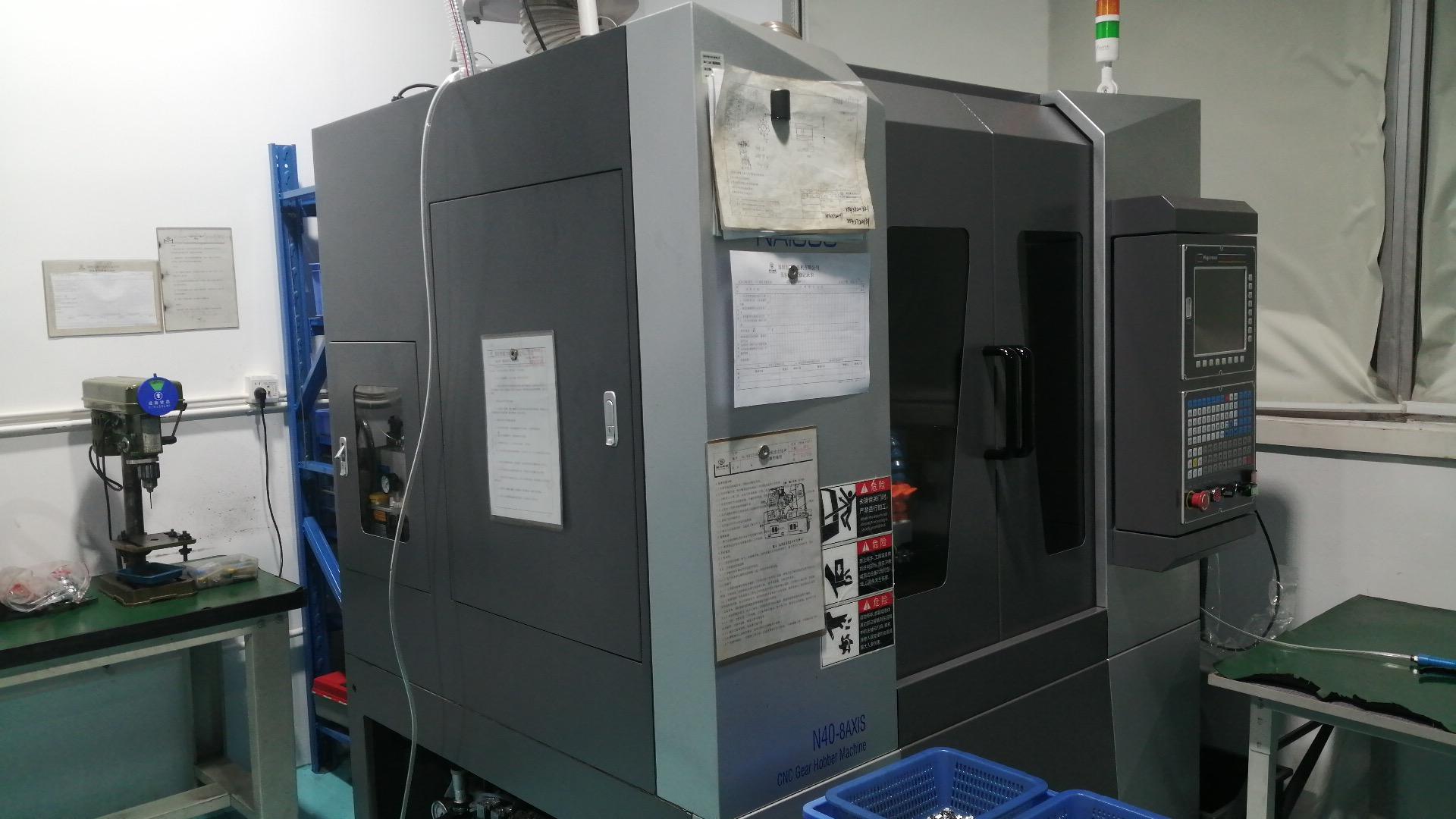
- Backlash Reduction & Materials Innovation: Precision operations like robotic joints and medical surgery systems demand sub-arcminute backlash. This requires advanced hobbing processes, slow-feeding wire-cut EDM, and high-performance engineering plastics or hardened steel alloys.
- Thermal Optimization and Power Density: Higher torque in smaller footprints requires class H insulation systems, vacuum-impregnated windings, and finite element analysis (FEA) optimized housings that maximize surface dissipation.
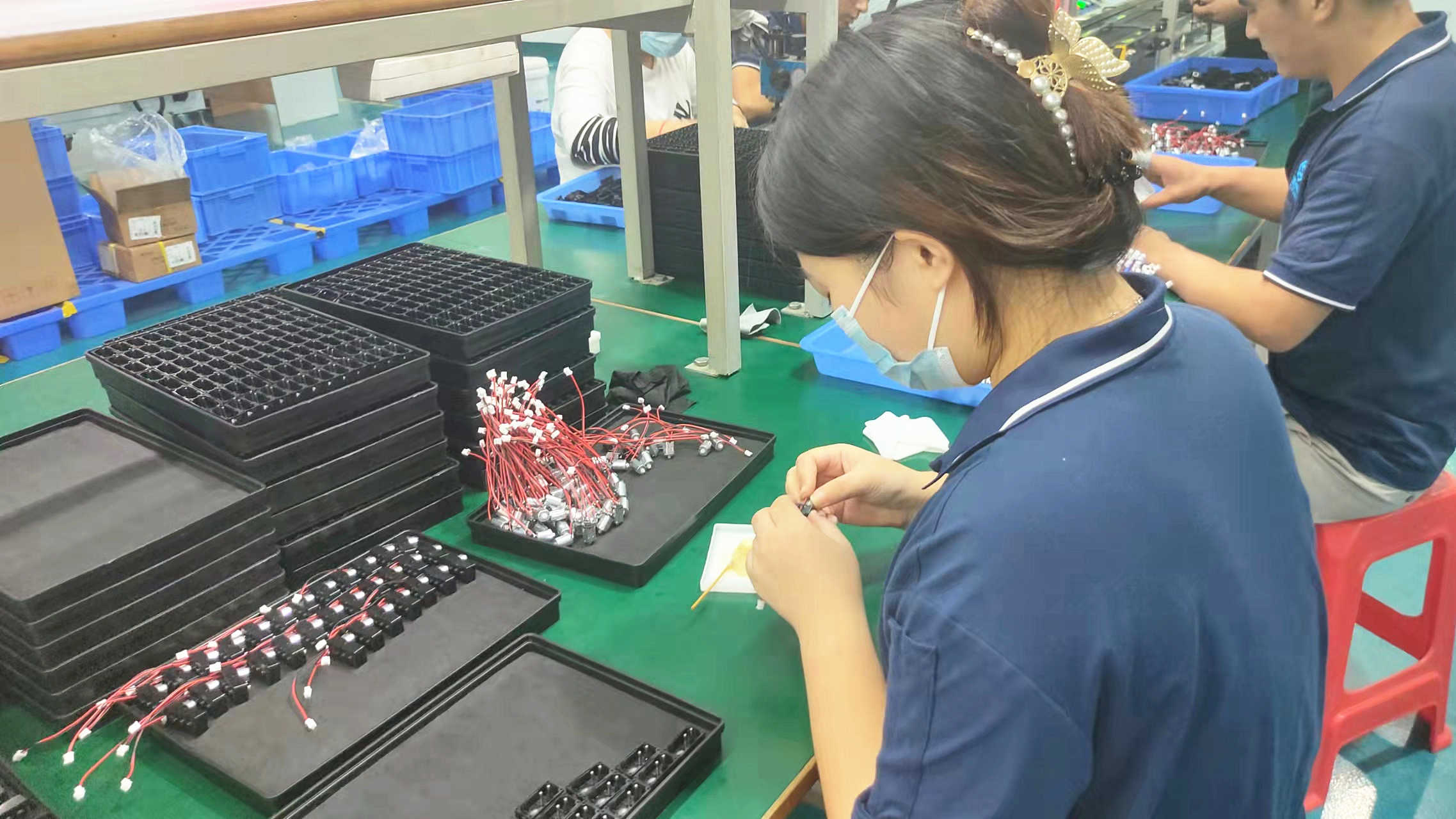
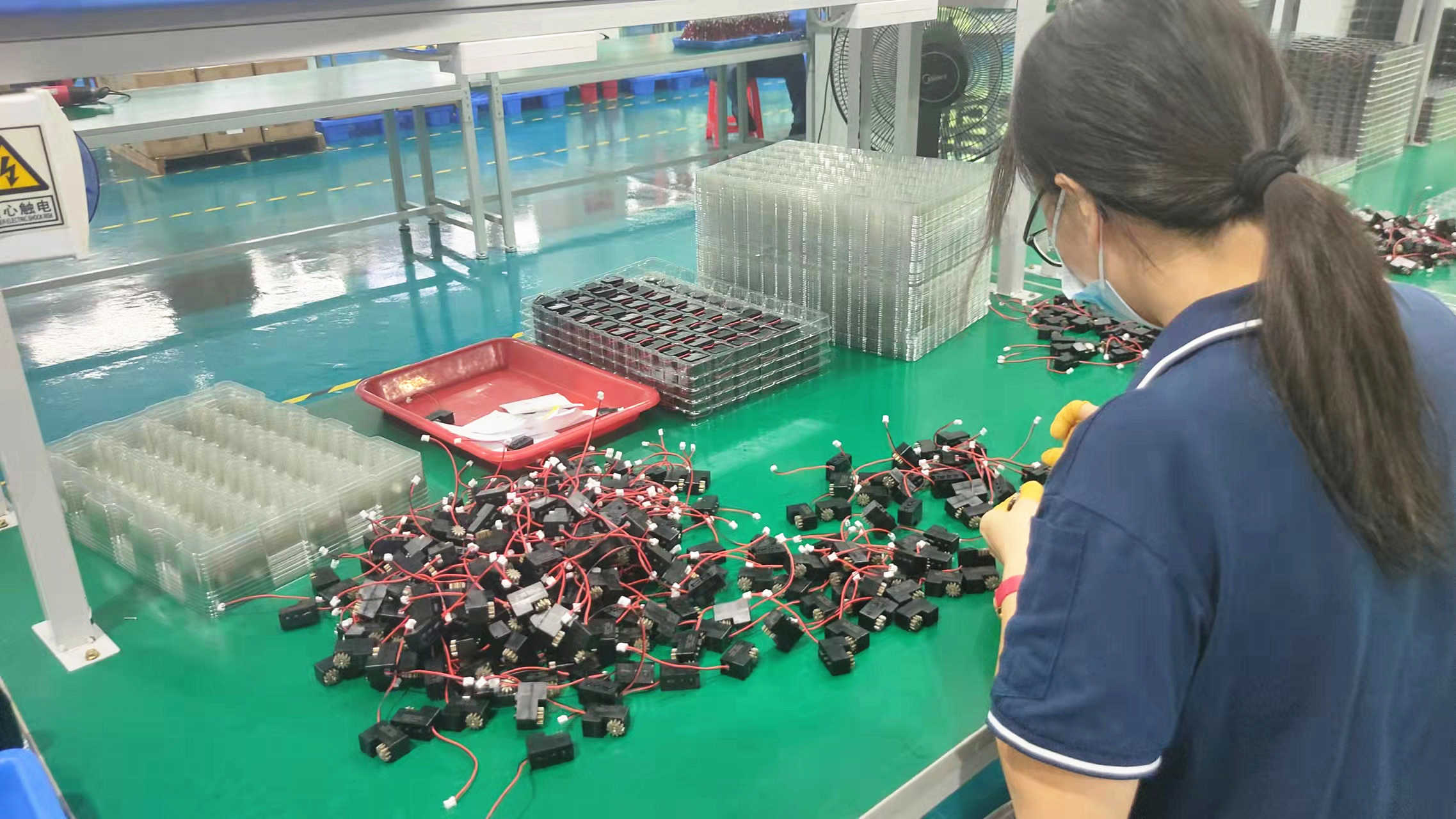
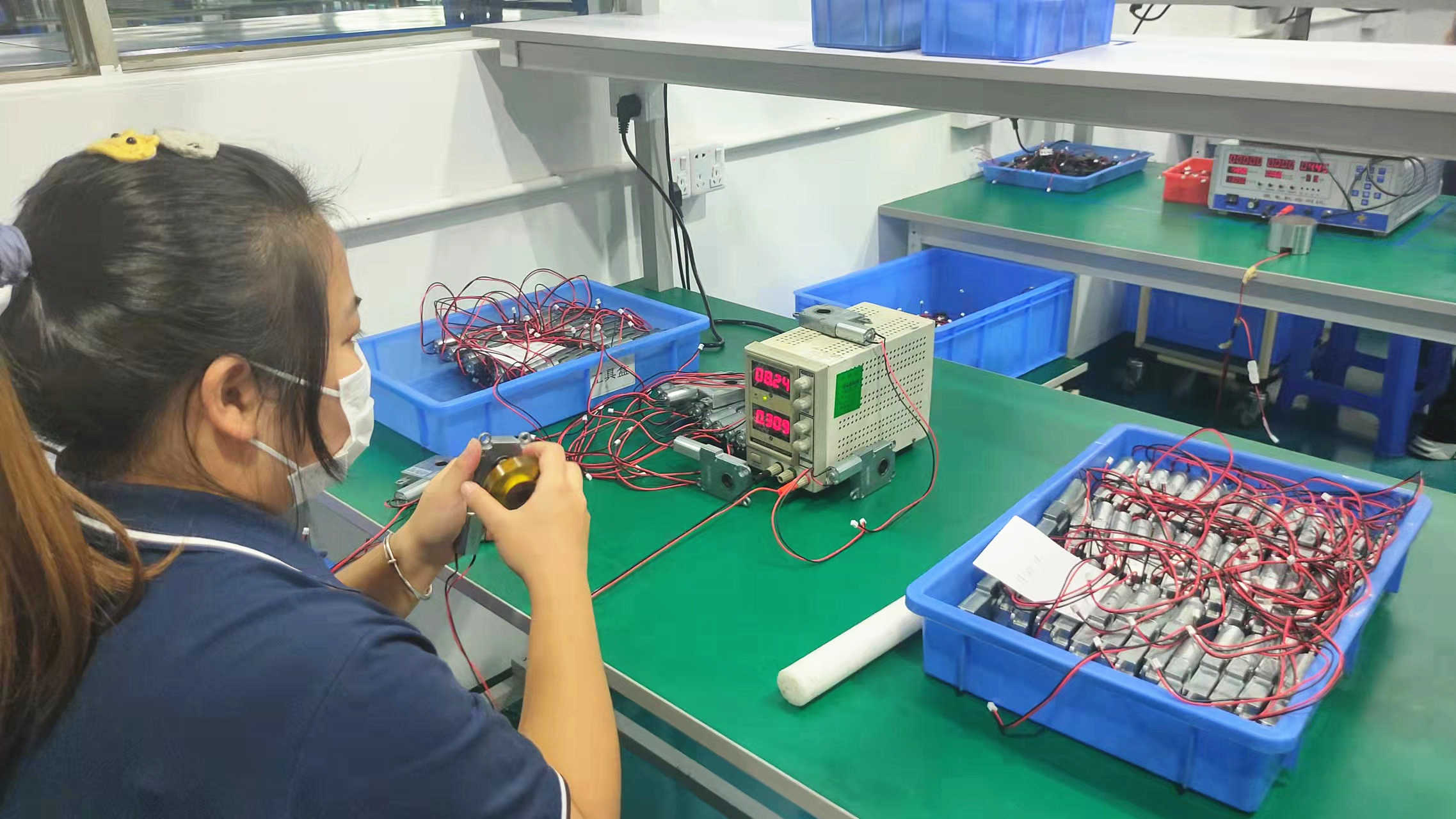
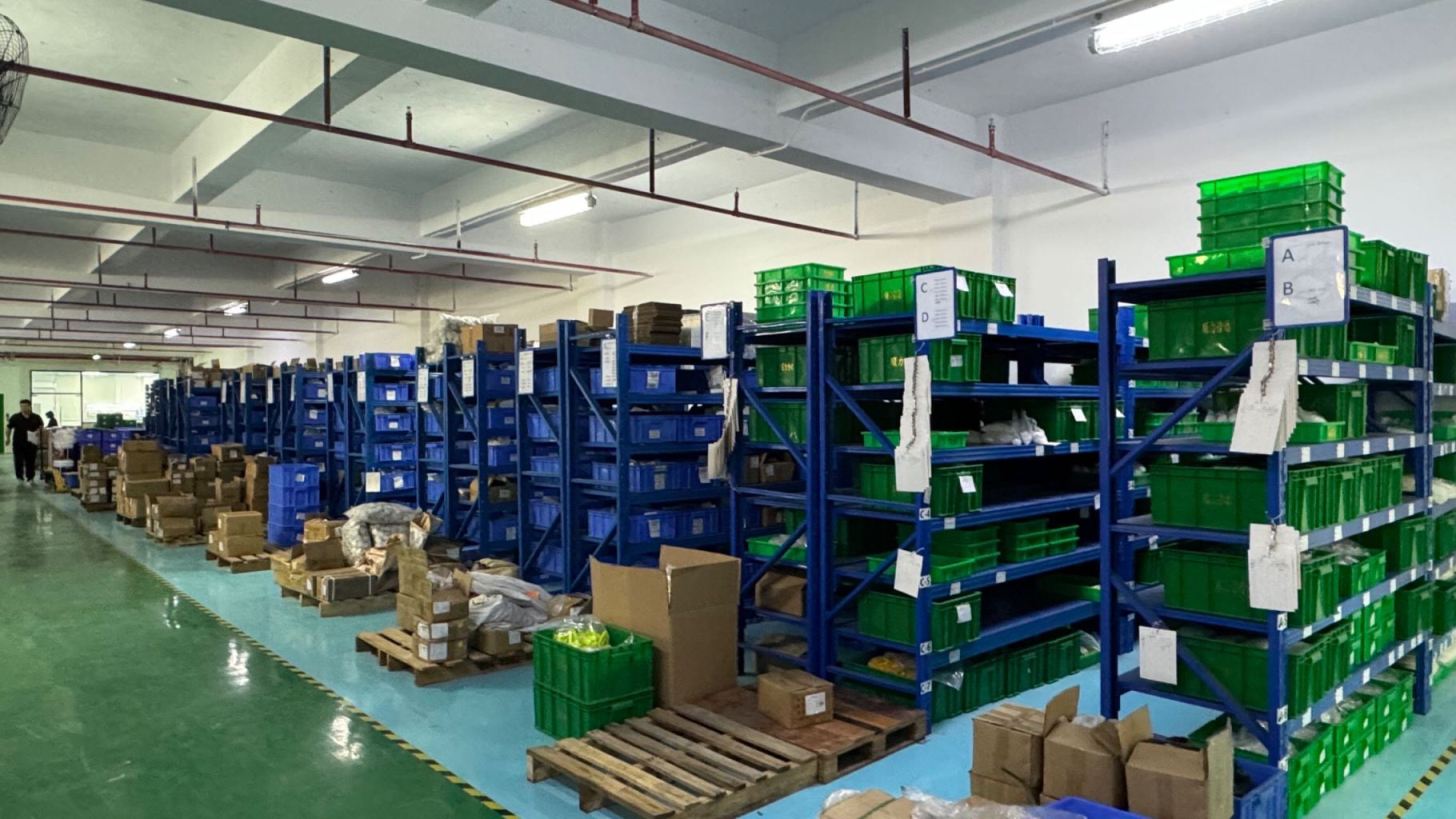
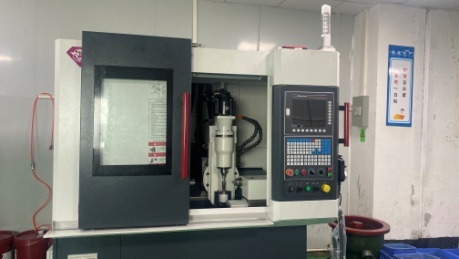
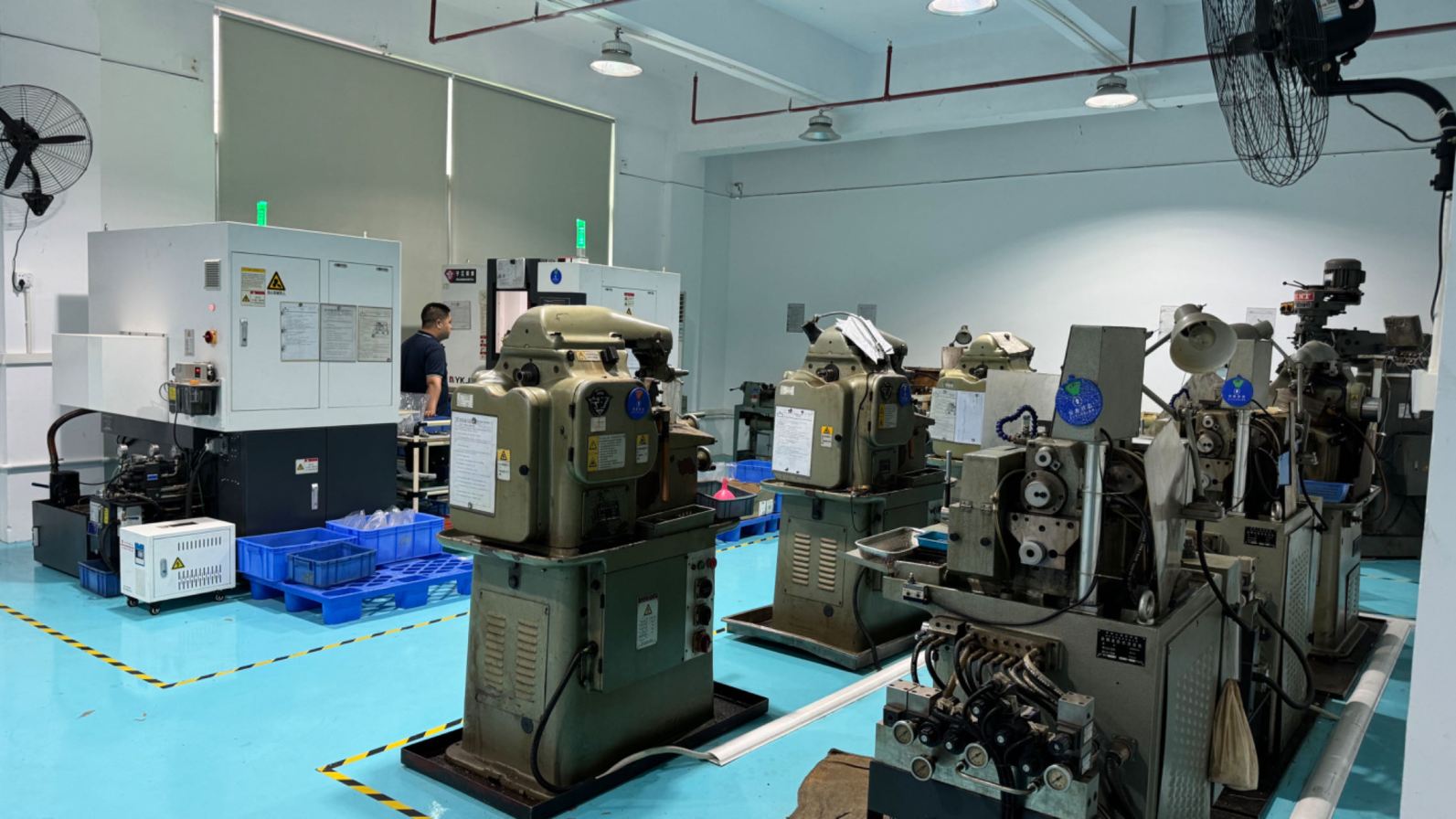
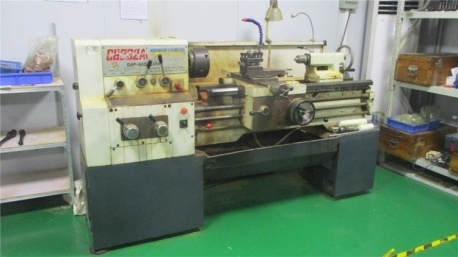
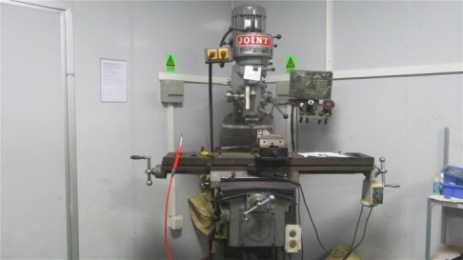
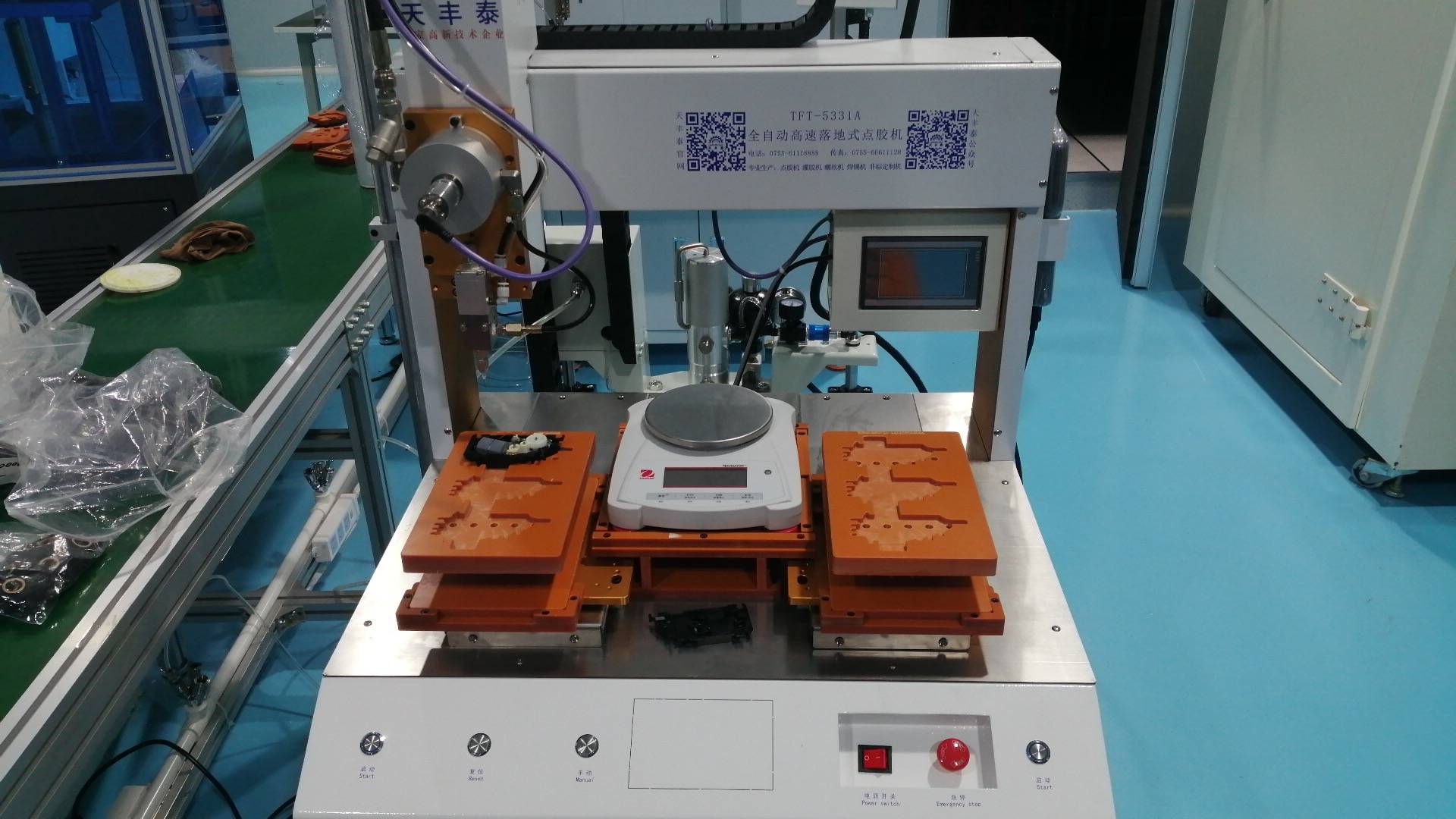
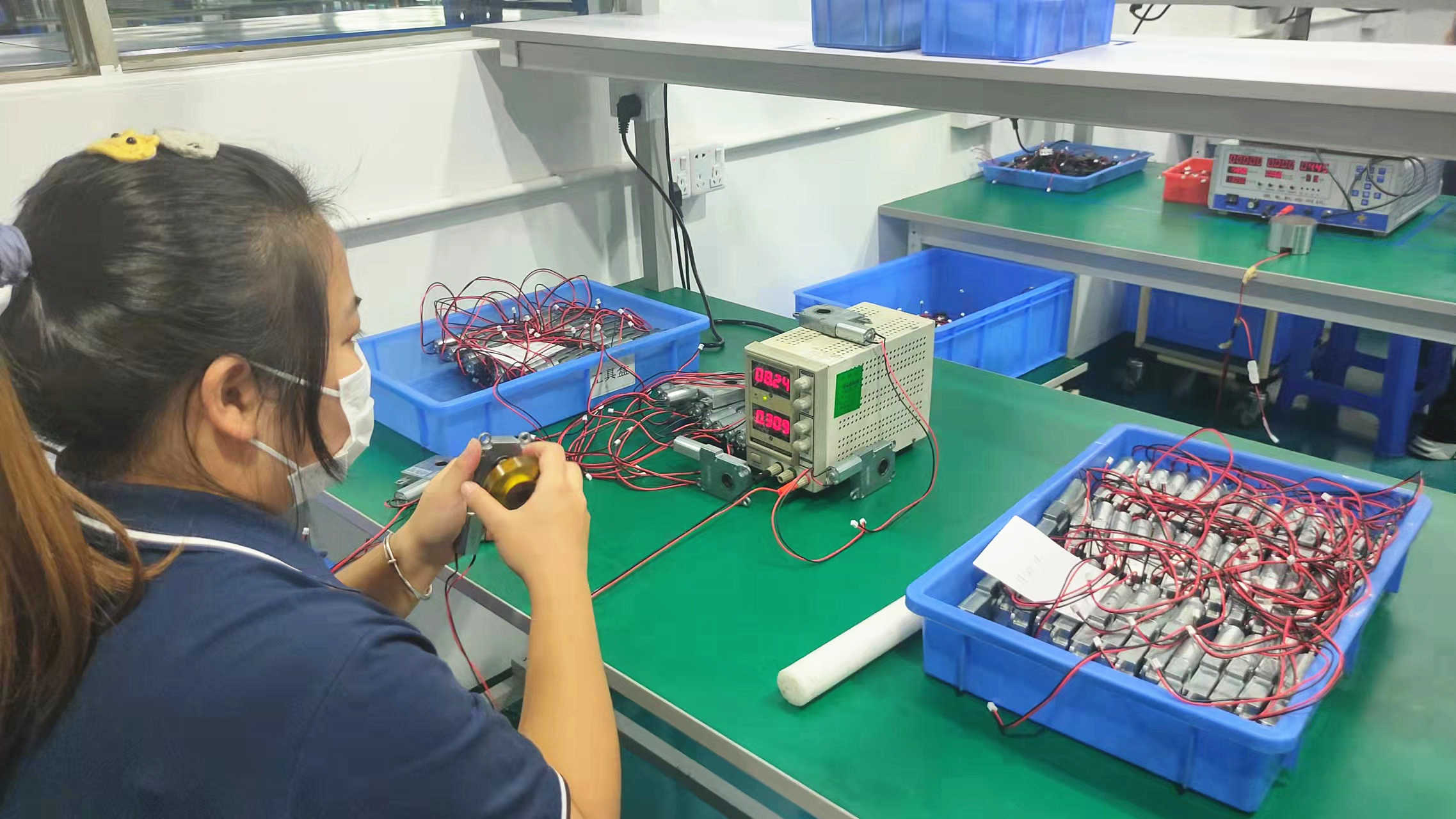
Modern Production Workflow & Advanced CNC Machining
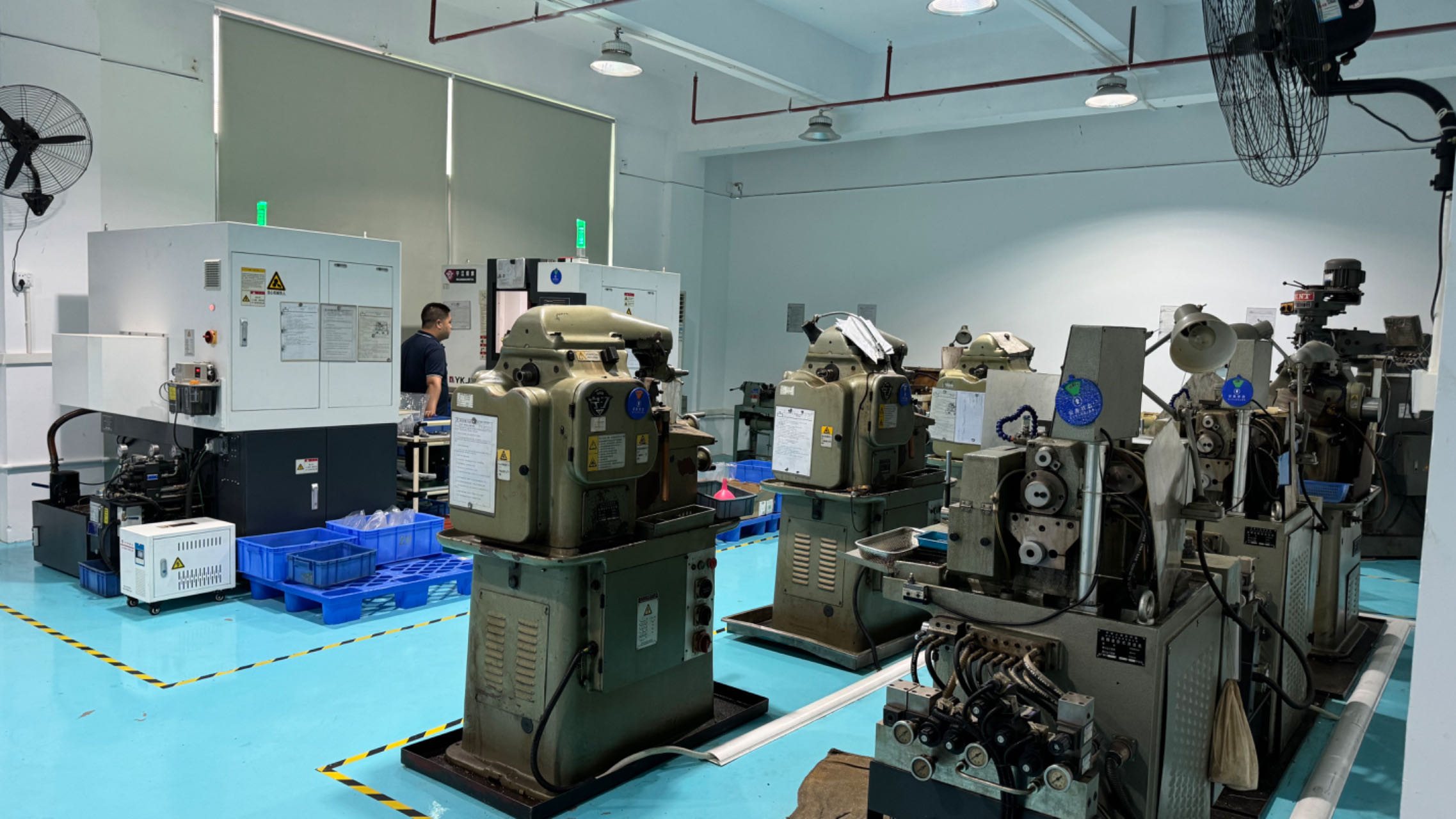
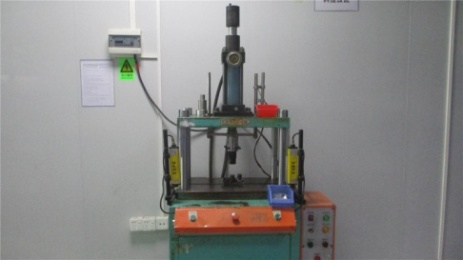
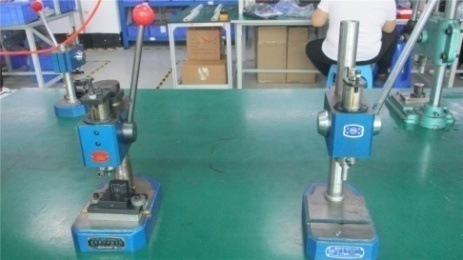
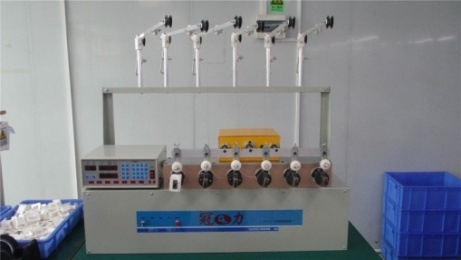
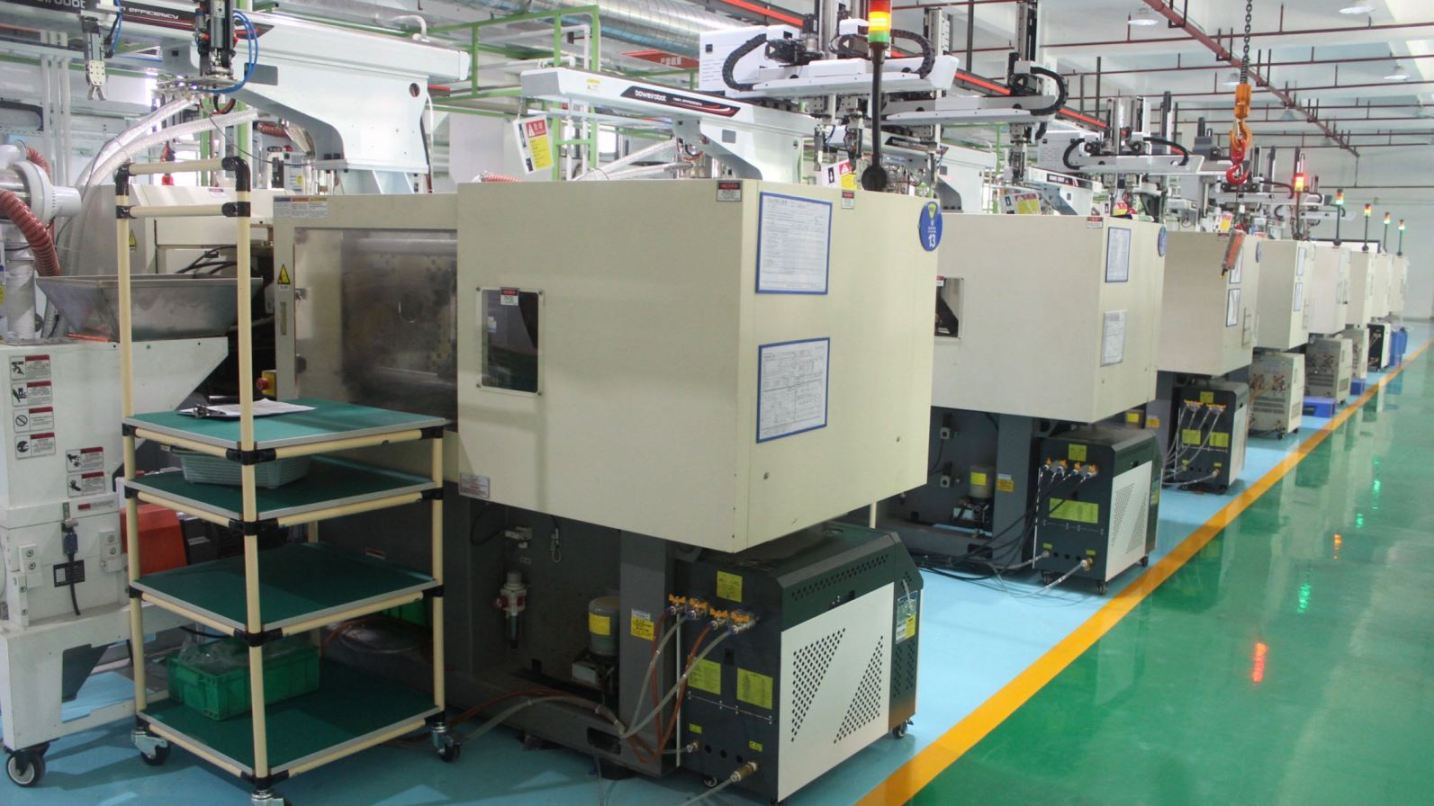
Take an inside look at how raw materials are transformed into certified high-precision motion control components using industry-standard Swiss and Japanese tooling.

Macro Industry Solutions & Integration Capabilities
Industrial components do not operate in a vacuum. The design of micro-gear systems and actuators must align directly with the macro requirements of the system host. Our mechanical engineering portfolio directly supports these core sectors:
Smart Lock & Access Automation
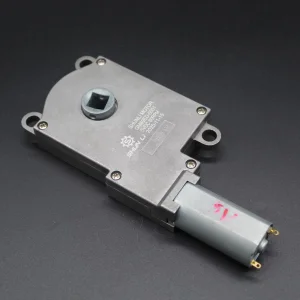
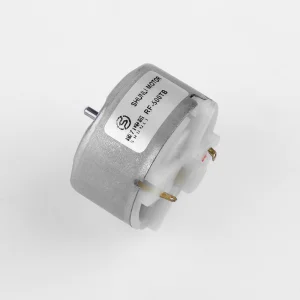
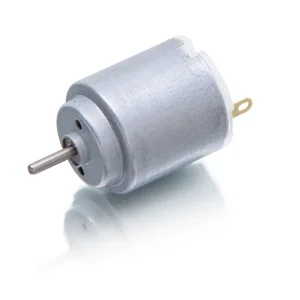
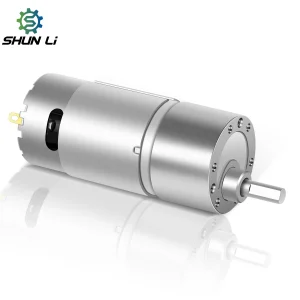
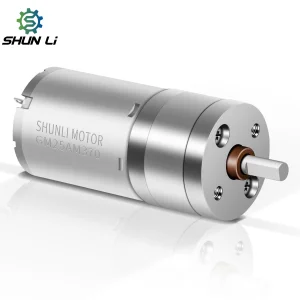
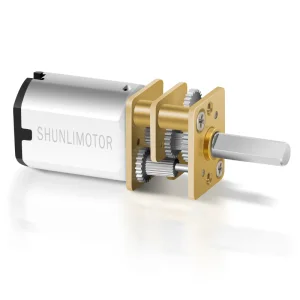
Micro-drives (such as the Small Battery Powered DC Motor and N20 Micro DC Geared Motor) provide the essential actuation torque for advanced commercial and residential smart locks. Design focus is placed on standby energy savings, high starting torque, and mechanical gear override mechanisms.
HVAC Valves & Fluid Control
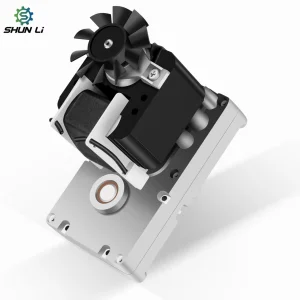
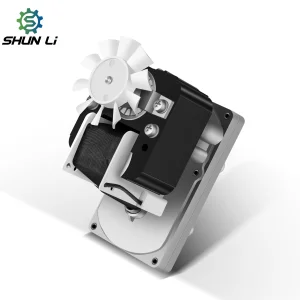
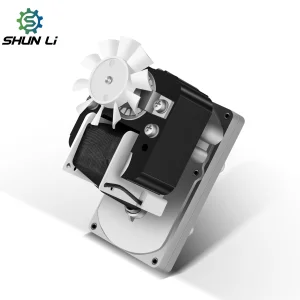
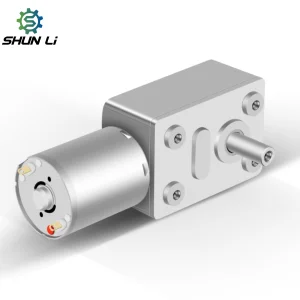
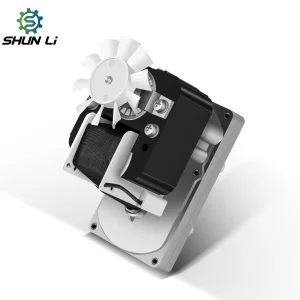
Precision right-angle worm gearboxes and shaded pole motors are designed to operate under sustained thermal cycles. Reliable rotary actuators ensure precise flow adjustment in commercial ventilation and automated water valve manifolds.
Robotics & Precision Manipulators
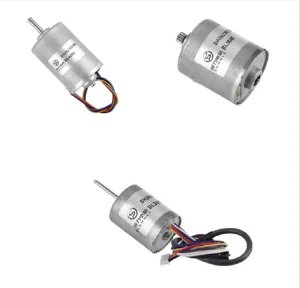
Utilizing high-power brushless DC motors combined with multi-stage planetary reducers, we supply the torque density and low backlash necessary for robotic joints, picking systems, and robotic process automation (RPA).
China Industry 4.0: Supply Chain Resilience and Efficiency
The global manufacturing ecosystem faces continuous volatility. China's Industry 4.0 supply chain is built on vertical integration—the clustering of material processing, chemical treatments, precision machining, and logistics within localized zones. Our manufacturing operations at Micprec Motor exploit these structural efficiencies to deliver consistent cost-to-performance ratios and short lead times.
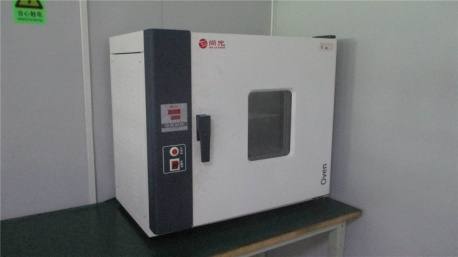
Rather than outsourcing critical parts, our in-house capabilities span CNC lathing, wire-cutting EDM, injection molding, automatic winding, and comprehensive environmental testing. This structural design minimizes external supply chain friction, ensuring that large-scale global shipments remain unaffected by sudden logistics shifts.
The Importance of Verification Testing in B2B Procurement
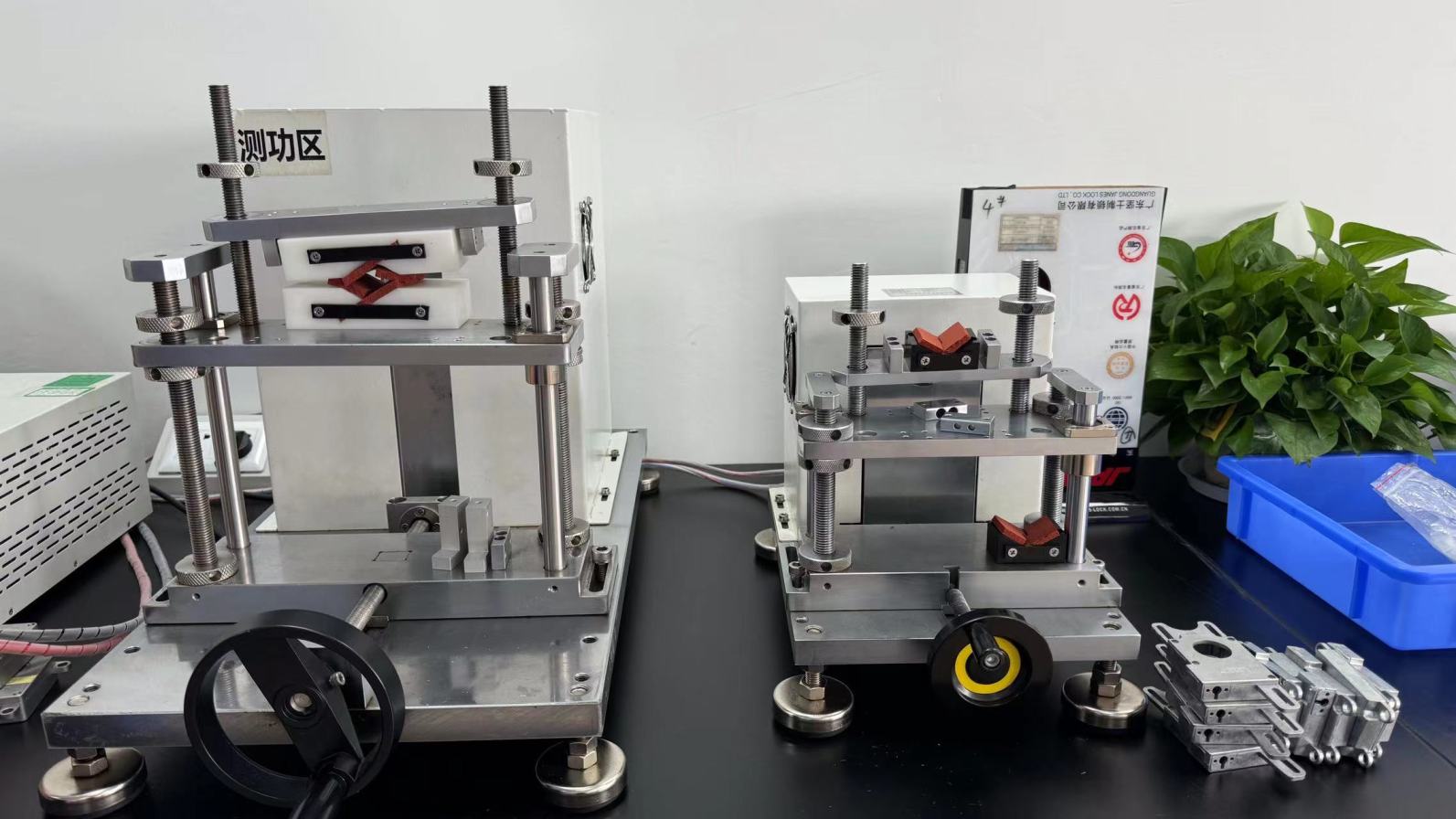
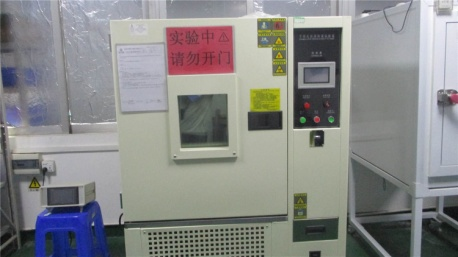
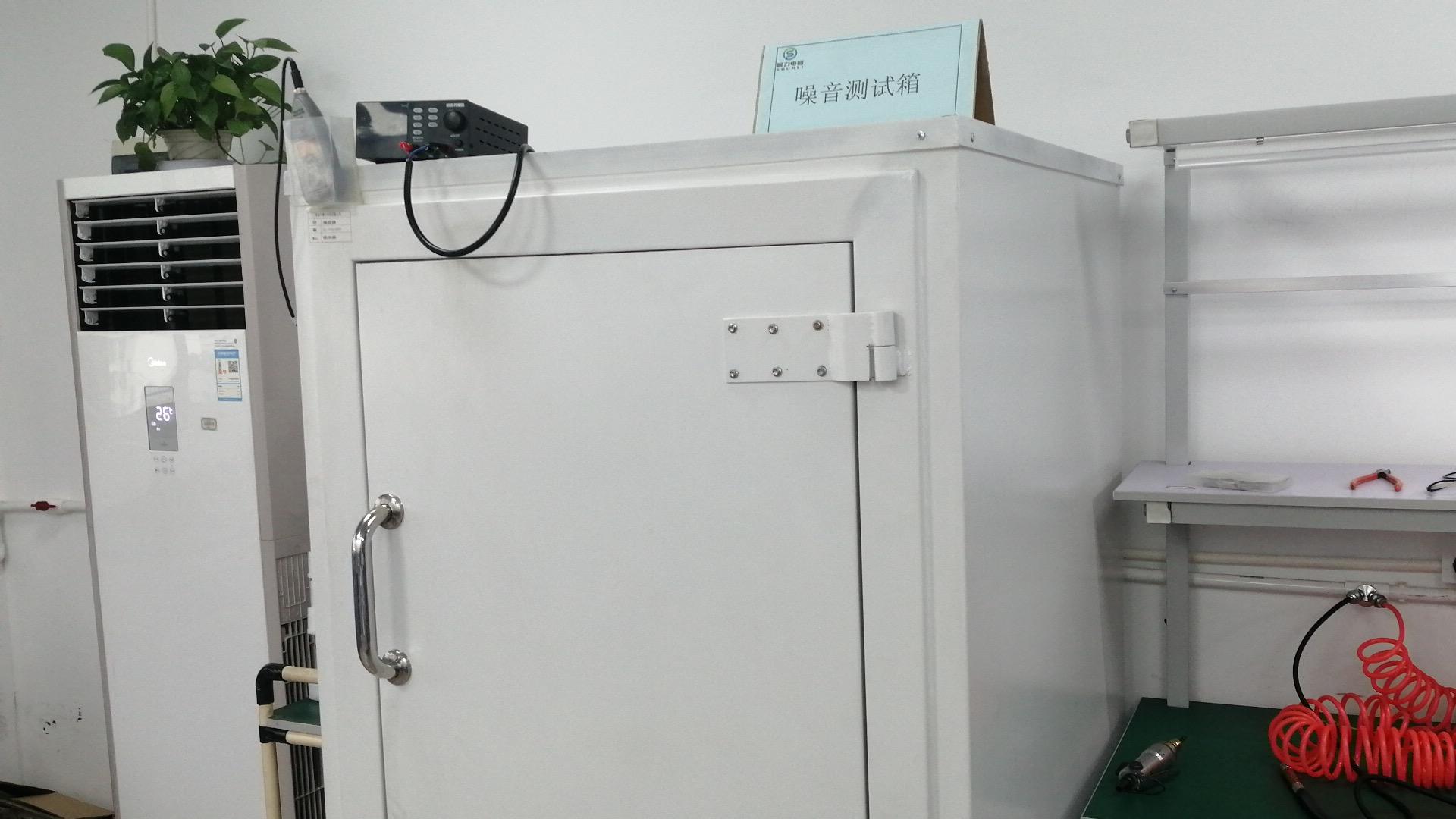
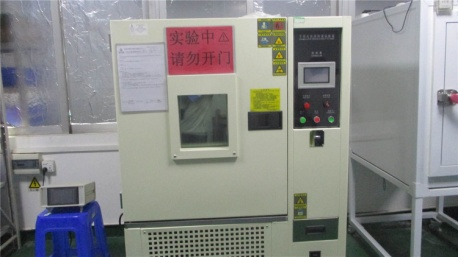
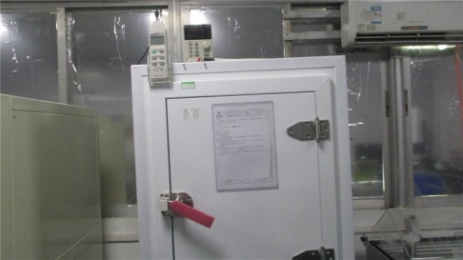
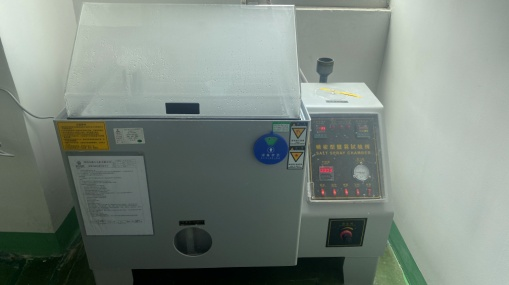
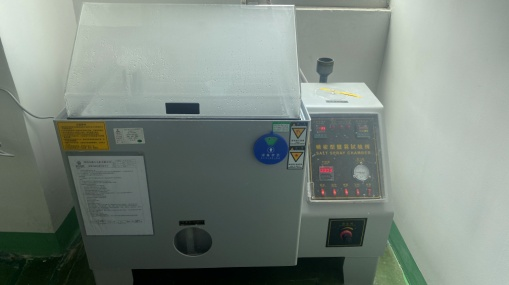
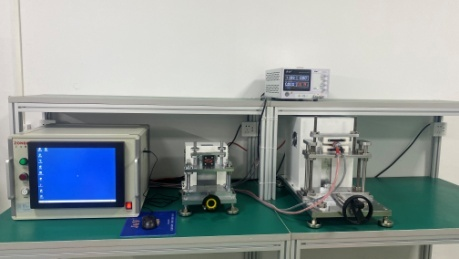
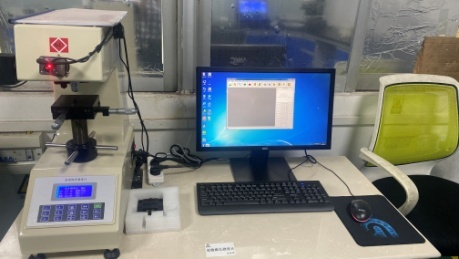
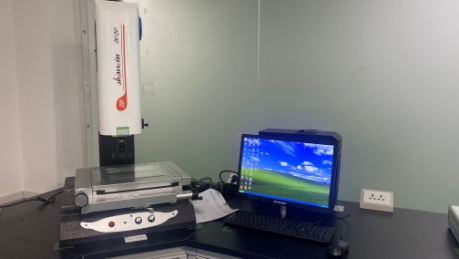
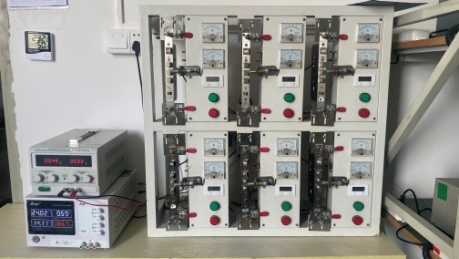
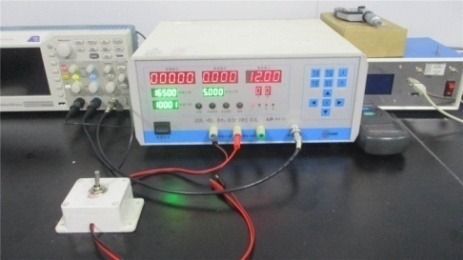
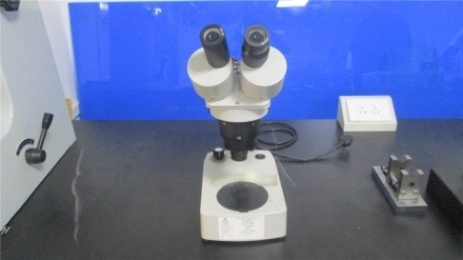
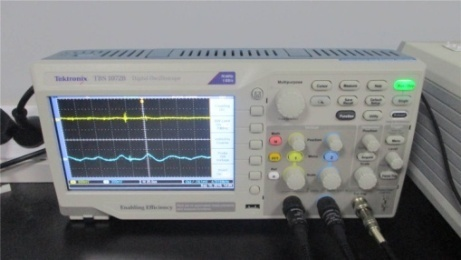
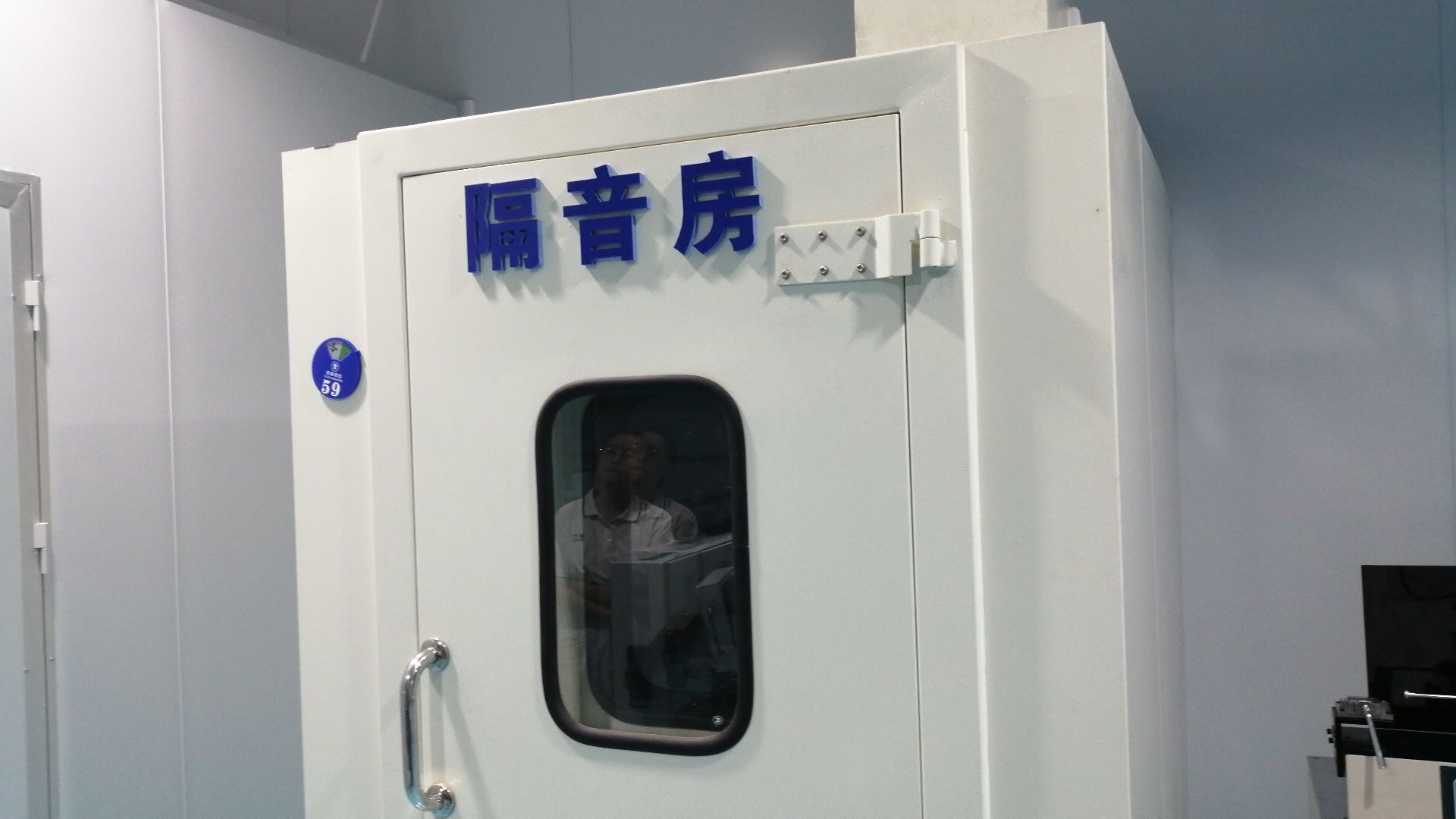
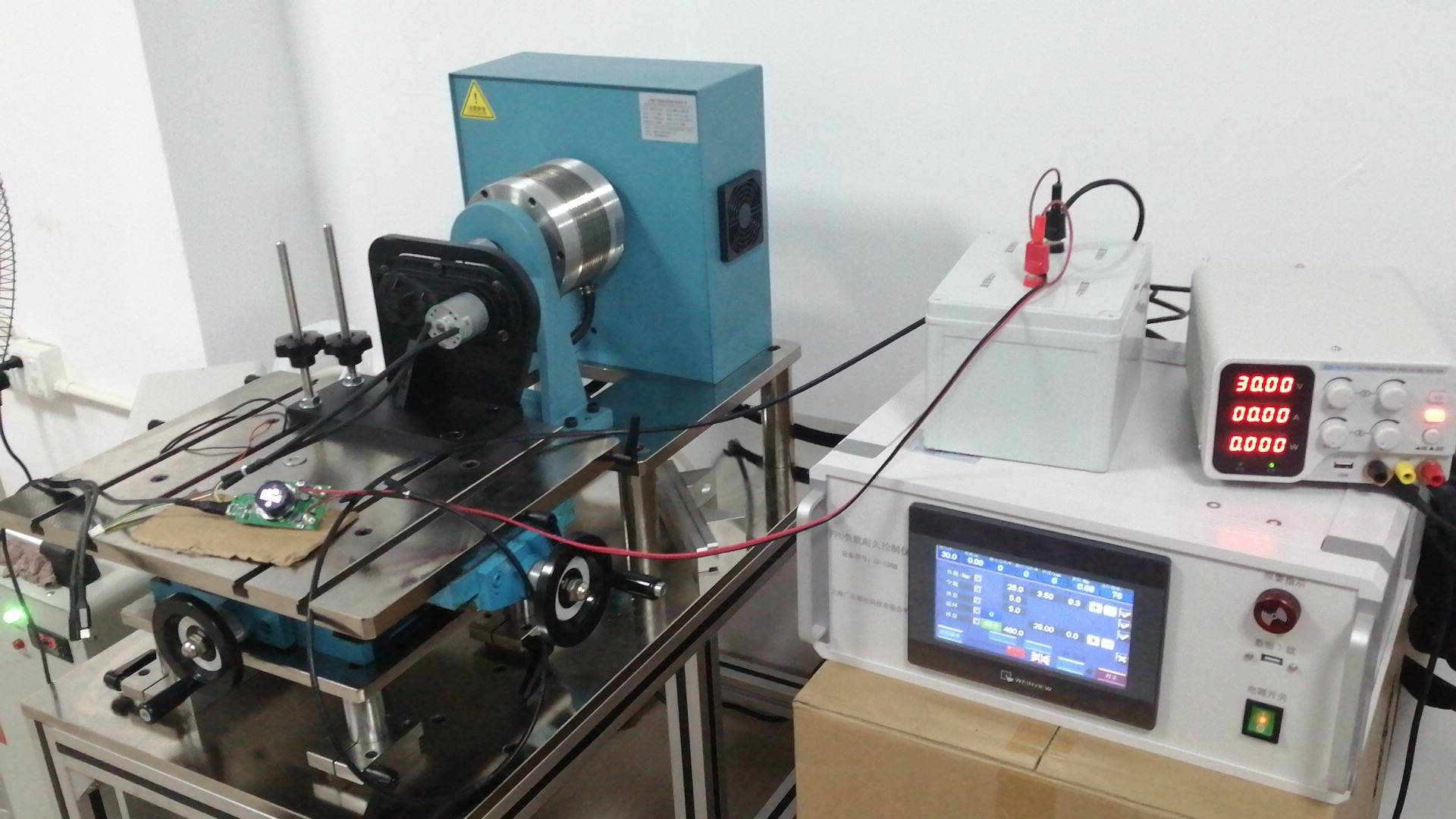
A reliable supplier must prove engineering specifications through diagnostic verification. Micprec Motor utilizes an extensive array of metrology and testing chambers, including programmable constant temperature and humidity chambers, salt spray testing equipment, dynamometers, hardness testers, video measuring machines, and specialized soundproof rooms to guarantee compliance before shipment.
Compliance, Standardization & Localization Support
For B2B buyers sourcing from China, regulatory compliance is non-negotiable. Importing custom components that lack proper documentation risks port customs seizures, legal liabilities, or downstream recalls. Our products carry comprehensive certifications:
- CE Marking: Verification that all AC and DC gear motors meet European Union safety, health, and environmental protection requirements.
- RoHS & REACH Compliance: Guaranteeing that all components are free of restricted hazardous substances, ensuring safety throughout product life cycles and disposal.
- ISO9001:2015: The foundation of our quality management system, confirming document control, manufacturing consistency, and corrective action loops.
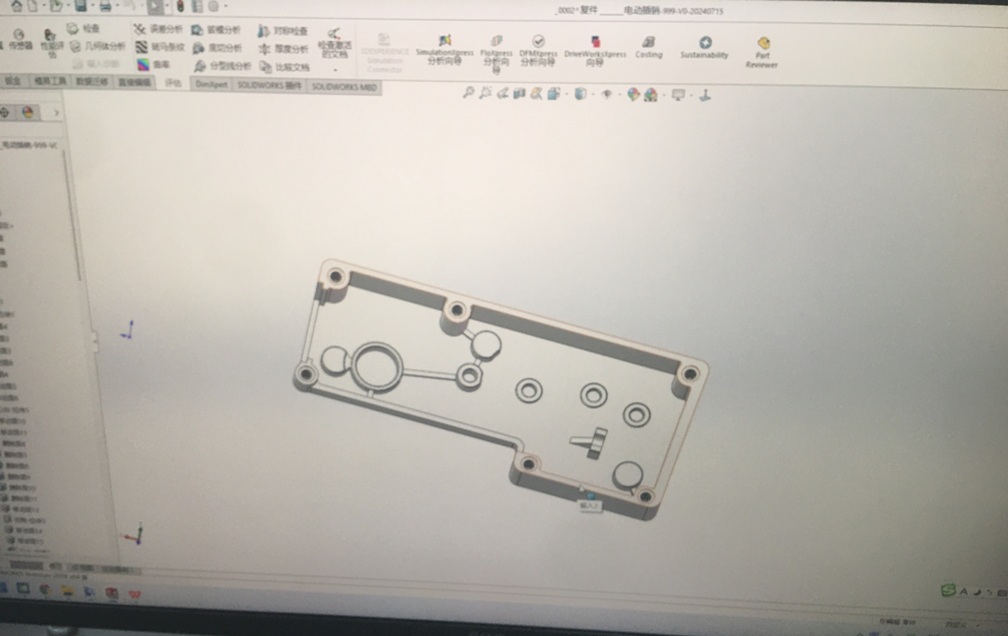
Furthermore, Micprec Motor maintains dedicated localization support channels. We offer design-in support for global engineering divisions, rendering native CAD/STEP models, running structural stress simulations, and providing quick-turn prototyping services to fast-track your time-to-market.
Industrial Q&A and Sourcing FAQ
Direct technical answers to common B2B procurement queries regarding micro gear motors, actuator drivers, and custom engineering parameters.
Advanced AC & DC Rotary Actuation Drive Units
High-torque shaded pole, AC geared, and micro-stepper motors designed for continuous processing, oven rotisseries, and industrial valves.