Micprec Motor
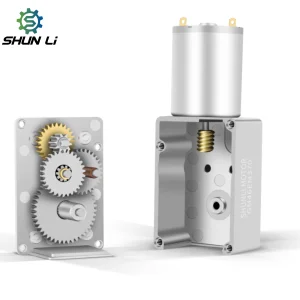
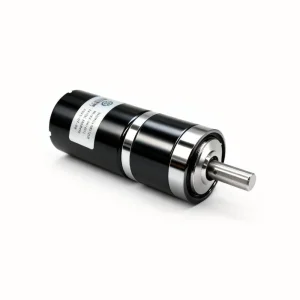
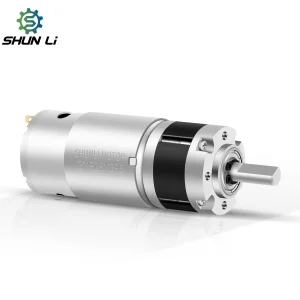
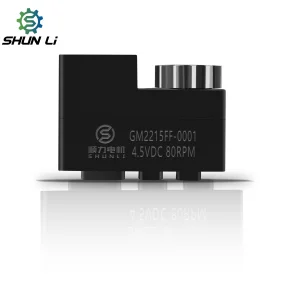
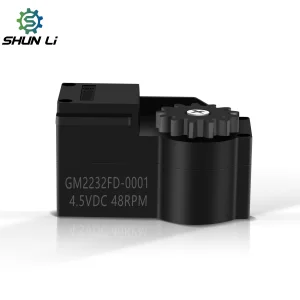
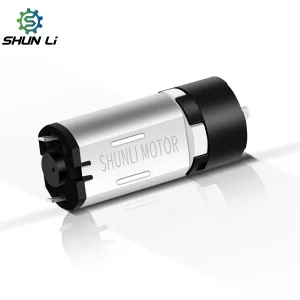
Featured Micro-Drive & Planetary Gear Motor Inventory
Explore our high-performance baseline configurations, engineered with materials capable of adaptation to specialized thermal requirements and micro-machining control.
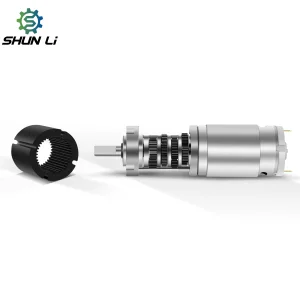
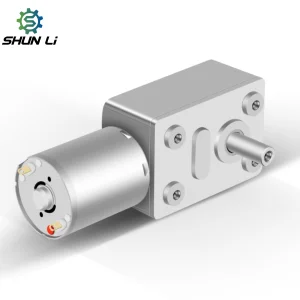
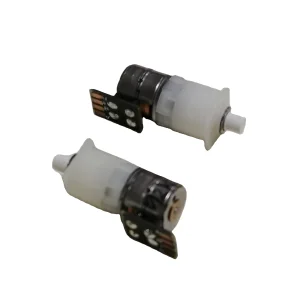
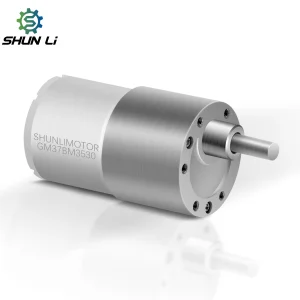
The Physics and Engineering Frontiers of Cryogenic Electromechanical Systems
1. Cryogenic Tribology & Lubrication
Conventional wet lubricants freeze solid at cryogenic temperatures, causing instant rotor lock. Our engineering team utilizes advanced dry film lubrication (e.g., tungsten disulfide WS2 and molybdenum disulfide MoS2) coupled with hybrid silicon nitride (Si3N4) ceramic bearings. This eliminates chemical degradation, avoids thermal freezing, and guarantees low breakaway torque in extreme sub-zero zones.
2. Thermal Contraction Management
Different materials contract at varying rates under cryogenic conditions. A mismatch in the Coefficient of Thermal Expansion (CTE) between the rotor, stator, and gear train components can result in structural warping or bearing seizure. We run finite element analysis (FEA) models to match CTE profiles, using titanium alloys, high-nickel alloys, and specifically oriented copper-alloy matrices to preserve precise clearances down to 77K.
3. Electromagnetic Integrity
Magnetic materials like Neodymium (NdFeB) face demagnetization risks or structural fracturing under thermal shock, while Samarium Cobalt (SmCo) magnets retain stability but demand custom housing designs. Our cryogenic micro-drives incorporate high-coercivity permanent magnets that are vacuum-baked and hermetically sealed, maintaining flux density and protecting efficiency at liquid nitrogen margins.
"The true measure of a cryogenic motor lies in its ability to manage thermal contraction without losing mechanical clearance or structural integrity. A single micrometer of unexpected contraction can lead to complete subsystem failure in high-value space or scientific setups."
Global Procurement Dynamics: Cryogenic Motor Market Needs
As clean energy, space exploration, and quantum technologies accelerate, international procurement teams face challenging operating environments and specialized application requirements.
Submerged valve actuators, cryogenic liquid pumps, and sensor alignment systems demand continuous operation in deep-cold liquefied natural gas distribution systems.
Lunar exploration equipment, satellite optics focusing, and cryogenic liquid-fuel propulsion valve controls operating under hard vacuum conditions.
Liquid Helium setups supporting HTS power grids, MRI medical imaging arrays, and particle accelerator collimator micro-drives.
Ultra-High Vacuum environments demanding low outgassing rates (TML < 1%, CVCM < 0.1%) to prevent critical sensor and sample contamination.
Smart Manufacturing for a Sustainable Future
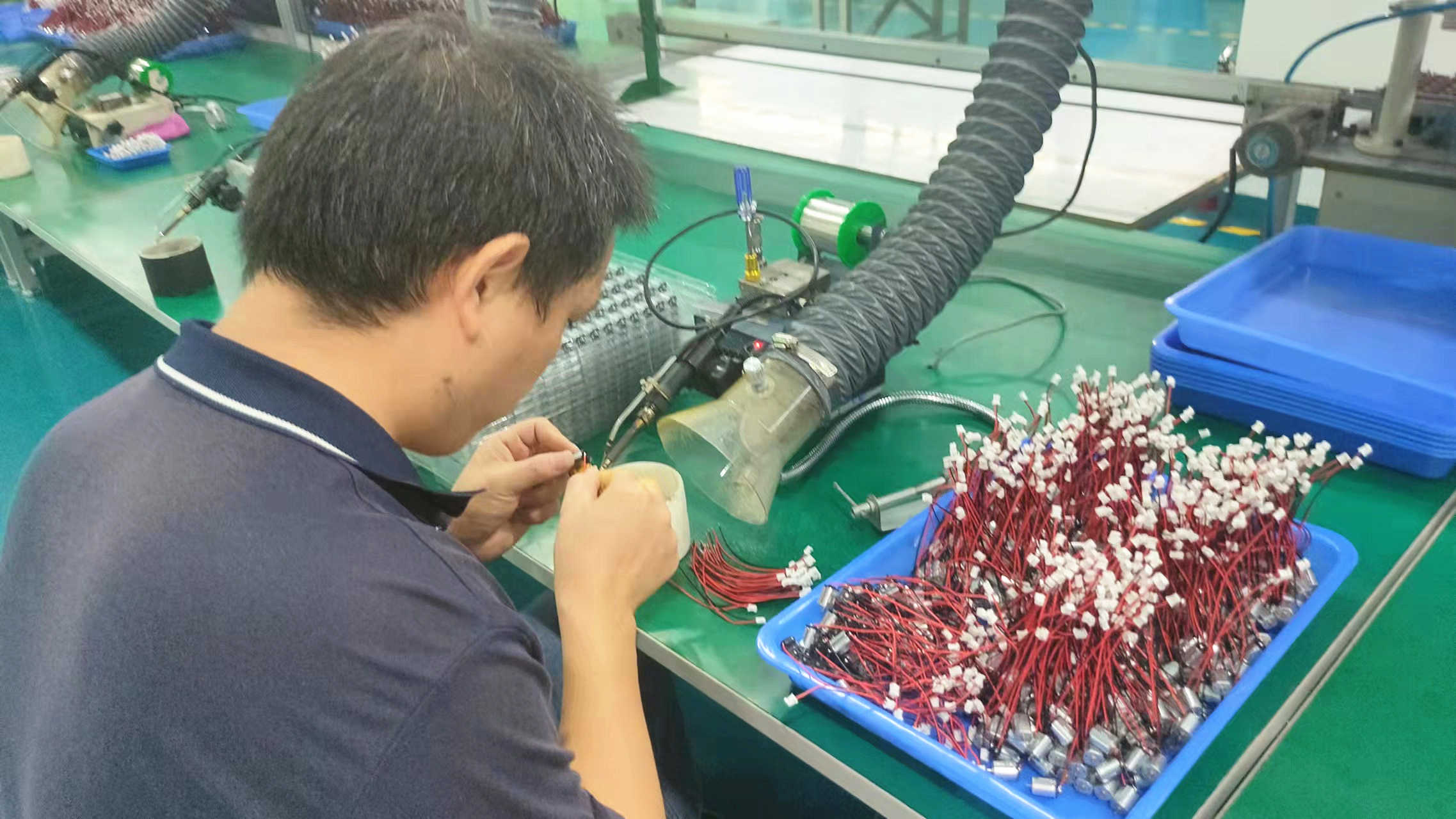
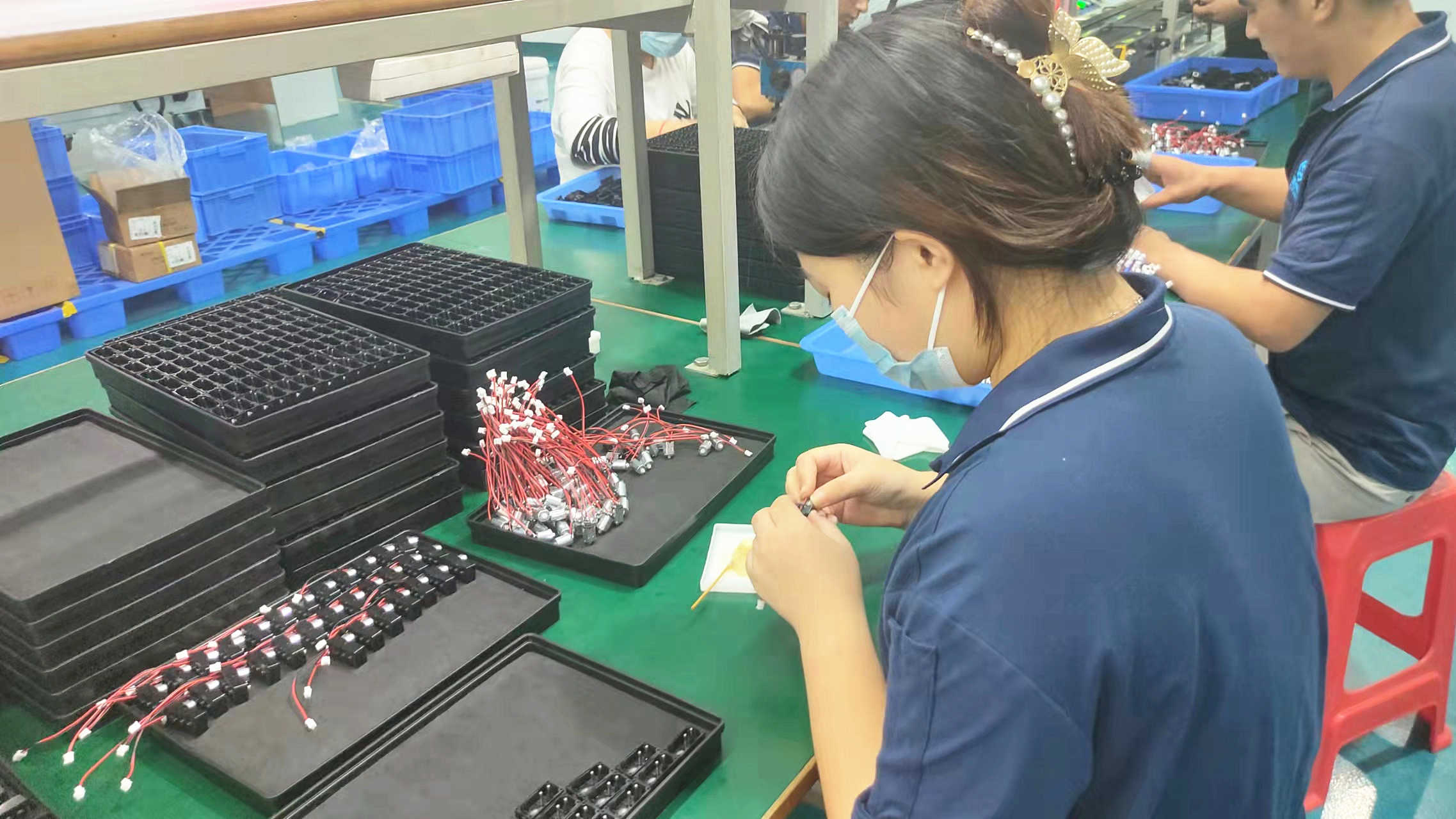
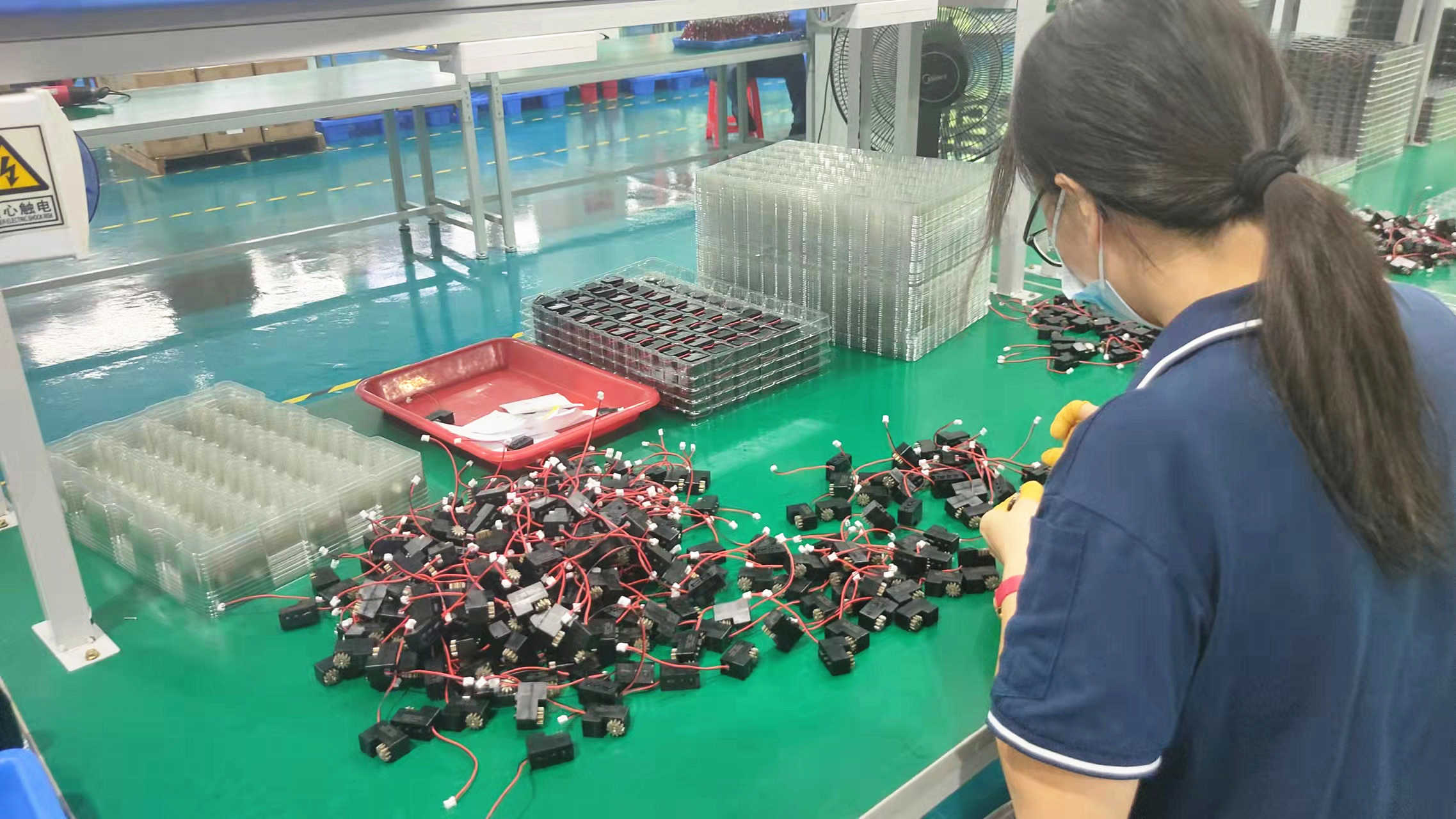
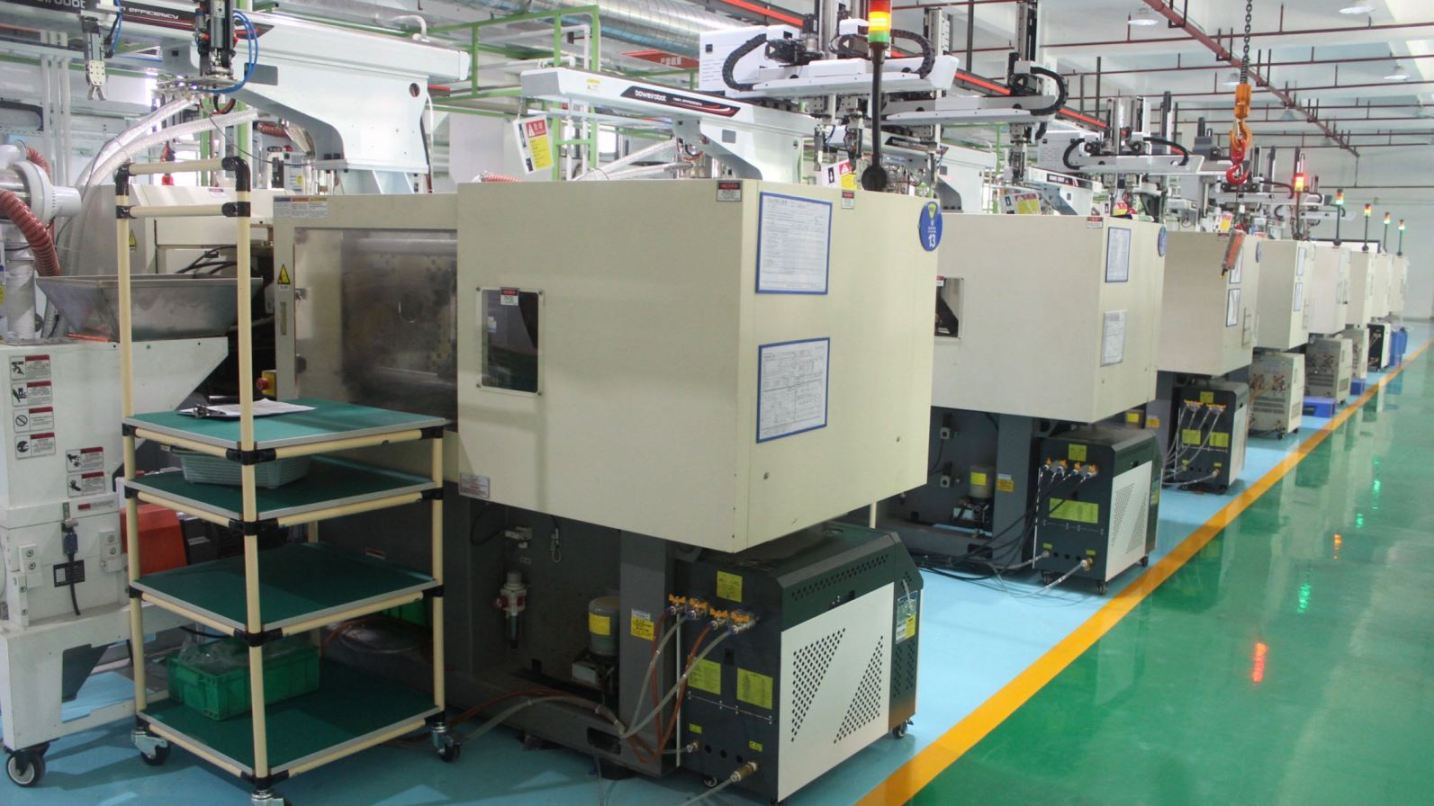
Welcome to the future of micro-drive manufacturing. Micprec Motor operates a state-of-the-art facility designed for efficiency, precision, and sustainability. As a leading China exporter of micro DC and brushless motors, we combine twenty years of industrial heritage with a forward-thinking approach to lean automated manufacturing.
Quality and compliance are embedded in our DNA. Our entire production ecology conforms to rigorous international standards, including ISO9001, CE, RoHS, and REACH. By investing heavily in automated assembly lines and eco-friendly manufacturing processes, we ensure absolute consistency across high-volume production runs while minimizing our carbon footprint.
When you choose Micprec Motor, you are not just choosing a supplier; you are choosing a responsible, transparent global supply chain partner committed to powering your products with high-efficiency, energy-saving motion control solutions.
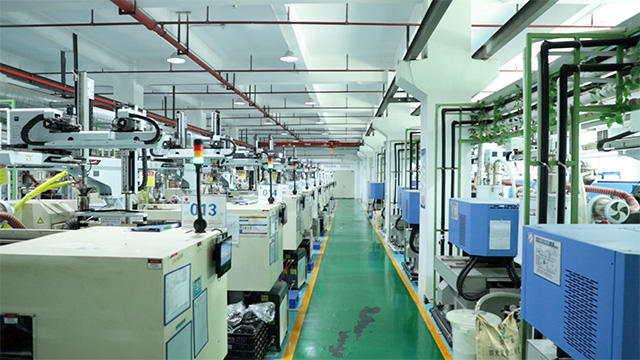

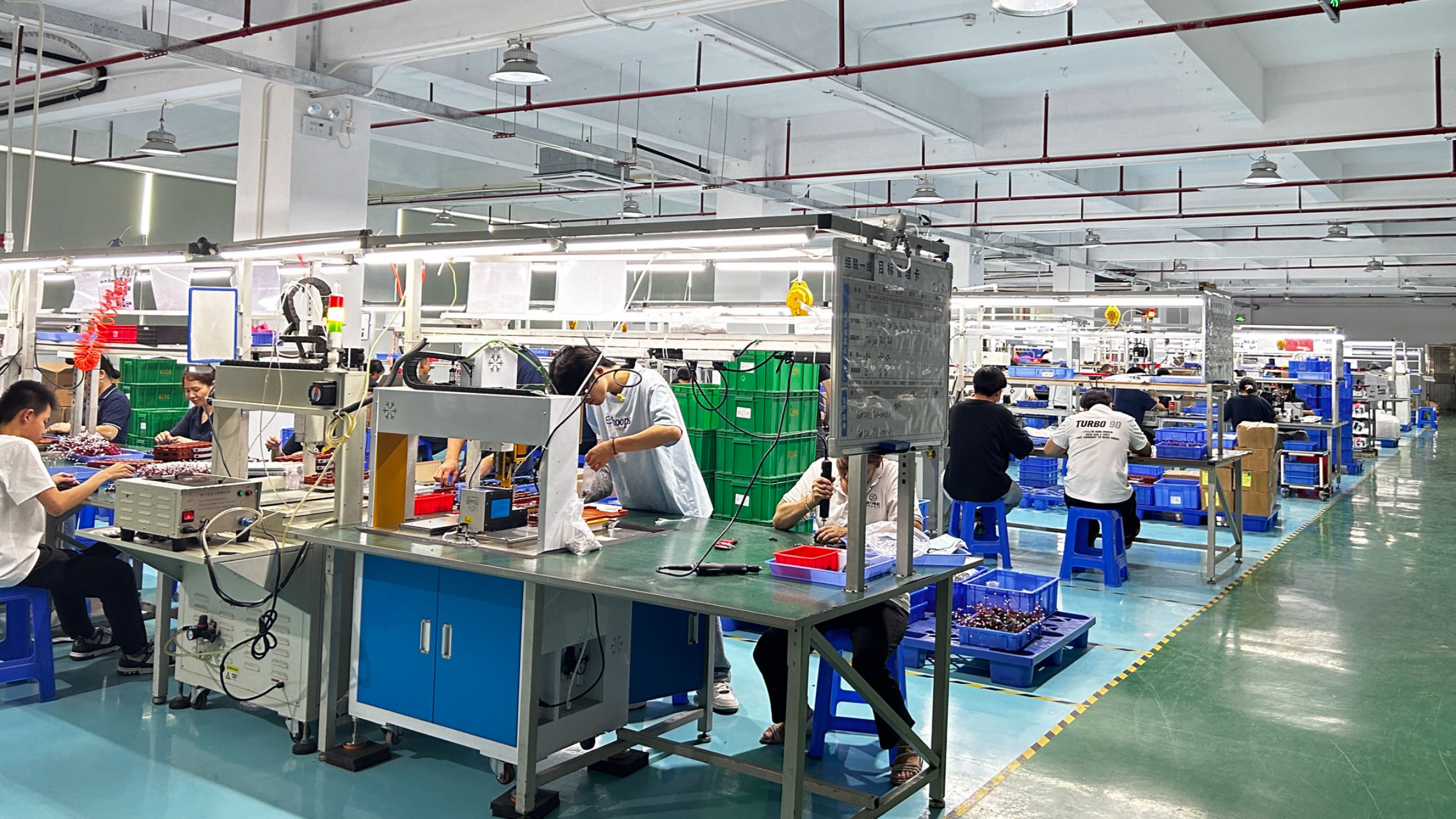
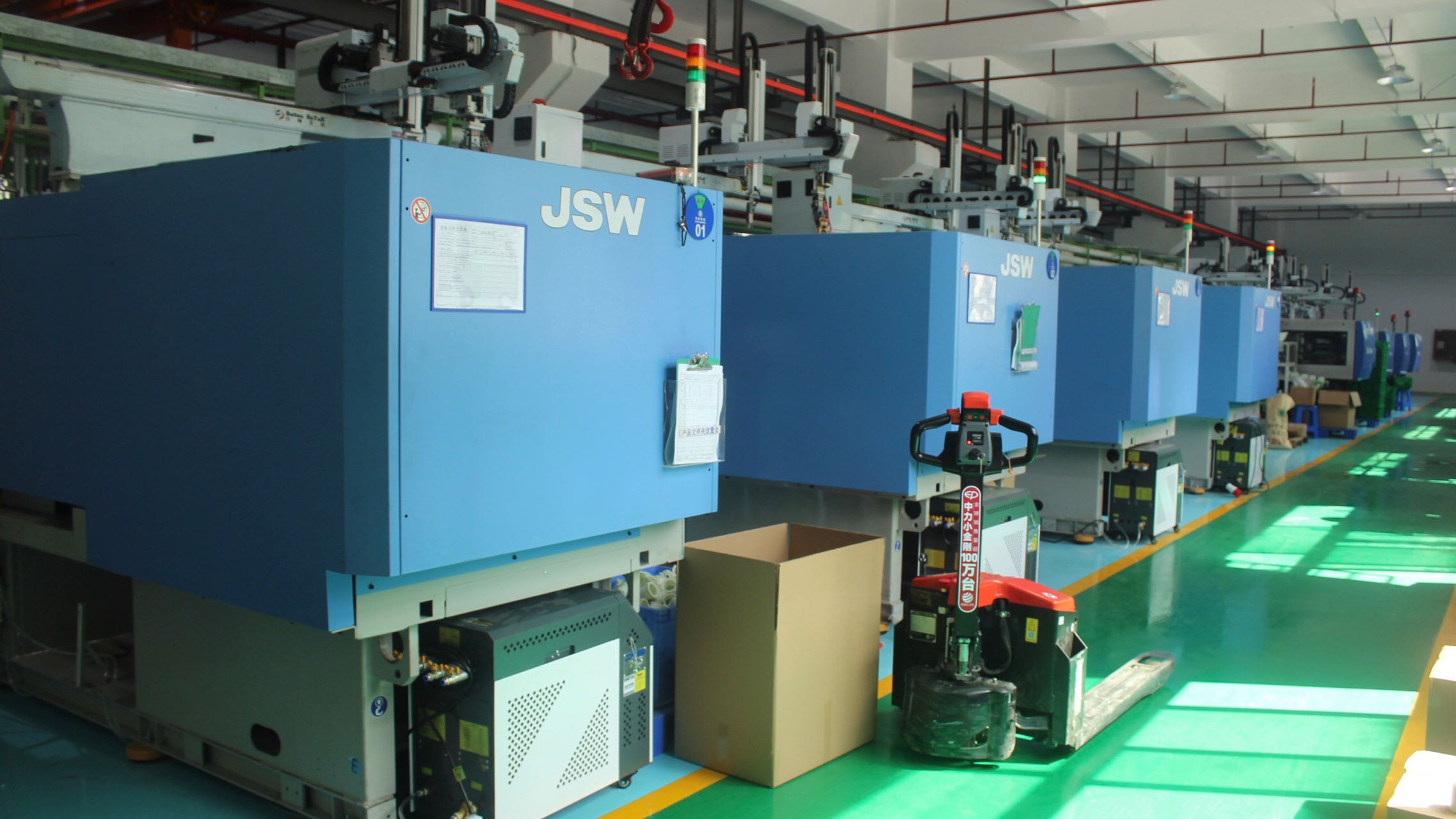
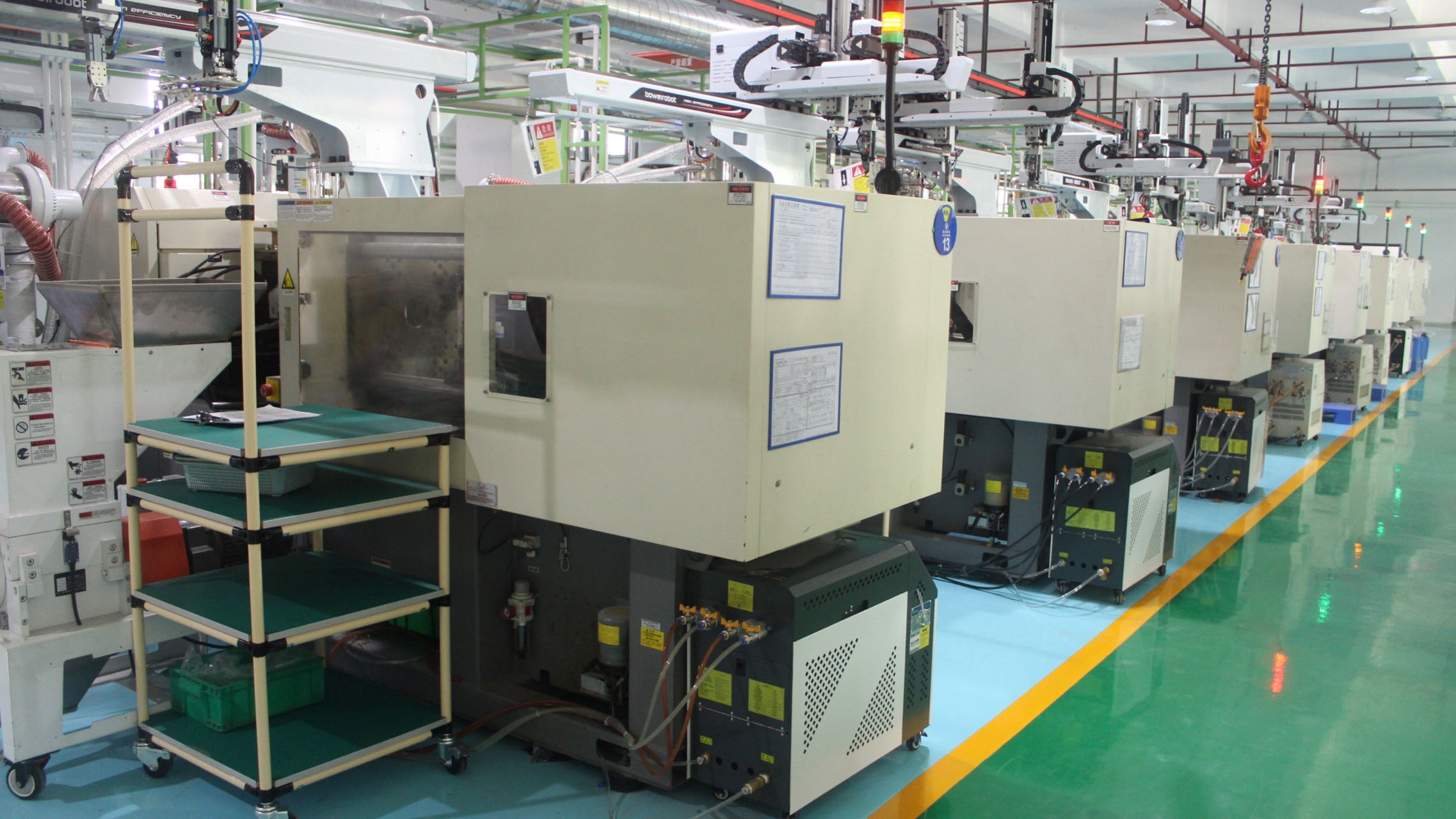
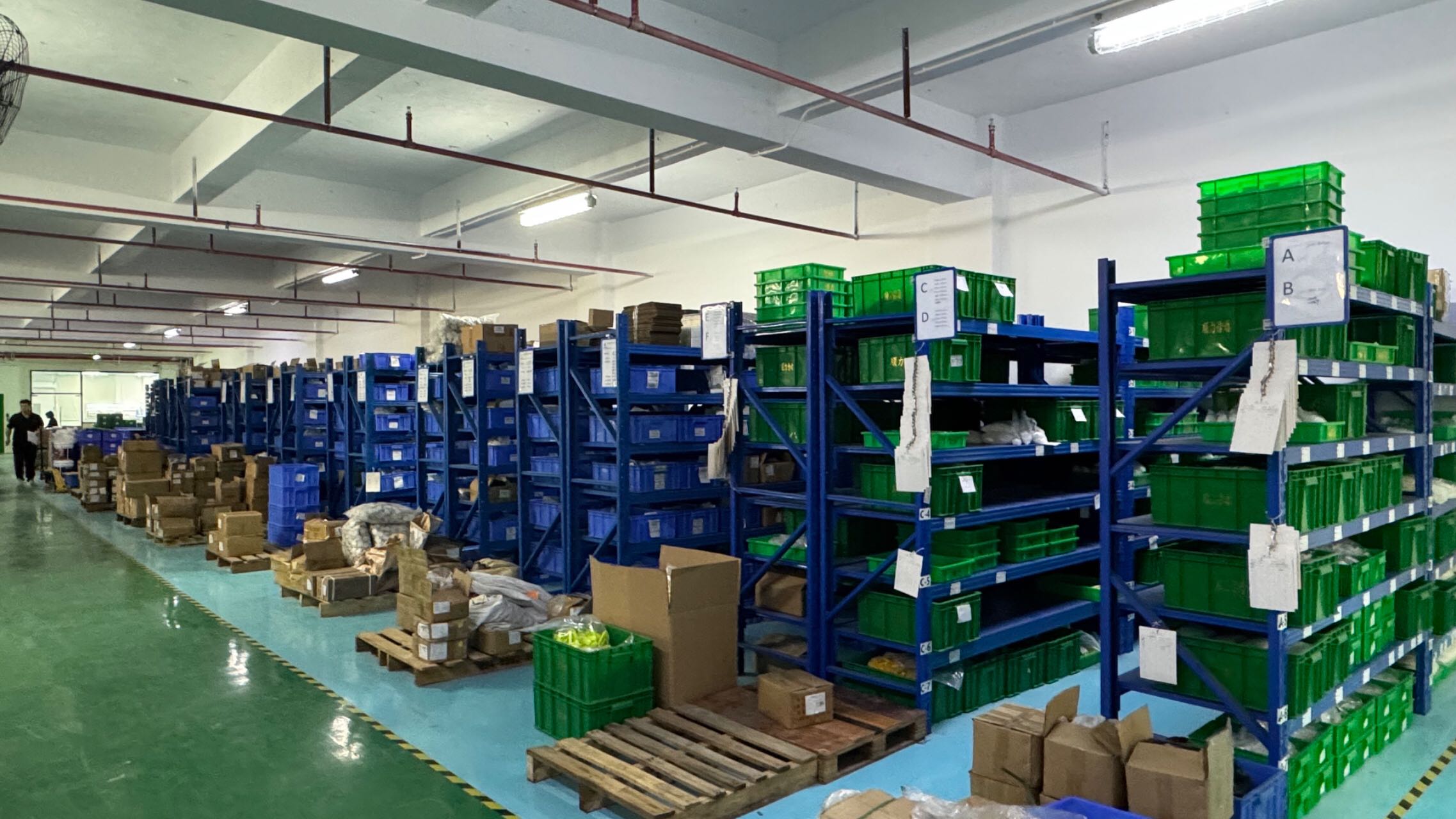
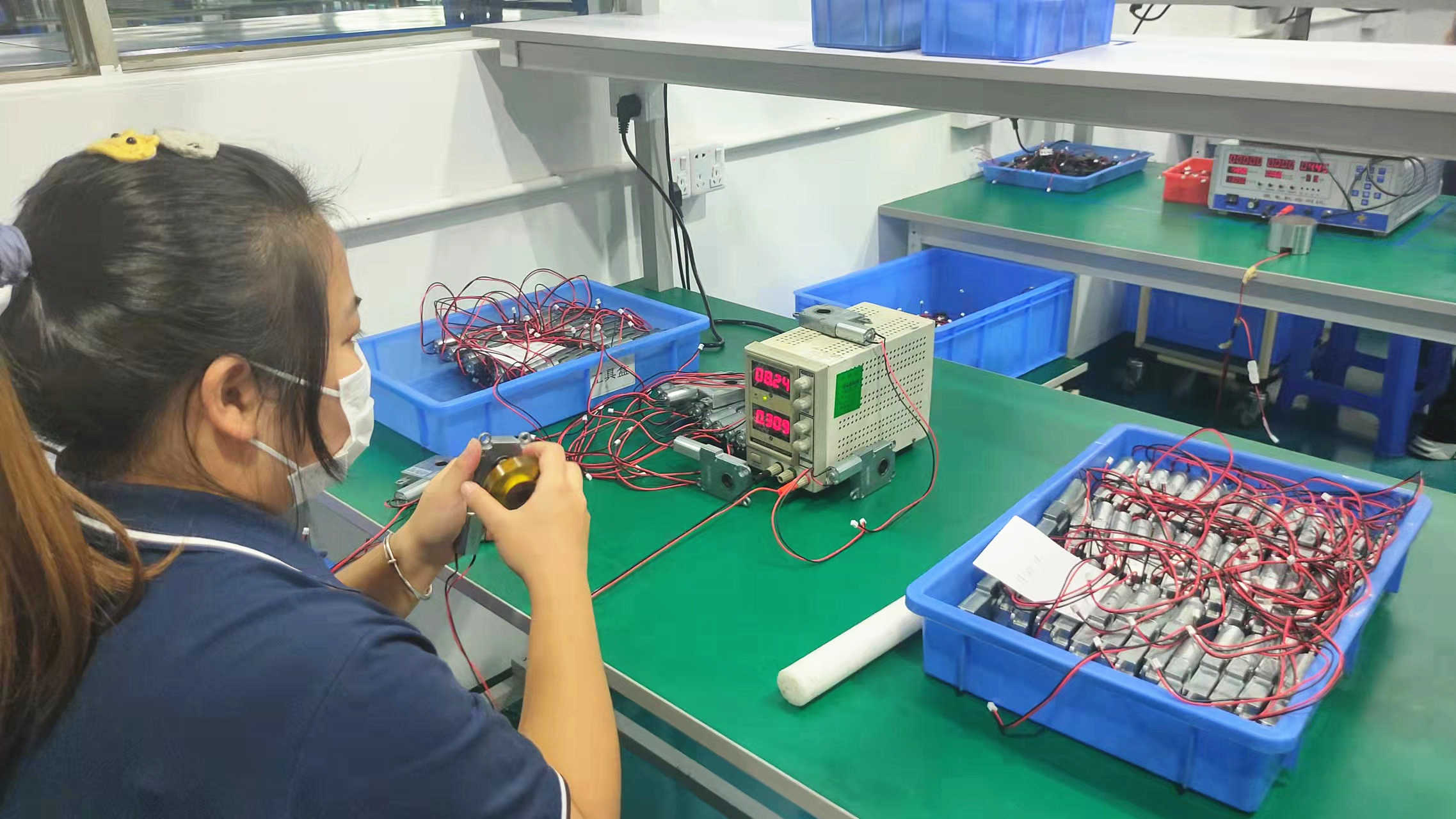
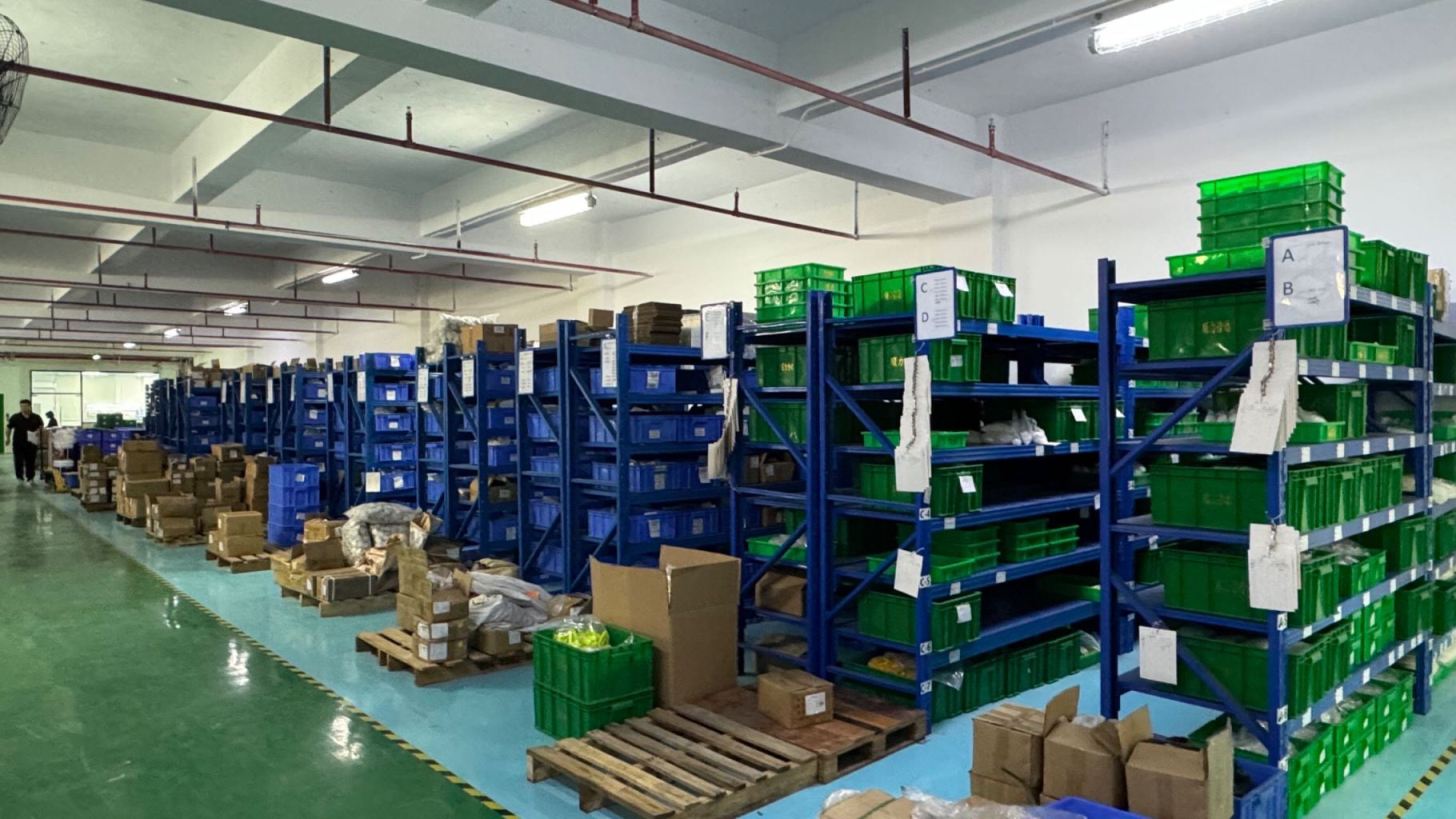
Our Standard Production Assembly Line
Every step in our production flow is closely monitored to ensure the dimensional consistency and performance required for specialized sub-systems.
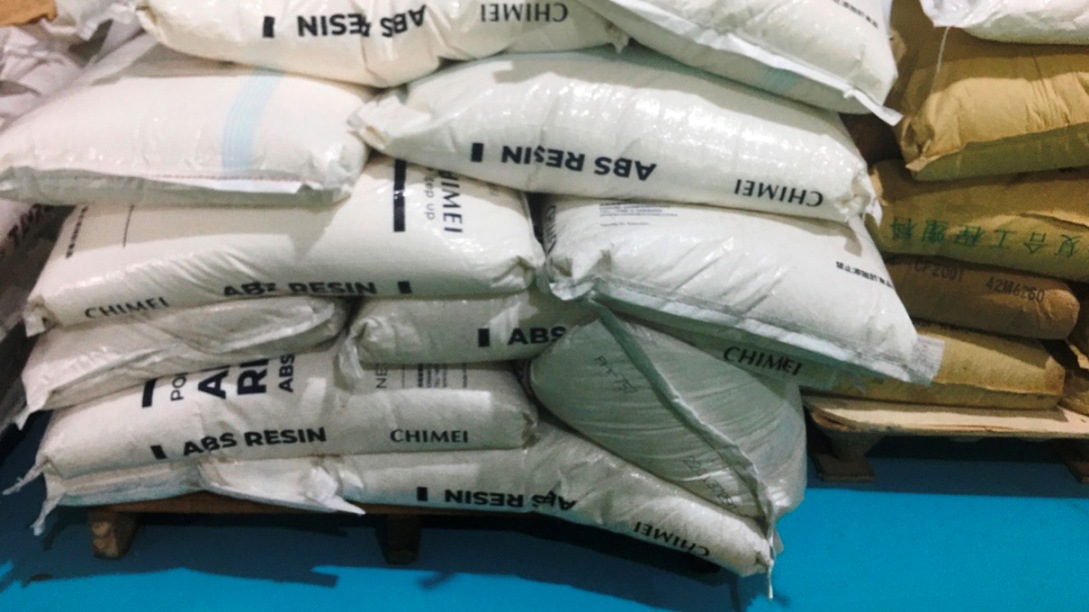
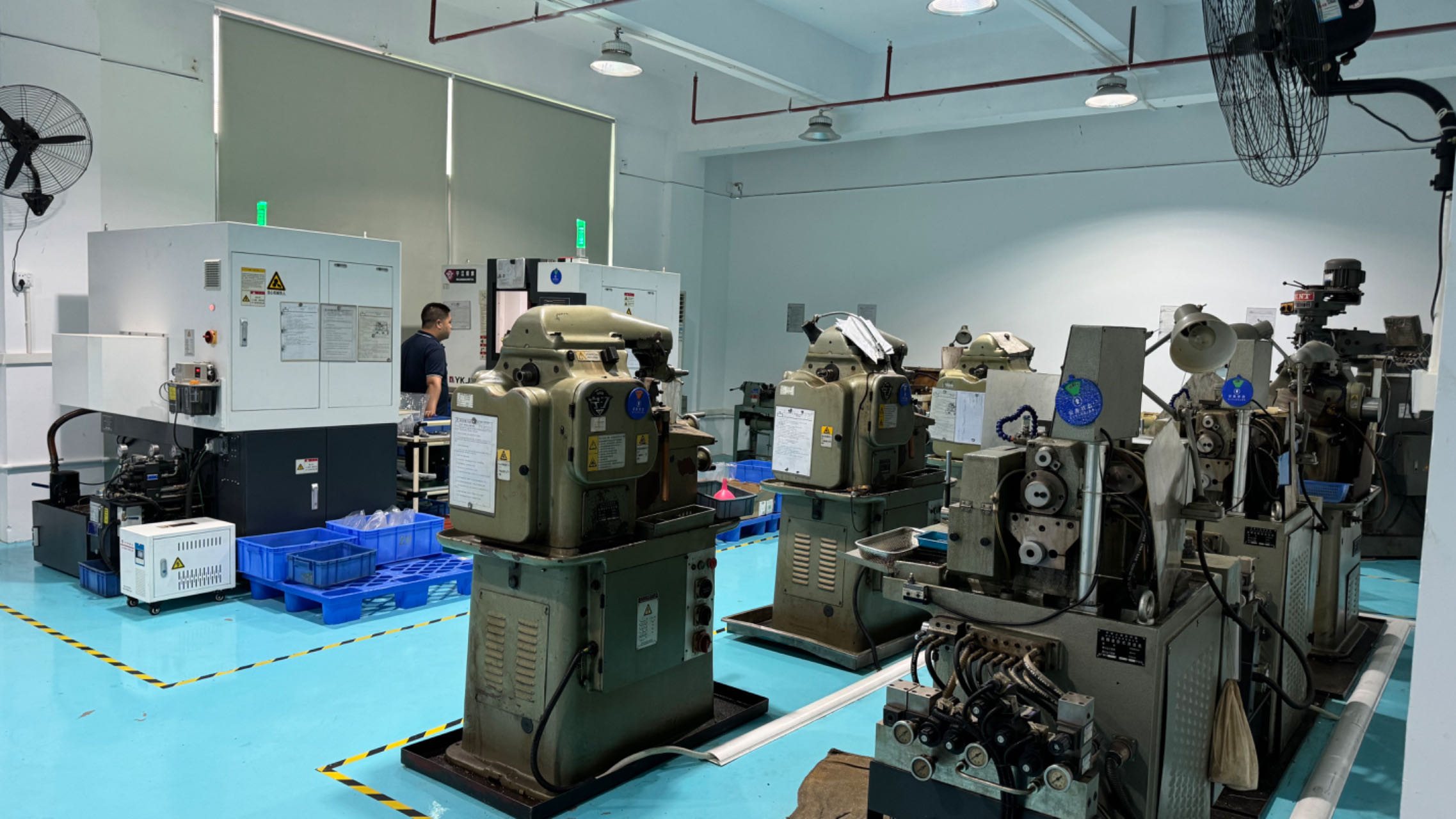
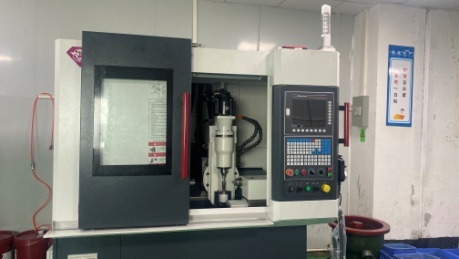
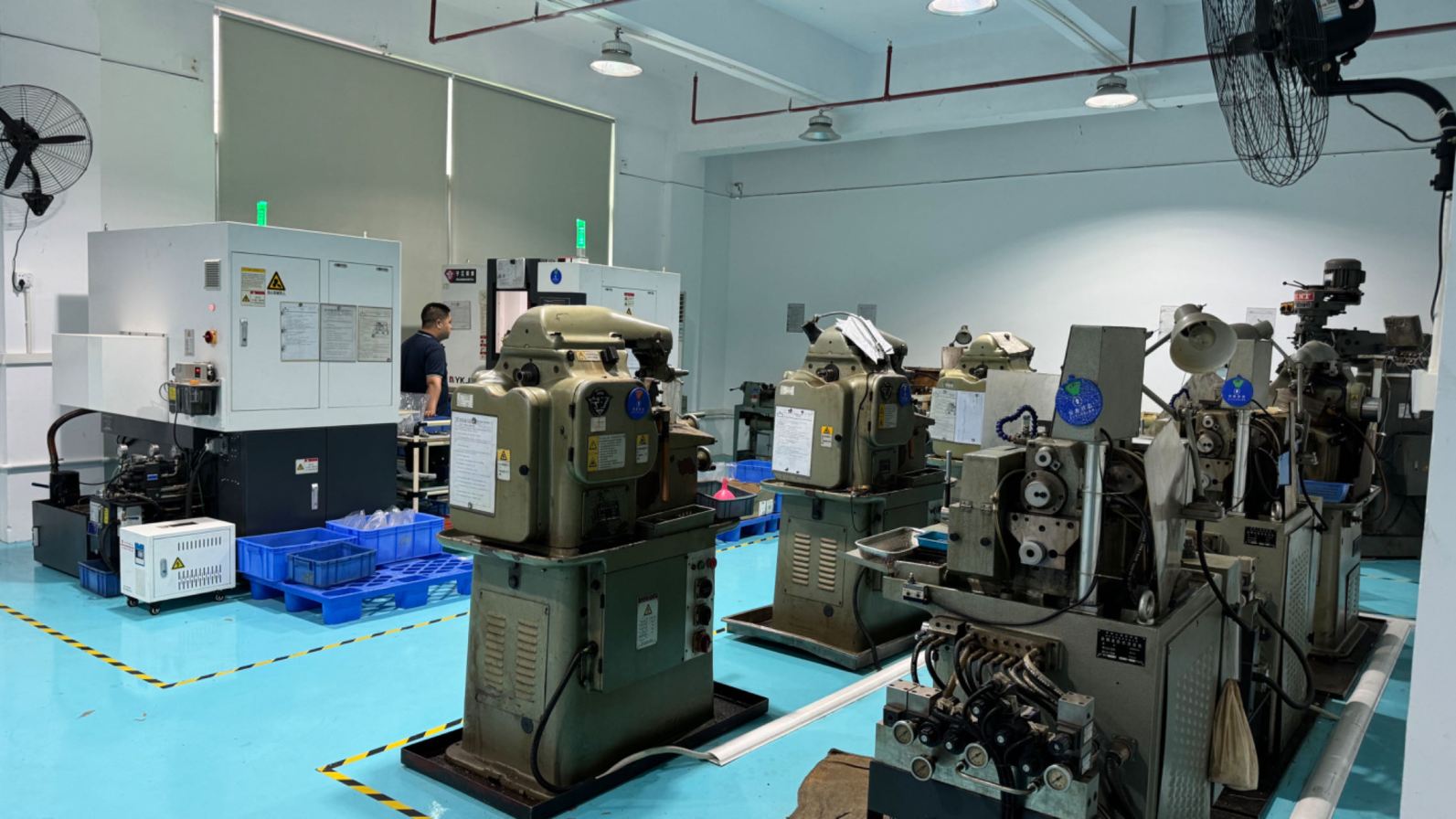
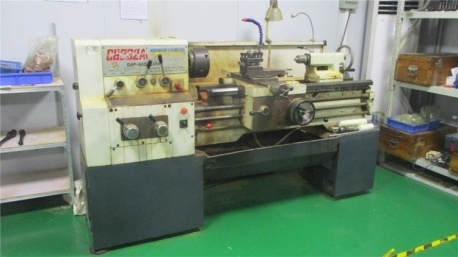
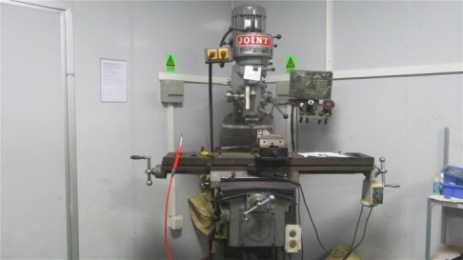
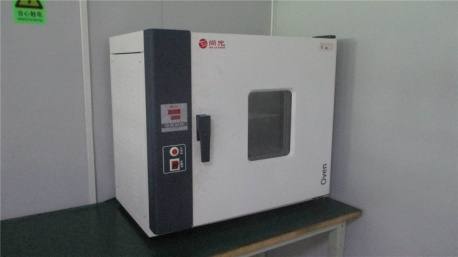
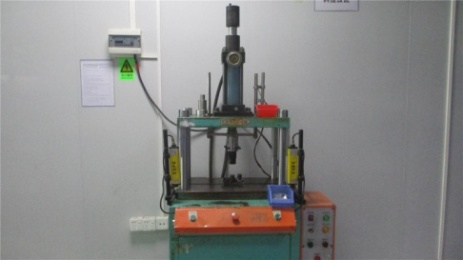
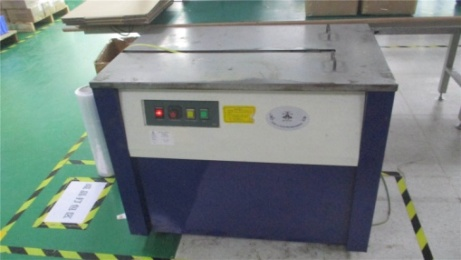
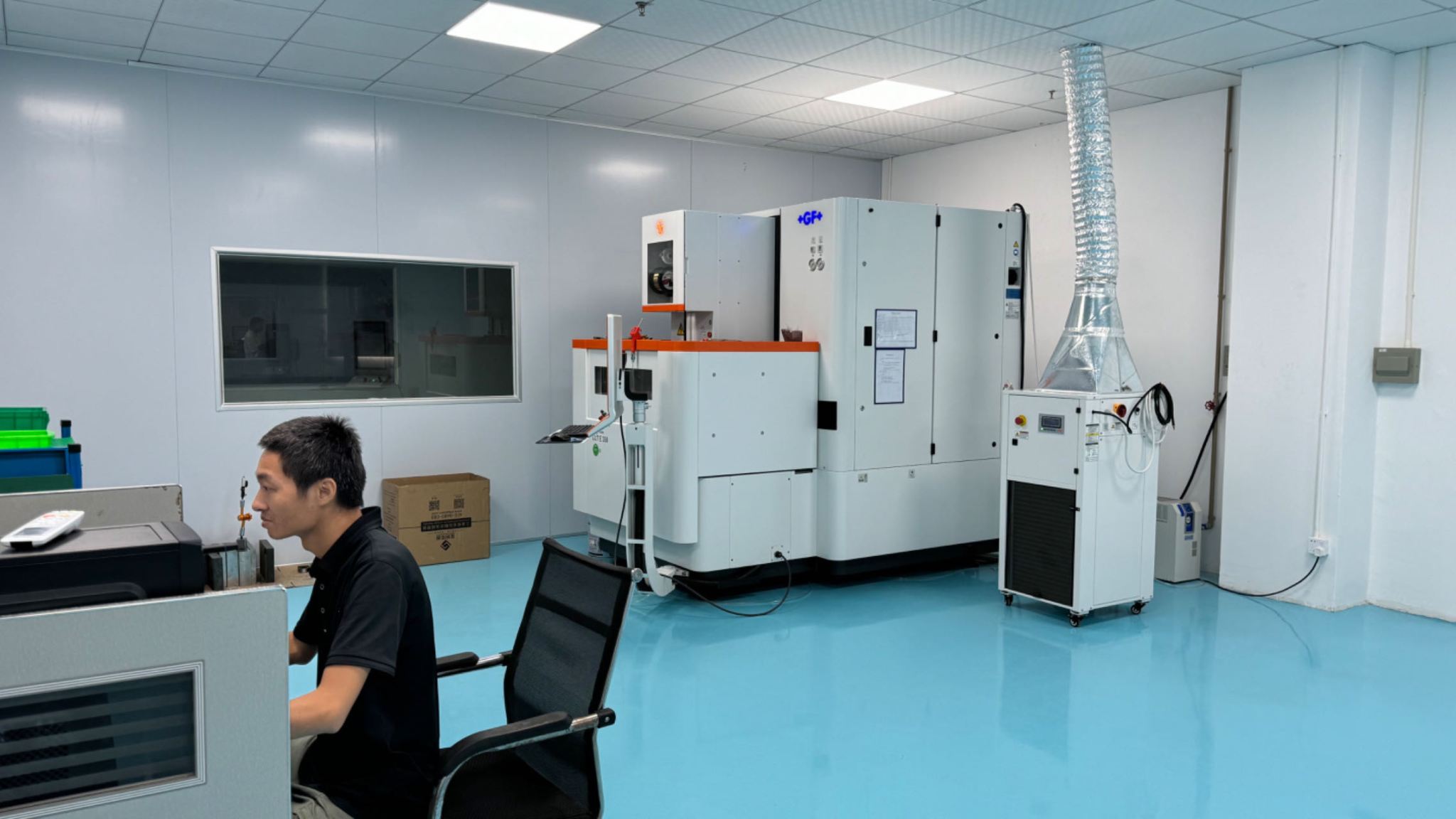
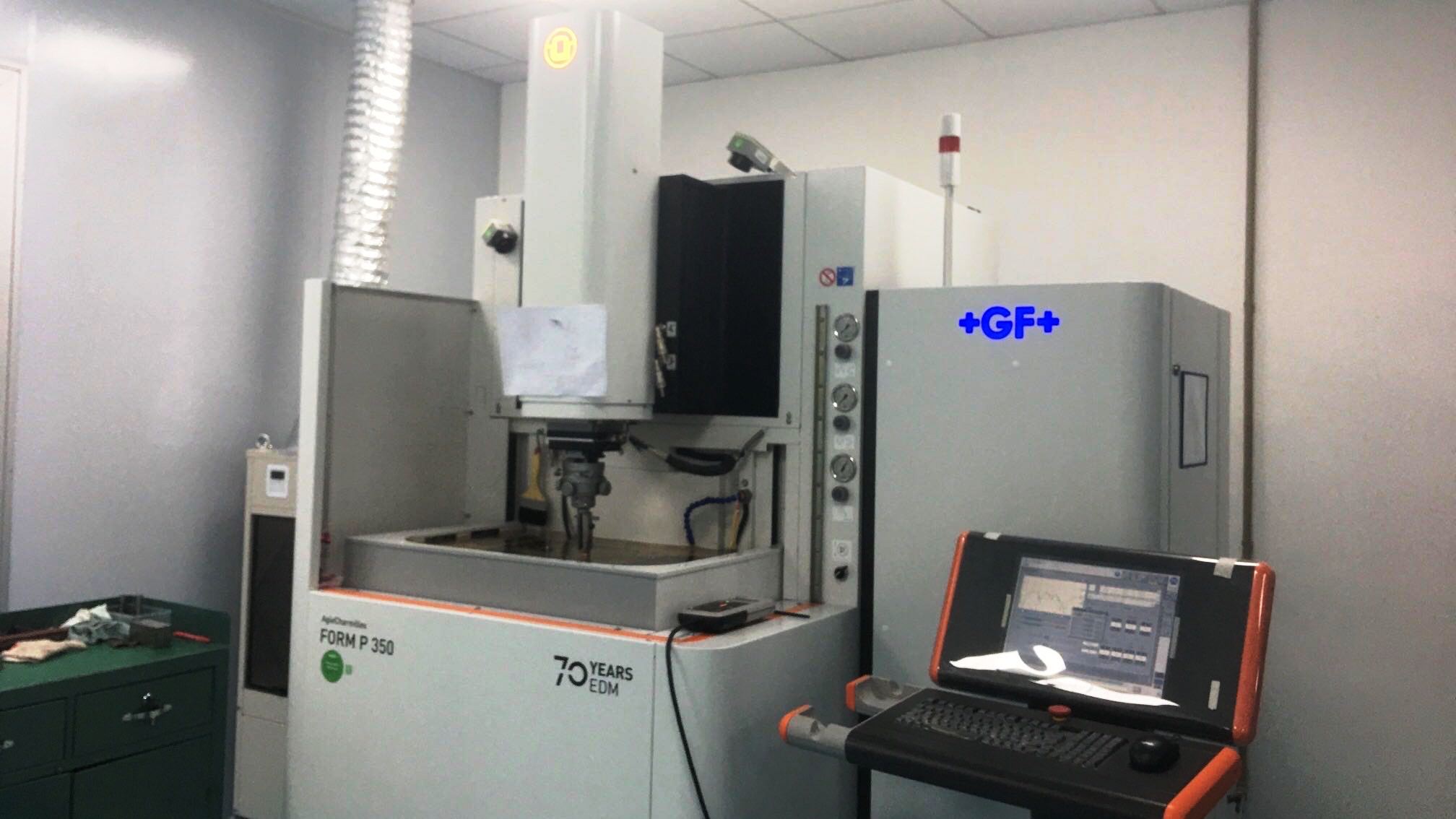
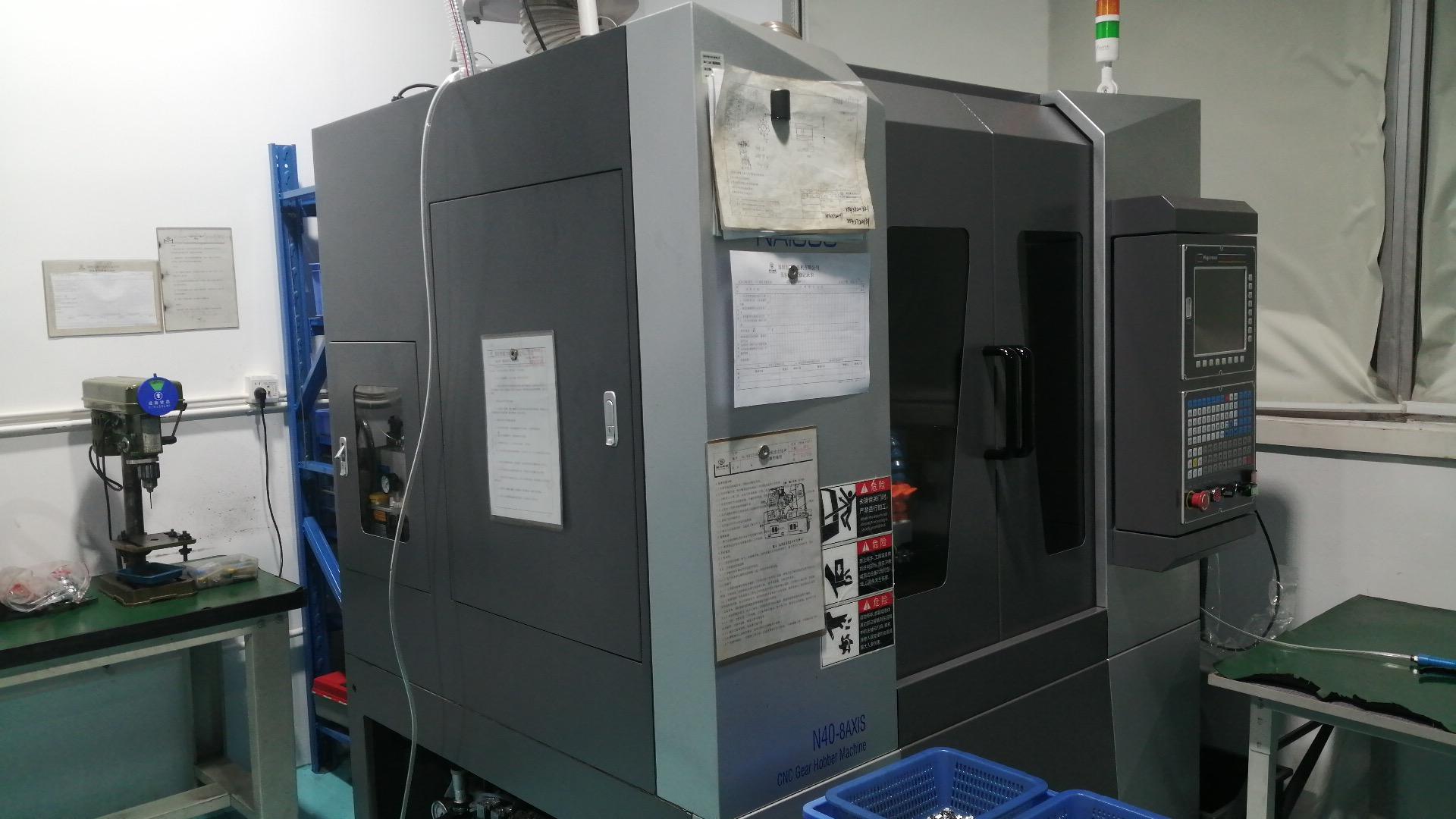
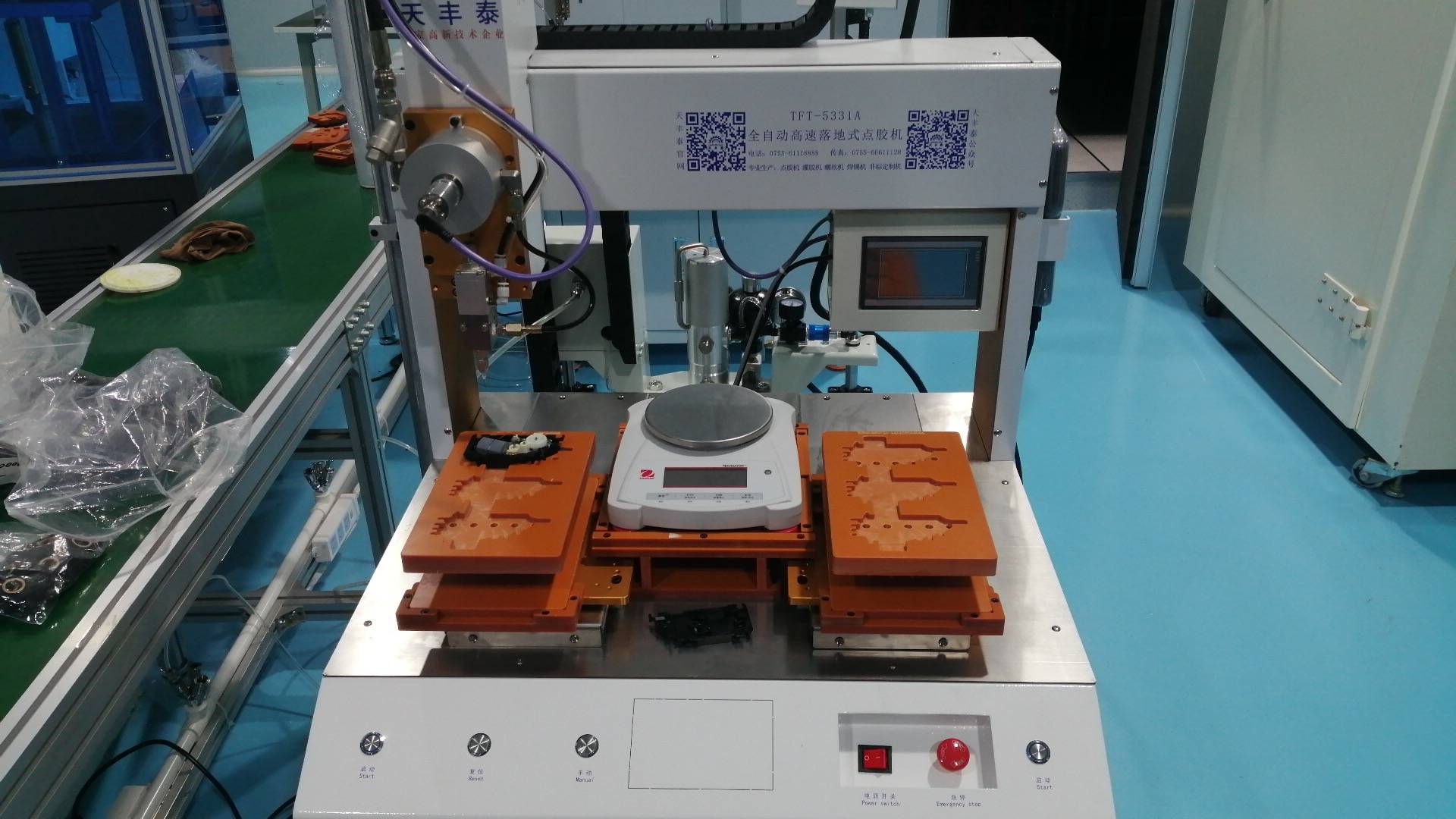
Precision Micro-Machining Equipment Suite
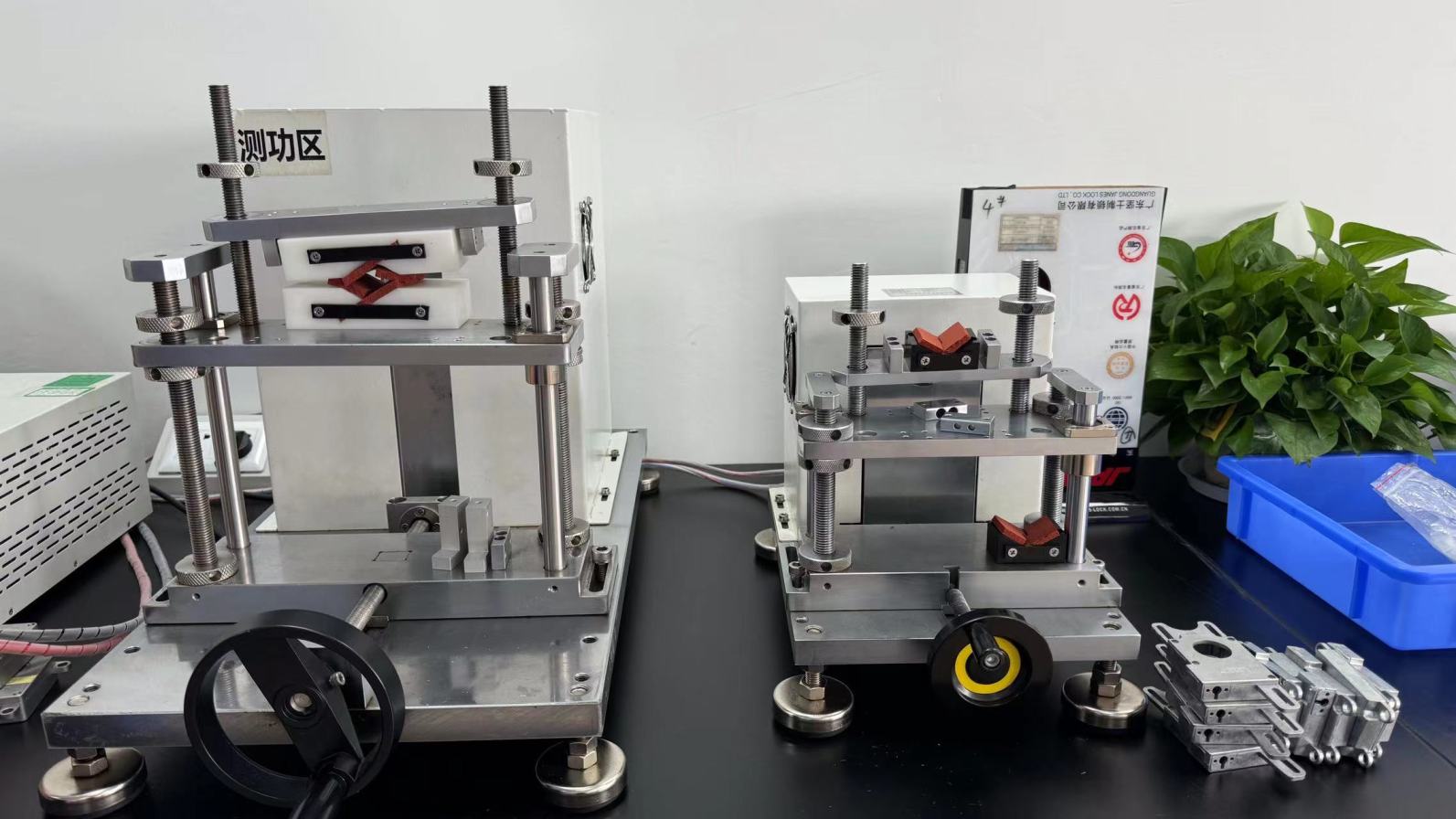
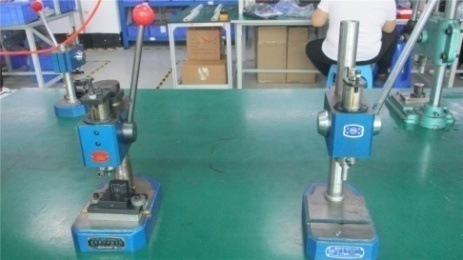
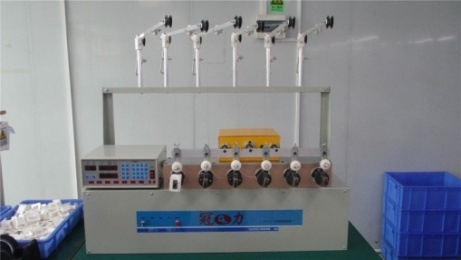
To manufacture gearboxes and micro-motors that function consistently, tolerances must be controlled down to the sub-micron scale. Our production floor uses international machine tools to maintain these tolerances.
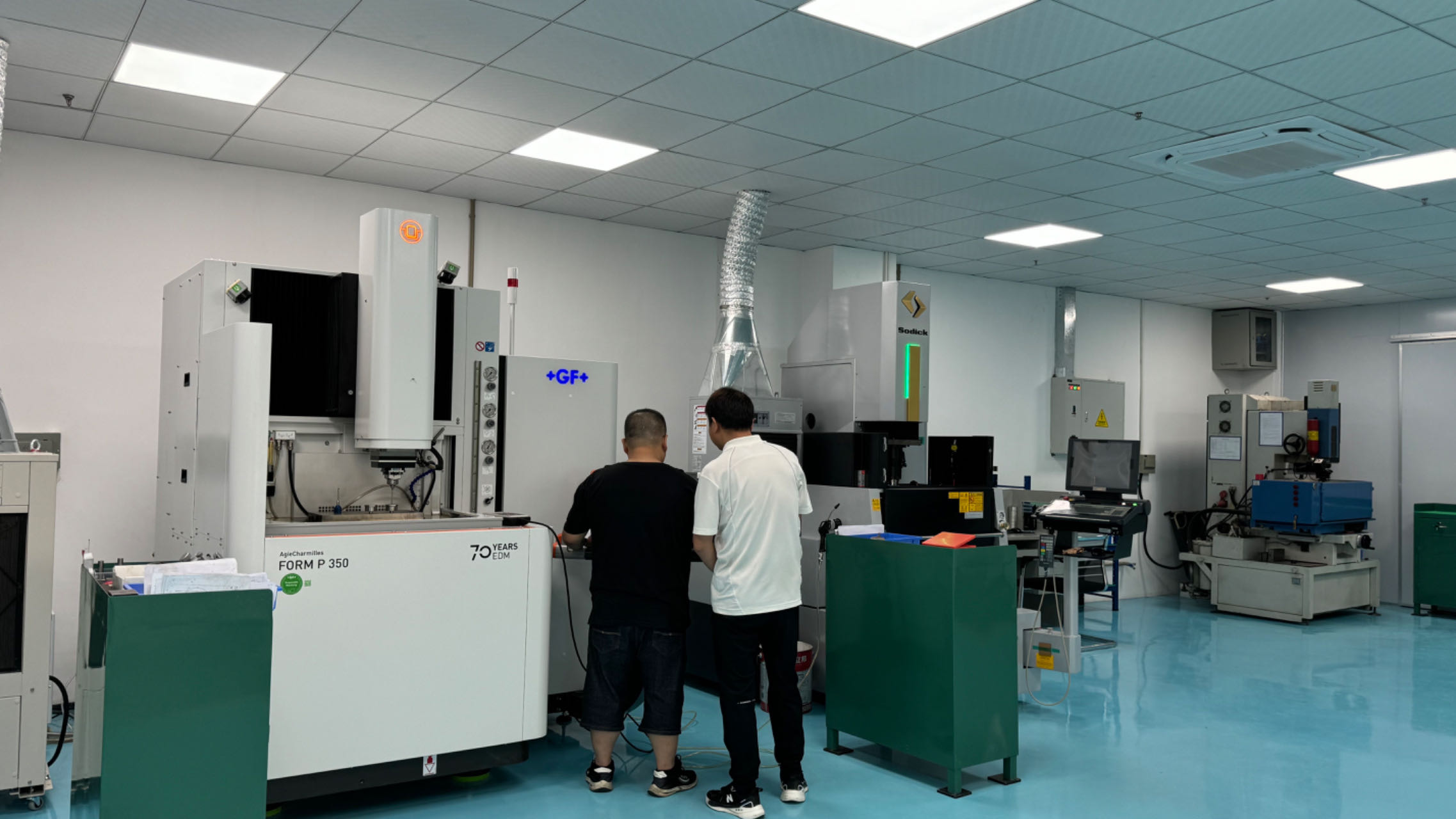
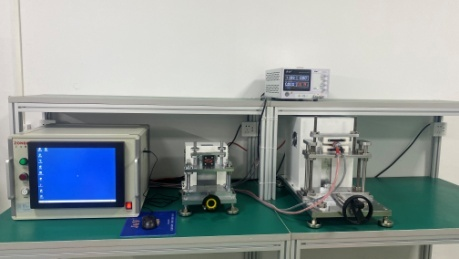
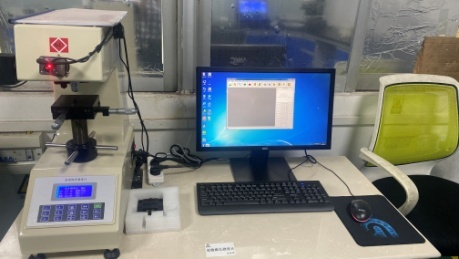
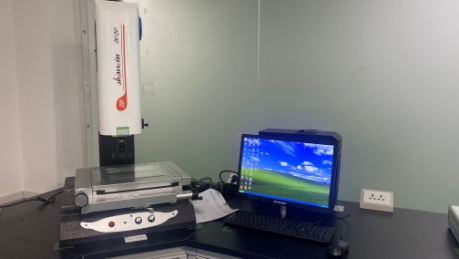
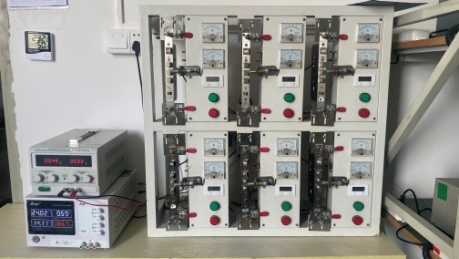
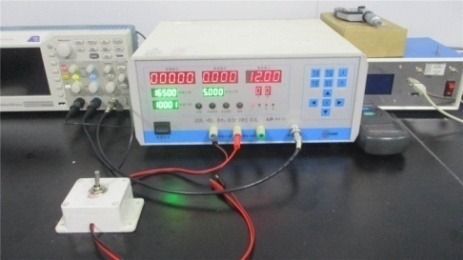
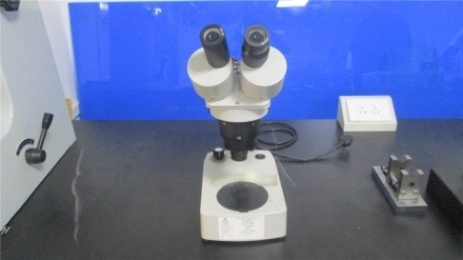
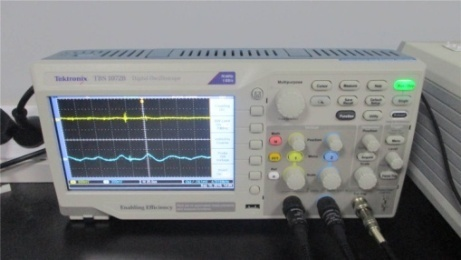
Metrology & Quality Control Systems
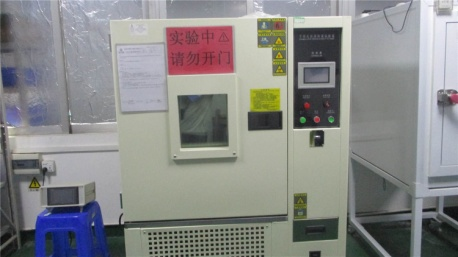
To ensure component reliability under mechanical stress and extreme temperatures, we utilize dedicated diagnostic equipment for inspection and validation.
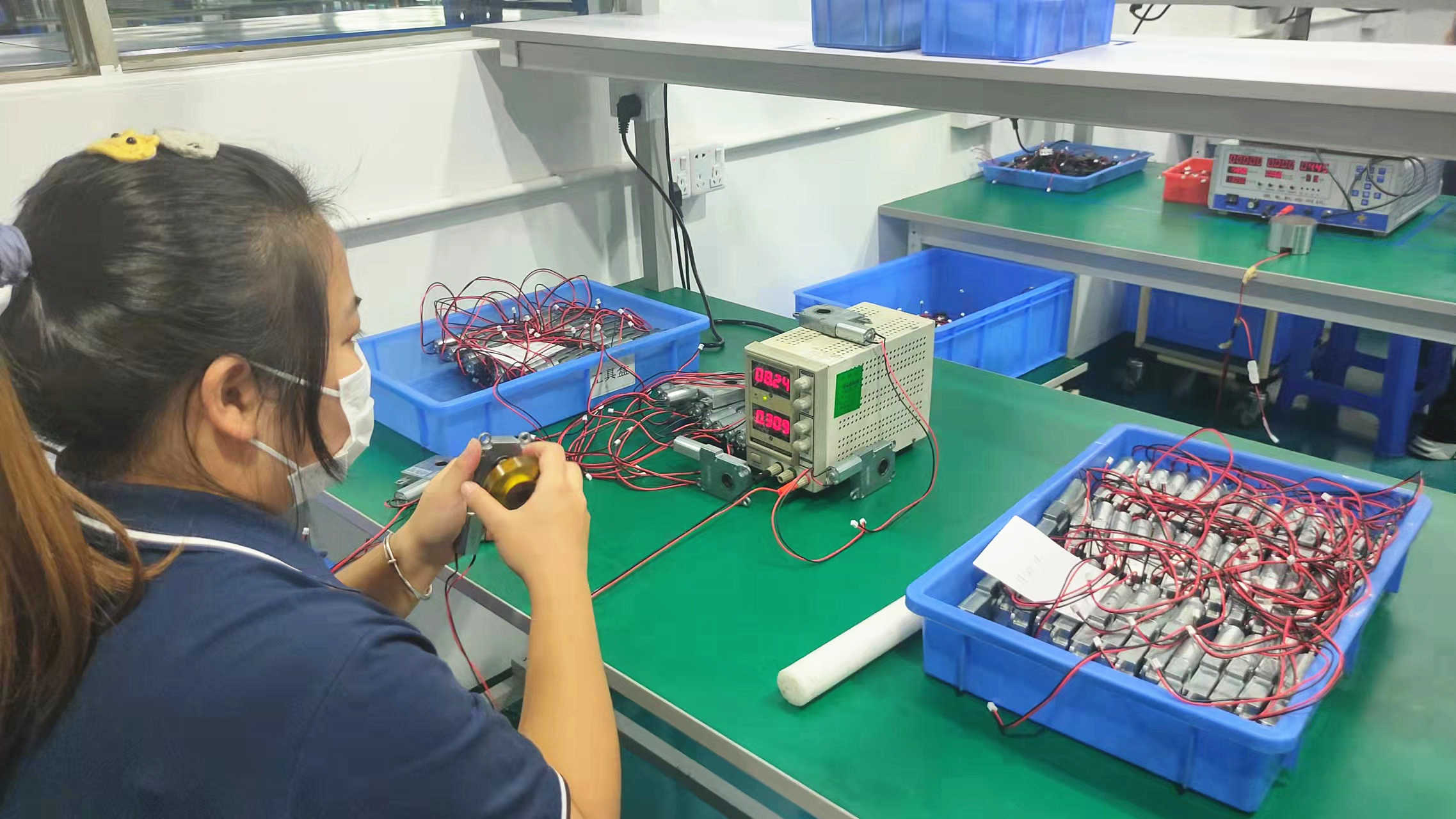
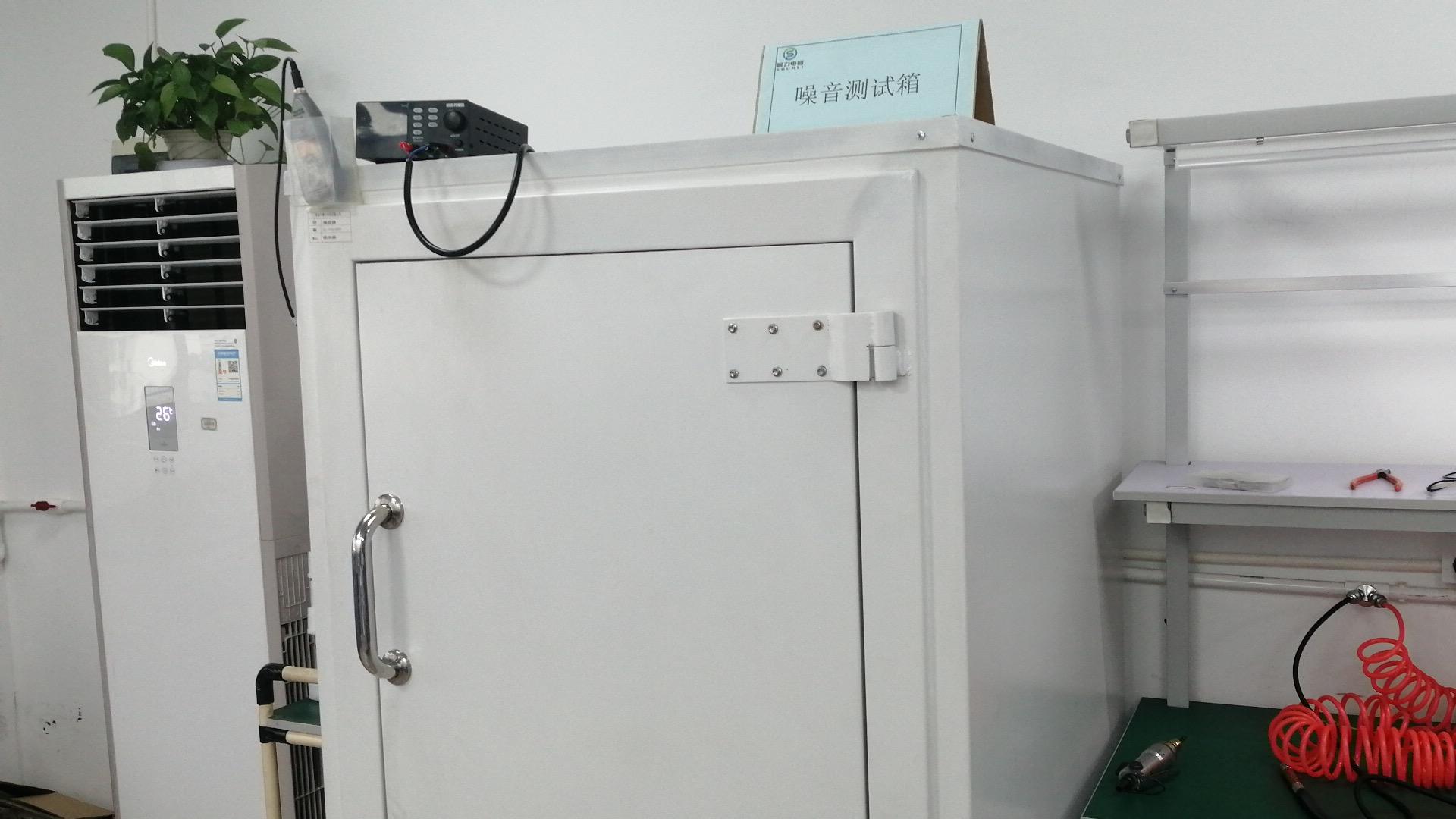
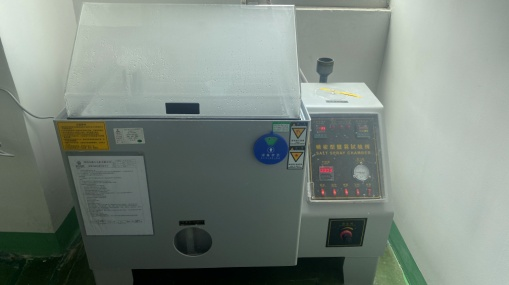
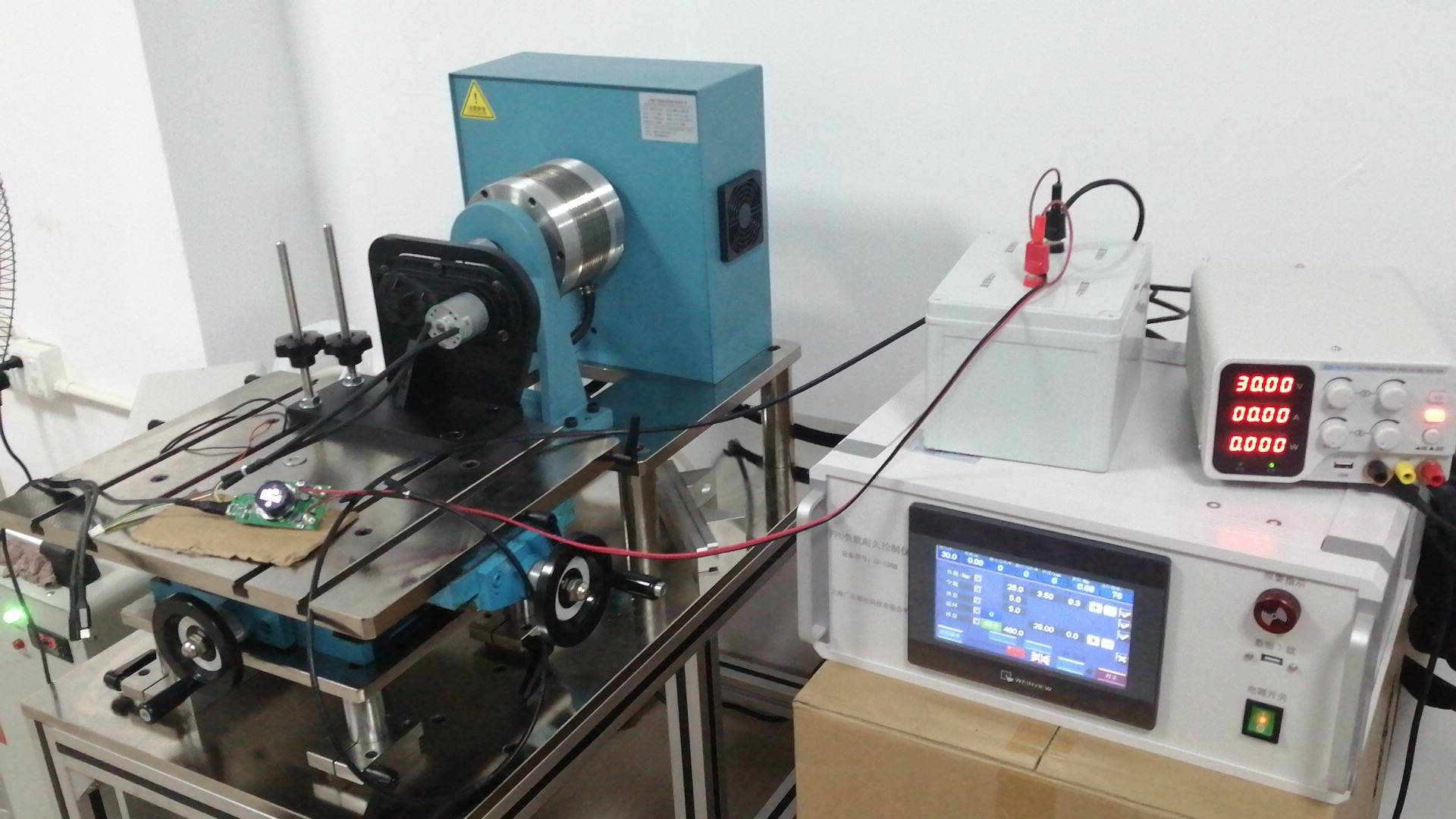
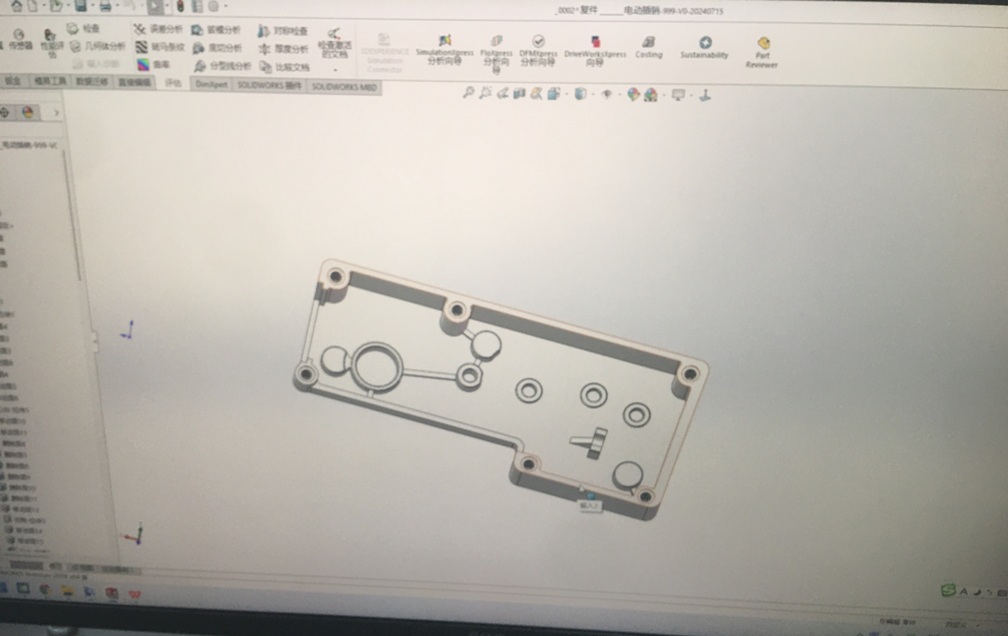
R&D Lab & Simulation Infrastructure
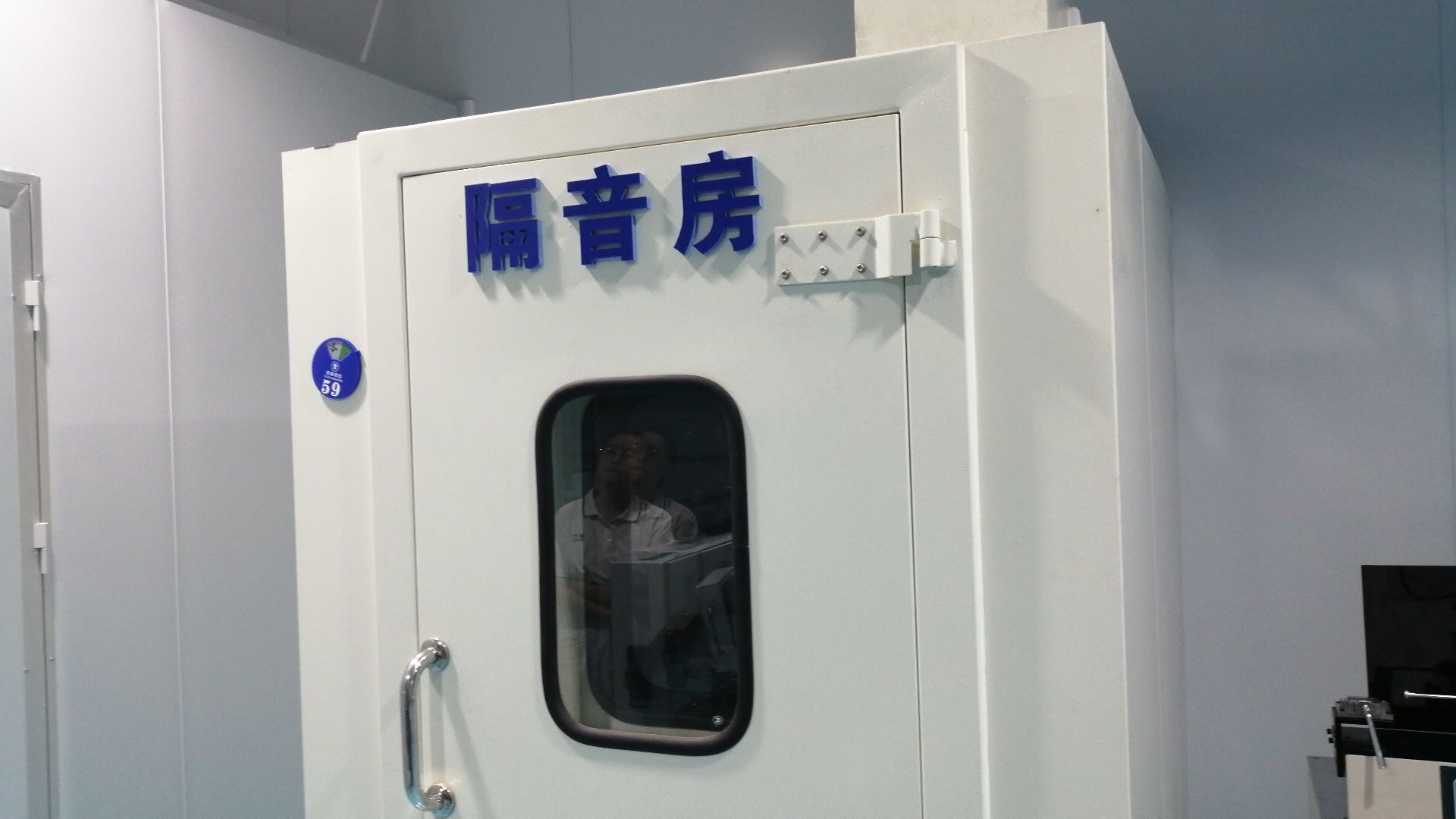
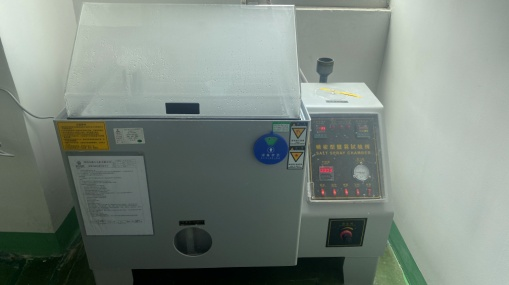
Our engineering division matches thermal modeling with environmental simulation chambers to assess design performance across varying temperatures.
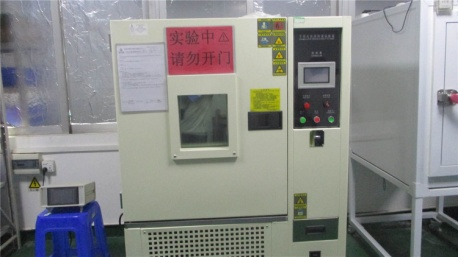
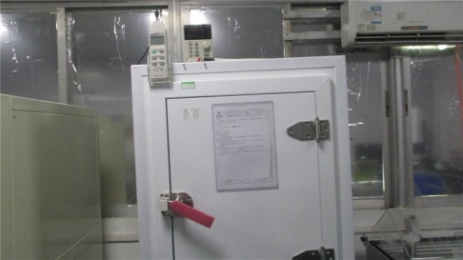
Localized Application Profiles: Engineering Real-World Solutions
Different operational environments present distinct electromechanical challenges. We tailor our configurations to meet the specific requirements of our clients' applications.
LNG Infrastructure & Distribution
Valves and flow controllers in Liquefied Natural Gas (LNG) pipelines must operate reliably down to -162°C. Our systems utilize CTE-matched alloy gearing and dry lubrication to prevent seizing during continuous thermal cycles, supporting reliable operation in gas liquefaction and distribution terminals.
Space Actuation & Cryo-Telescopes
Space applications require low-outgassing components capable of precise positioning under high vacuum and deep cold. Our designs utilize materials that satisfy cleanroom and outgassing standards, helping to protect optical surfaces and sensors from contamination.
Laboratory Metrology & Spectroscopy
Sample positioning drives in NMR, MRI, and Cryo-Electron Microscopes operate near liquid helium temperatures (4.2K). We minimize electromagnetic interference and thermal dissipation, supporting stable positioning within sensitive scientific instruments.
Technical Sourcing & Engineering Q&A
Frequently asked questions regarding material validation, customization processes, and operating limits for low-temperature motion control.
Additional High-Torque & Specialized Motor Configurations
Select from our wider range of planetary, worm, and brushless gear motors, customizable to meet specific speed, voltage, and mechanical interface requirements.