Stepper motors play a crucial role in modern automation and robotics. According to industry reports, the global stepper motor market is expected to reach $5.4 billion by 2026. This rapid growth is driven by expanded applications across various sectors. Precision positioning and control remain key advantages of stepper motors, making them ideal for 3D printing, CNC machines, and medical devices.
Furthermore, advancements in technology continue to enhance the performance of stepper motors. For example, high-torque options are becoming more accessible. However, some users still face challenges regarding efficiency and heat management. Addressing these issues is essential for maximizing operational effectiveness and reliability in applications.
As we explore the top 10 stepper motors for global buyers in 2026, it's important to consider multiple factors. These include specifications, performance metrics, and application suitability. Each motor type offers distinct advantages and potential drawbacks. Understanding these nuances will empower buyers to make informed decisions in this evolving landscape.
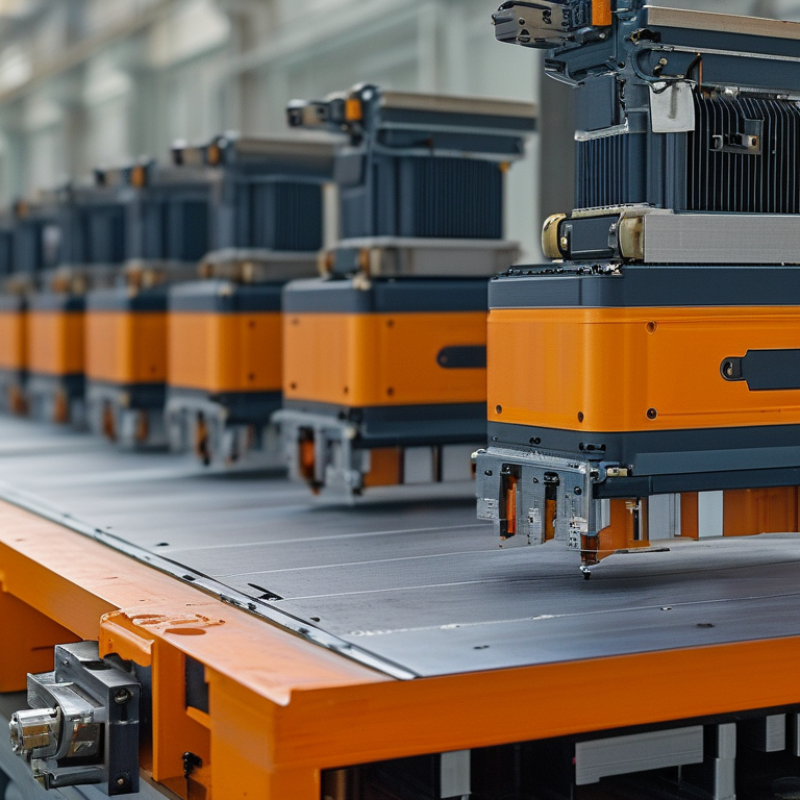
When selecting stepper motors, several key specifications are crucial for global buyers in 2026. Torque is one of the fundamental factors. The holding torque of a stepper motor dictates how much force it can withstand without slipping. Reports indicate that motors with a holding torque range of 45 to 85 Ncm are becoming standard. Understanding this specification helps buyers match motors to their application needs effectively.
Another critical aspect is the step angle. Most stepper motors offer step angles between 0.9 and 1.8 degrees. A finer step angle typically results in smoother motion and better positioning accuracy. Research shows that applications requiring high precision may benefit from motors with smaller step angles, thus enhancing performance. Additionally, buyers should assess the driver compatibility. The right driver ensures the motor operates efficiently and reduces the risk of overheating.
Thermal management is often overlooked but essential. Stepper motors can generate significant heat during operation. Efficient heat dissipation mechanisms can extend the motor's lifespan and reliability. Many reports highlight that up to 30% of motor failures are linked to thermal issues. Therefore, investing in an effective cooling strategy is vital. These considerations underscore the importance of careful selection and planning when choosing stepper motors for various applications.
Stepper motors are crucial in many industries due to their precision and reliability. In manufacturing, they drive automation systems, ensuring exact movements. These motors play an essential role in CNC machines, robotics, and conveyor belts. Their ability to provide consistent torque at low speeds makes them ideal for such applications.
In medical devices, stepper motors assist in critical equipment like imaging systems and surgical tools. These motors enable precise control, which is vital in delicate procedures. Additionally, they are used in 3D printers, where accuracy is paramount. This year, innovations in stepper motor technology are expected to enhance their performance further, particularly in compact systems.
Despite their advantages, challenges remain. Issues like heating and resonance can disrupt operations. Users must understand these limitations to ensure optimal performance. As industries evolve, the demand for more efficient and effective stepper motor solutions grows.
Stepper motors are an essential component in various industries. These devices convert electrical pulses into mechanical movement. Many manufacturers specialize in high-quality stepper motors. They offer diverse products to meet different market needs. One key aspect is the precision and reliability of these motors. As technology advances, the designs and applications continue to evolve.
Choosing the right stepper motor can be challenging. Look for features like torque ratings and step angles. These will ensure compatibility with your project. Consider the form factor and operational environment, as well. Custom applications might require specific motor types. Don't overlook the importance of customer support from manufacturers.
When purchasing, ask questions about materials and manufacturing practices. Researching past reviews can provide valuable insights. This will help assess the durability of the motors. Proper selection is crucial for optimal performance. Some stepper motors might not suit every application. Reflect on prior experiences to avoid common pitfalls. Knowledge from previous projects can enhance your decision-making process.
The performance metrics of stepper motors are critical in various applications. In 2023, a report by Market Research Future indicated that the stepper motor market is projected to reach approximately $5 billion by 2026. Torque, speed, and step accuracy are key factors influencing purchasing decisions.
Torque is particularly important. High-torque stepper motors can handle heavier loads effectively. As per a recent study, a torque increase of just 10% can significantly enhance performance in industrial applications. Speed is another metric. Motors operating at higher speeds tend to lose step accuracy, a trade-off buyers must consider. This discrepancy can lead to mechanical failures.
Moreover, step accuracy is vital. It directly impacts the precision of applications in robotics and CNC machines. Many users overlook this detail, assuming all motors provide similar accuracy. An evaluation of performance under varying loads can reveal surprising gaps. These nuances in performance metrics can inform better purchasing choices for global buyers.
The stepper motor industry is rapidly evolving. In 2026, we can expect notable trends shaping this technology. One significant development is the integration of AI for improved efficiency. AI algorithms can optimize motor performance in real time, enhancing precision in applications. This could revolutionize manufacturing and robotics.
Another promising trend is the miniaturization of stepper motors. Engineers are creating more compact designs that maintain power and torque. Smaller motors can fit into tight spaces, enabling innovative applications in consumer electronics. However, miniaturization often compromises thermal management, leading to potential overheating issues.
Sustainability is a growing focus. More manufacturers are embracing eco-friendly production processes. They aim to reduce waste and energy consumption across the lifecycle of stepper motors. While progress is notable, challenges remain. Balancing performance and sustainability will require ongoing research and development. The future landscape is promising, but critical reflections on these innovations are vital.
| Rank | Motor Type | Holding Torque (Nm) | Step Angle (Degrees) | Rated Current (A) | Price Range (USD) |
|---|---|---|---|---|---|
| 1 | Hybrid Stepper Motor | 0.5 | 1.8 | 1.2 | $50 - $100 |
| 2 | Permanent Magnet Stepper Motor | 0.6 | 1.8 | 0.9 | $40 - $90 |
| 3 | Bipolar Stepper Motor | 0.7 | 1.8 | 1.1 | $60 - $110 |
| 4 | Uni-polar Stepper Motor | 0.65 | 1.8 | 1.0 | $30 - $80 |
| 5 | Closed-Loop Stepper Motor | 0.8 | 1.8 | 1.5 | $70 - $120 |
| 6 | Digital Stepper Motor | 0.55 | 1.5 | 1.0 | $65 - $115 |
| 7 | Micro Stepping Motor | 0.4 | 1.8 | 0.8 | $55 - $105 |
| 8 | High Torque Stepper Motor | 1.0 | 1.8 | 1.4 | $90 - $150 |
| 9 | Nema 17 Stepper Motor | 0.45 | 1.8 | 1.2 | $35 - $85 |
| 10 | Nema 23 Stepper Motor | 0.75 | 1.8 | 1.5 | $80 - $140 |
: Stepper motors drive automation systems. They ensure precise movements in CNC machines, robotics, and conveyor belts.
These motors provide precise control in imaging systems and surgical tools. This accuracy is crucial for delicate medical procedures.
Common issues include heating and resonance. Users must recognize these limits for optimal performance.
Torque, speed, and step accuracy are vital. Buyers need to consider these factors for effective decision-making.
High-torque motors manage heavier loads better. Even a 10% torque increase can significantly boost performance.
Higher speeds can lead to a loss of step accuracy. This trade-off may result in mechanical issues.
Engineers are designing smaller motors that retain power. Compact designs enable new applications but may cause overheating.
AI algorithms optimize motor performance in real time. This improves precision across various applications.
Manufacturers are focusing on eco-friendly production. The goal is to reduce waste and energy consumption.
Many overlook step accuracy, assuming uniformity. An evaluation can highlight performance gaps and improve purchasing choices.
The article "Top 10 Stepper Motors for Global Buyers in 2026" delves into the critical aspects of selecting stepper motors, emphasizing key specifications that buyers should prioritize, such as torque, step resolution, and driver compatibility. Additionally, it explores the major industry applications anticipated for 2026, including robotics, automation, and medical equipment, highlighting the growing role of stepper motors across various sectors.
Furthermore, the article conducts a comparative analysis of performance metrics, enabling buyers to understand the nuances between different stepper motor options. It also identifies emerging trends and innovations in stepper motor technology, including advancements in control algorithms and integration with IoT systems. Overall, this comprehensive guide serves as a valuable resource for global buyers looking to make informed decisions in the evolving landscape of stepper motors.

Micprec Motor