Top 5 Motor For Lock Options for Global Buyers?

Time:2026-07-25 Author:Ethan
0%

In today's world, security is paramount for individuals and businesses alike. One crucial aspect of security systems is the "Motor For Lock." This component plays a pivotal role in ensuring that locks operate smoothly and reliably. As global buyers seek the best options for locking mechanisms, understanding different motor types is essential.

With numerous choices available, selecting the right motor for locks can be overwhelming. Buyers must consider various factors such as compatibility, durability, and overall performance. Some may find it challenging to navigate the market and discern which products truly stand out. Yet, knowledge is power, and informed decisions can lead to enhanced security.

Evaluating motor features can help in making the right choice. Potential buyers should keep in mind that the effectiveness of a lock often depends on the quality of its motor. Exploring these five top motor options can guide global buyers toward making better choices. These insights will highlight reliable and innovative products currently on the market.
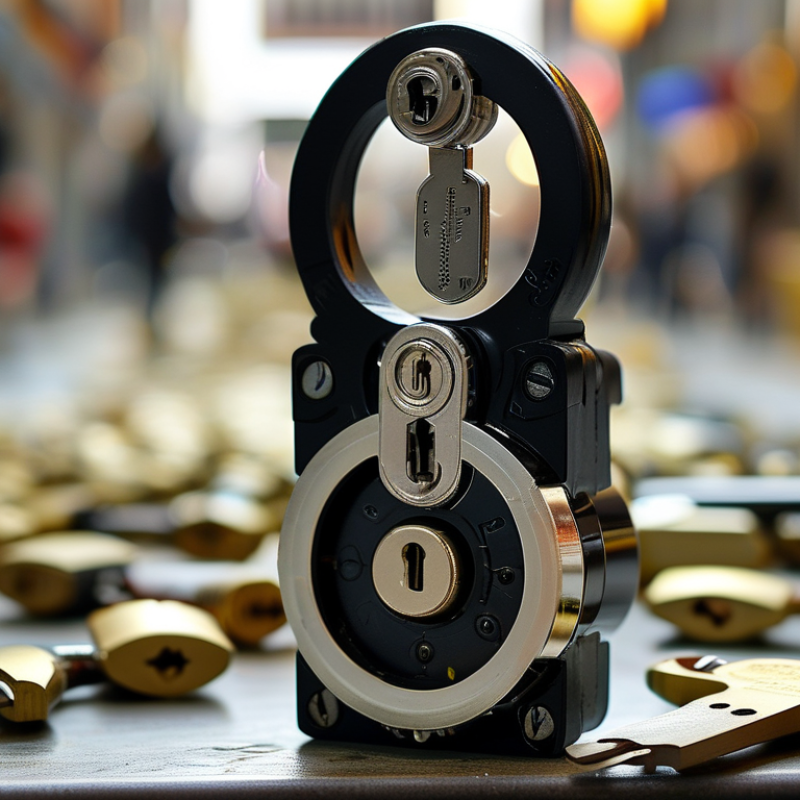
Top 5 Motor For Lock Options for Global Buyers?

Overview of Electric Motors for Lock Systems

Electric motors play a crucial role in modern lock systems. Various types of motors are available in the market, each with unique functionalities. According to a recent industry report, the electric motor market for locking mechanisms is expected to grow significantly, reaching $1.2 billion by 2025. This study highlights a trend toward increased automation and enhanced security features.

Among the top choices, DC motors are favored for their efficiency and compact design. They offer precise control, making them ideal for electronic locks. Meanwhile, stepper motors provide excellent positioning accuracy. Their ability to control rotation in incremental steps is valuable in high-security applications. Additionally, brushless motors are noted for their durability and reduced maintenance needs, aligning with current demands for long-lasting solutions.

However, the integration of these motors into lock systems does present challenges. Issues such as thermal management and power supply stability often arise. It's essential for manufacturers to consider these factors during the design phase. Balancing performance, energy consumption, and cost remains a complex task. Acknowledging these challenges will inform better decision-making in selecting suitable motor options for global buyers.

Key Features to Consider in Motor Selection

When selecting a motor for lock applications, several key features must be considered. Reliability is paramount. According to recent industry reports, motors typically operate at only 70-80% efficiency. This inefficiency can lead to operational failures. Buyers should prioritize motors with robust performance records. Look for those tested in various environments, ensuring performance consistency.

Another vital feature is the torque rating. Motors that deliver higher torque often ensure faster locking mechanisms. Data suggests that motors exceeding 1 Nm are more suitable for secure lock systems. Moreover, the power source is critical. Electric motors are popular due to their consistent power output and lower maintenance needs. In contrast, pneumatic options may offer higher speeds but could display operational inconsistencies.

Lastly, the motor's size and weight significantly affect installation flexibility. Compact designs can be easier to integrate into existing systems, yet they might sacrifice power. Buyers should weigh these trade-offs carefully. Balancing motor features with specific application needs is essential for optimal performance.

Top 5 Motor Types for Lock Applications

When selecting motors for lock applications, understanding the different types is crucial. Each motor type has unique features suited for various needs. Electric motors are prevalent due to their reliability and efficiency. They provide smooth operation and require minimal maintenance. Many users appreciate their straightforward installation process and robust performance in secure environments.

Another option is the solenoid motor, which operates through electromagnetic forces. Solenoids can quickly engage or disengage locks, offering fast response times. However, they may generate heat during operation, which could impact longevity. This trade-off requires careful consideration in high-usage scenarios.

Lastly, there are stepper motors, favored for their precision. They allow for controlled locking positions, enhancing security. Yet, stepper motors can be more complex to integrate into existing systems. Buyers should evaluate their specific needs against these characteristics. Each motor may have drawbacks that necessitate further exploration. Understanding your requirements ensures the right choice for effective lock applications.

Top 5 Motor Types for Lock Applications

Motor Type Power Source Torque (Nm) Speed (RPM) Application
DC Motor Battery 0.5 - 3 1000 - 3000 Electronic Locks
Stepper Motor AC/DC 0.3 - 4 200 - 2000 Smart Locks
Servo Motor AC 1 - 10 500 - 1500 Access Control Systems
AC Motor AC 0.5 - 15 1000 - 3600 Industrial Locks
Brushless DC Motor Battery/AC 1 - 20 1000 - 5000 High-security Locks

Global Market Trends in Lock Motor Technologies

The global market for lock motor technologies is evolving rapidly. Consumers now seek enhanced security solutions. This trend is driven by the rise in smart technologies. Lock motors are now more integrated with home automation systems. Features such as remote access and biometric systems are gaining popularity.

Trade shows and tech expos reveal innovative designs and functionalities. Many manufacturers focus on energy-efficient motors. Users express concerns about the long-term reliability of these products. Some lock motors can be complex to install, which deters potential buyers. Additionally, compatibility with existing security systems remains a challenge.

As cities expand, the demand for robust security solutions grows. Some regions prioritize electronic locks over traditional ones. The adaptability of lock motors is crucial for market success. Despite the advancements, companies must remain vigilant. User feedback highlights areas needing improvement. Addressing these concerns will be key in shaping future trends.

Comparison of Cost and Performance Among Motor Options

When comparing motor options for locking mechanisms, cost and performance are key factors for buyers. Different motors have distinct characteristics that impact their effectiveness. For example, high-torque motors may provide stronger locking capabilities but can be more expensive. On the other hand, lighter motors might be budget-friendly but potentially lack durability. Understanding these trade-offs can help buyers make informed decisions.

The price range for locking motors varies significantly based on specifications. Basic models may start at a lower price point, but they often compromise on performance and reliability. In contrast, premium options may offer advanced features but require a larger investment. This variation can lead to confusion. Buyers should focus on the long-term value of their purchase.

When evaluating these options, it is essential to consider not just the initial costs. Performance under varying conditions also plays a crucial role. Different environments can affect motor functionality and lifespan. For instance, moisture can reduce performance in some models. It's important to weigh these factors and research wisely to ensure the best choice for specific locking needs.

FAQS

: What markets are electric motors for lock systems expected to grow in?

: The electric motor market for locking mechanisms is projected to reach $1.2 billion by 2025.

Why are DC motors commonly used in electronic locks?

DC motors offer efficiency, compact design, and precise control for effective locking.

What is a challenge that manufacturers face when integrating motors into lock systems?

Thermal management and power supply stability are common challenges in motor integration.

What are the advantages of solenoid motors in lock applications?

Solenoids provide fast response times for engaging or disengaging locks but may generate heat during use.

How do stepper motors enhance security in locking systems?

They allow for controlled locking positions, making them suitable for high-security applications.

What factors should buyers consider when comparing motor options?

Cost, performance under different conditions, and long-term value are crucial when choosing motors.

Why might lighter motors be less desirable despite their lower cost?

They can be budget-friendly but may lack durability compared to high-torque motors.

What happens to motor performance in moist environments?

Moisture can reduce performance for some motor models, impacting their lifespan and reliability.

Are there any drawbacks to using stepper motors?

Yes, they can be complex to integrate into existing systems, needing careful evaluation.

What should users prioritize when selecting a motor for lock applications?

Understanding specific needs against motor features ensures an effective choice, reflecting on possible trade-offs.

Conclusion

This article explores the evolving landscape of "Motor For Lock" technologies, highlighting their critical role in modern lock systems. It begins with an overview of various electric motors suitable for locks, emphasizing the importance of key features such as torque, speed, and energy efficiency in the selection process. The piece identifies the top five types of motors specifically designed for lock applications, offering insights into their unique advantages and operational capabilities.

Additionally, it delves into global market trends driving innovation in lock motor technologies, indicating a growing demand for secure and efficient locking mechanisms. A comparative analysis of costs and performance among the motor options equips buyers with the information needed to make informed decisions in an increasingly competitive market. Overall, this guide serves as a comprehensive resource for global buyers seeking the best motor solutions for their locking needs.

Ethan

Ethan

Ethan is a seasoned marketing professional with a deep expertise in our company's innovative product line. With a passion for sharing knowledge and insights, he takes the lead in regularly updating our corporate blog, where he explores industry trends, product features, and effective marketing......