In 2026, the demand for efficient and reliable motor systems continues to rise. The landscape of electric motors has transformed dramatically. Understanding the innovations in this field helps buyers make informed decisions. The "Top DC Motor" list showcases the best performers across various applications.
These motors are essential in industries like robotics, automotive, and consumer electronics. Each motor excels in power delivery and energy efficiency. However, buyers often face overwhelming choices. Variation in specifications can lead to confusion. It’s crucial to analyze key features such as torque, speed, and durability.
Moreover, advancements in technology elevate performance standards. Buyers must remain updated on the latest trends and innovations. Developing a deeper understanding of what defines a top DC motor can enhance purchasing decisions. Yet, selecting the right motor still invites challenges. Every choice requires careful consideration of long-term usability and efficiency. This guide aims to illuminate the path for global buyers navigating this competitive market in 2026.
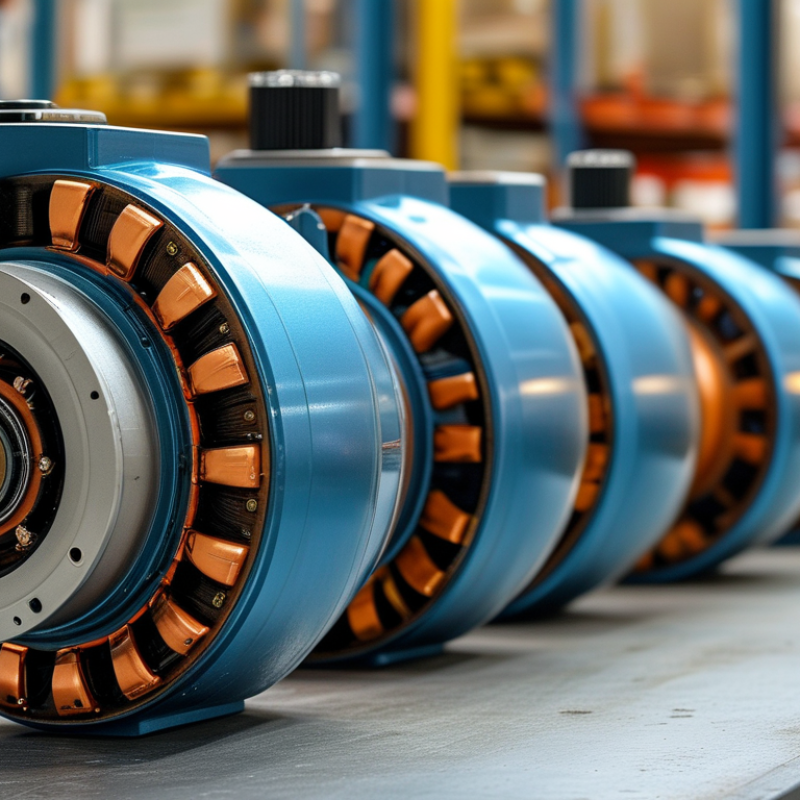
When selecting DC motors for 2026, understanding the application is crucial. Different applications require different specifications. Some motors prioritize torque, while others need high RPMs. Identifying your specific needs will set the stage for making an informed choice.
Efficiency is another key factor. An efficient motor can lead to significant cost savings over time. However, higher efficiency often comes with a premium price. Balancing initial costs with long-term savings is essential. Pay attention to the energy consumption ratings. Sometimes, the most efficient motors are not always the most affordable options upfront.
Size and weight are also significant considerations. Compact designs may fit better in limited spaces. Yet, these smaller options can sometimes compromise power. It’s a challenge to find the right balance between size and functionality. Reflect on the constraints of your project and how each motor option fits within those limits.
In 2026, the DC motor industry is set to witness remarkable innovations from various manufacturers. Among the advancements, advancements in energy efficiency will be pivotal. Many companies are investing in new materials to reduce weight and increase performance. This shift can lead to longer-lasting and more efficient products. Some innovations focus on improving the lifespan of motors by enhancing thermal management systems.
Another key area of innovation is the integration of smart technology. Manufacturers are exploring ways to incorporate IoT (Internet of Things) capabilities into DC motors. This will allow for better monitoring and predictive maintenance. Users will gain insights into performance metrics in real time. However, the incorporation of such technologies can also raise concerns regarding cybersecurity and data privacy, which need careful handling.
Finally, sustainability is becoming a primary goal for DC motor manufacturers. More are exploring ways to minimize their environmental impact. This includes using recycled materials and optimizing energy consumption during production. Yet, achieving true sustainability is a complex challenge. It requires continuous effort and collaboration across the industry. As manufacturers push boundaries, their innovations will shape the future landscape of DC motors.
As the DC motor market evolves, understanding performance metrics becomes crucial. A recent industry survey highlights efficiency, torque, and lifespan as key factors for buyers. The efficiency of top DC motors can exceed 90%, reinforcing their role in sustainable applications. Torque ratings vary significantly, with some motors providing over 2 Nm, making them suitable for demanding tasks.
Lifespan is another vital consideration. Many advanced models can last over 20,000 operational hours under optimal conditions. This durability translates to reduced maintenance costs and increased reliability. However, it’s essential to note that not all high-efficiency models exhibit superior torque output. Buyers should carefully assess their specific requirements against performance trade-offs.
Noise levels also merit attention. Some motors operate quietly yet deliver impressive power. Balance between noise, size, and performance is often a complex decision. In certain applications, a powerful motor may be too loud, impacting the overall user experience. Objective comparisons of these metrics aid in making informed choices, ensuring alignment with operational needs.
The demand for DC motors is growing steadily across various global industries. This increase is fueled by the rise of automation and electric vehicle production. More manufacturers are integrating DC motors in their products, from robotics to HVAC systems. The shift toward energy efficiency is also significant. Industries seek solutions that lower energy consumption while improving performance.
However, several challenges exist. The supply chain has faced disruptions, leading to price fluctuations. Buyers are uncertain about future costs, which can complicate procurement. Additionally, the rapid pace of technological advancements can leave some industries struggling to keep up. There's a constant need for innovation. Companies must adapt quickly to incorporate the latest motor technologies.
There is much potential to harness in the world of DC motors. As sustainability becomes a priority, the market is shifting. Companies are exploring new materials and designs to meet growing environmental standards. Yet, many struggle to find the balance between cost and quality. This ongoing challenge makes it crucial for global buyers to stay informed about market trends and technological innovations.
The DC motor market faces numerous challenges and opportunities in 2026. One major challenge is the increasing demand for energy efficiency. Consumers want motors that consume less power while maintaining performance. Manufacturers must innovate to meet these needs. This shifts focus towards more sustainable materials and smarter technology.
Additionally, the supply chain for raw materials is under strain. This impacts production costs and availability. Companies must adapt their strategies to mitigate these risks. Collaborations and partnerships may provide solutions. Adopting advanced manufacturing techniques is essential for improving reliability.
Moreover, there is a growing competition from alternative technologies. Battery-powered systems and brushless motors present alternatives to traditional DC motors. This may compel manufacturers to rethink their product portfolios. Understanding market trends is crucial for staying relevant. Failing to adapt could lead to significant setbacks. Companies need to invest in research and development to navigate this evolving landscape.
| Motor Type | Rated Voltage (V) | Power Output (W) | Max Speed (RPM) | Efficiency (%) | Applications |
|---|---|---|---|---|---|
| Brushed DC Motor | 12 | 100 | 3000 | 75 | Power Tools, Robotics |
| Brushless DC Motor | 24 | 200 | 4000 | 90 | HVAC, Electric Vehicles |
| Coreless DC Motor | 6 | 50 | 8000 | 80 | Medical Devices, Drones |
| Servo Motor | 12 | 150 | 6000 | 85 | Automation, Robotics |
| Stepper Motor | 24 | 250 | 2000 | 70 | 3D Printers, CNC Machines |
| Permanent Magnet Motor | 48 | 300 | 4500 | 88 | Electric Vehicles, Conveyors |
| High Torque DC Motor | 12 | 400 | 2000 | 82 | Industrial Equipment, Robotics |
| Geared DC Motor | 24 | 350 | 1500 | 78 | Robotics, Automotive |
| Mini DC Motor | 6 | 20 | 10000 | 76 | Toys, Small Appliances |
| DC Planetary Gear Motor | 36 | 500 | 3000 | 84 | Robotics, Industrial Automation |
: Understand your specific application. Torque requirements and RPM needs differ across applications.
Efficiency matters significantly. An efficient motor reduces long-term costs but may increase initial pricing.
Size impacts fitting in smaller spaces. Compact motors can sometimes lack necessary power.
There is a rising demand for energy-efficient motors without sacrificing performance.
Raw material supply is strained, impacting production costs and availability. This requires strategic adaptations.
Yes, battery systems and brushless motors compete with traditional DC motors, prompting manufacturers to rethink products.
In 2026, selecting the right DC motor is crucial for meeting the evolving demands of various industries. Key factors to consider include performance metrics, efficiency, and reliability, which play a significant role in determining the suitability of the Top DC Motor for specific applications. Understanding the innovations introduced by leading manufacturers can provide valuable insights into the most advanced options available in the market.
The global DC motor market is influenced by emerging trends and changing demands across sectors. As industries increasingly prioritize automation and energy efficiency, the need for high-performance DC motors is set to rise. However, challenges such as supply chain disruptions and technological advancements may shape the market landscape. Notably, opportunities for growth remain abundant for manufacturers willing to innovate and adapt to the needs of the market.

Micprec Motor