What is an Industrial Actuator and How Does It Work?

Time:2026-08-14 Author:Oliver
0%

Industrial actuators play a crucial role in automation and control systems. They are essential components used in various industries, including manufacturing and robotics. According to Dr. Emily Carter, a leading expert in industrial automation, "Industrial actuators are the backbone of efficient operational processes." Her insights highlight the significance of these devices.

An industrial actuator transforms energy into motion. This action allows machinery to perform tasks like lifting, rotating, or moving components. There are various types of actuators, such as electric, pneumatic, and hydraulic. Each type has unique features that suit different applications.

Understanding how industrial actuators function is vital for optimizing production efficiency. Companies often face challenges in selecting the right type for their needs. It’s essential to consider factors such as load capacity and response time. Often, organizations underestimate the impact of a poorly chosen actuator. This oversight can lead to operational delays and increased costs.
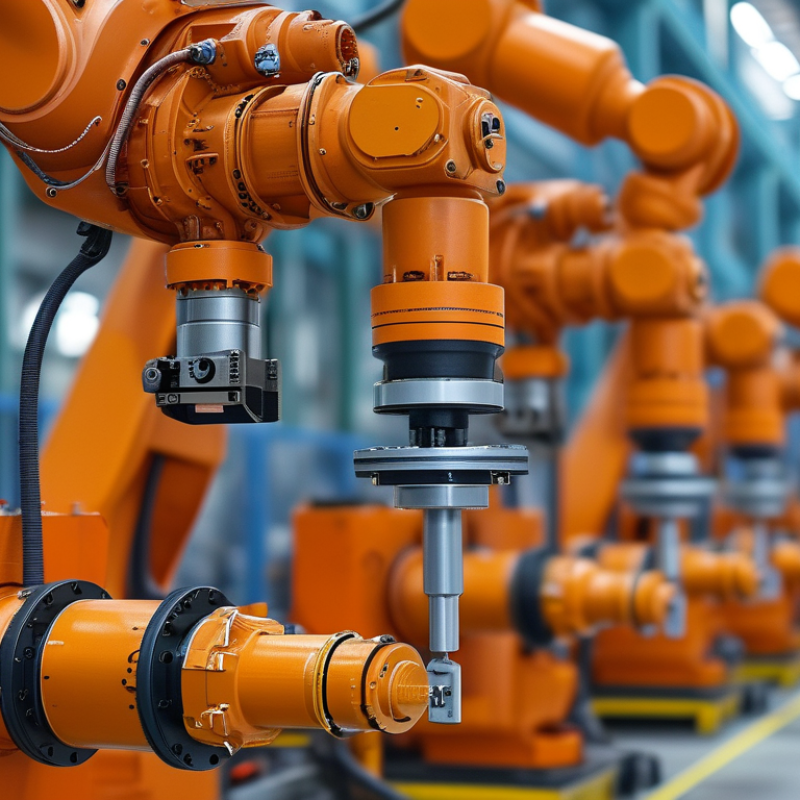
What is an Industrial Actuator and How Does It Work?

What is an Industrial Actuator? Definition and Overview

An industrial actuator is a crucial component in many automated systems. It converts energy into mechanical motion. This motion is vital for various applications, such as opening valves, controlling dampers, or moving machinery parts. Actuators can use electric, hydraulic, or pneumatic energy sources. Each type serves different purposes based on the required speed, force, and precision.

Understanding how actuators work helps in selecting the right type for specific tasks. Electric actuators are often easy to control and integrate with electronic systems. Hydraulic actuators, on the other hand, are powerful and suit heavy-duty applications. Pneumatic actuators offer quick motion but may not handle heavy loads efficiently. While it is important to understand these differences, sometimes the choice is not straightforward. Environmental factors and system complexity can complicate decisions.

Users might encounter challenges when implementing actuators. Proper installation and maintenance are critical for performance. Misalignment or inadequate power supply can lead to failure. Thus, ongoing assessment of performance is necessary. An actuator that works well in one setting may not perform the same in another. Continuous learning is essential when dealing with industrial actuators.

Types of Industrial Actuators: Electric, Pneumatic, and Hydraulic

Industrial actuators play a vital role in various automation processes. They convert energy into motion. There are three main types of actuators: electric, pneumatic, and hydraulic. Each type offers unique benefits and applications.

Electric actuators are known for their precision. They provide accurate control over position and speed. These systems are often used in applications where responsiveness is critical. However, they may not be optimal in extremely harsh environments. While they are efficient, the dependency on electrical systems can also pose challenges, especially in unstable power scenarios.

Pneumatic actuators use compressed air for operation. They are robust and suitable for quick movements. They excel in environments where electric actuators might fail. However, their reliance on compressed air systems can lead to inefficiencies. Hydraulic actuators, on the other hand, manage heavy loads with ease. They provide immense power but can be prone to leaks. This aspect requires careful monitoring and maintenance. Each actuator type has its advantages and downsides, which must be weighed based on specific applications and environmental conditions.

Key Components of Industrial Actuators and Their Functions

Industrial actuators are crucial components in automated systems, translating energy into mechanical motion. Understanding their key components helps in grasping their functionality.

One primary component of an actuator is the motor. It converts electrical energy into kinetic energy, driving the actuator's motion. The type of motor affects performance parameters like speed and torque. Sensors are another vital component, providing real-time feedback. They ensure precise positioning or process control, enhancing reliability. Without accurate sensors, systems may fail to operate properly under various conditions.

Actuators typically include gears and linkages that transmit motion to the machinery. These components amplify the actuator's force, making it suitable for heavy loads. The design of these parts can sometimes lead to inefficiencies. Users may overlook maintenance needs, leading to malfunctions over time. Proper evaluation of the actuator's components is essential for optimal performance and longevity.

Industrial Actuators Performance Comparison

This bar chart compares the force output of different types of industrial actuators: Pneumatic, Hydraulic, and Electric. Pneumatic actuators provide a force output of 15 kN, Hydraulic actuators offer 30 kN, and Electric actuators have a force output of 20 kN.

The Role of Industrial Actuators in Automation and Control Systems

Industrial actuators play a crucial role in automation and control systems. These devices convert energy into mechanical motion. They are essential in various industries, from manufacturing to robotics. Actuators help automate processes by providing precise control over machinery. They improve efficiency and reduce the risk of human error.

In automation, actuators often work alongside sensors and controllers. This combination creates a feedback loop that enhances system performance. For instance, a temperature sensor may signal an actuator to open a valve. This action controls the flow of fluids or gases, ensuring optimal conditions. However, the effectiveness of actuators can be influenced by factors such as wear and environmental conditions.

When implementing industrial actuators, it is vital to consider their limitations. They may require maintenance to function correctly. Over time, components can degrade, causing inaccuracies. Reflecting on these aspects can lead to better decision-making in automation strategies. It is important to prioritize regular evaluations to maintain system reliability and performance.

Performance Metrics: Efficiency, Speed, and Torque Ratings in Actuators

Industrial actuators play a crucial role in various automation systems. Understanding their performance metrics is essential for effective application. Efficiency is a primary metric. It measures how well an actuator converts energy into motion. Higher efficiency means lower energy consumption, which can save costs over time. However, it's important to consider the efficiency in different conditions.

Speed is another key factor. It determines how quickly an actuator can respond to control signals. Fast actuators improve system responsiveness but may not always be necessary. Overemphasis on speed can lead to wear and tear. Thus, balancing speed with longevity is vital.

Torque ratings indicate the force an actuator can exert. This metric affects the actuator's performance in real-world applications. Actuators with high torque can handle heavier loads. Yet, there's a limit; excessive torque can damage components. Finding the right torque rating is fundamental for optimal performance. When selecting an actuator, consider each of these metrics carefully. There are decisions to make, and reflecting on these aspects can lead to a more efficient design.

FAQS

: What is an industrial actuator?

: An industrial actuator converts energy into mechanical motion. It is essential for automating various processes.

What types of energy sources do actuators use?

Actuators can use electric, hydraulic, or pneumatic energy. Each serves different purposes based on requirements.

How do electric actuators compare to hydraulic ones?

Electric actuators are easy to control. Hydraulic actuators are powerful and suit heavy-duty tasks.

What challenges might arise when using actuators?

Users can face misalignment or power supply issues. Regular checks on performance are necessary for effectiveness.

Why is efficiency important in actuators?

Higher efficiency means less energy consumption. This can reduce operational costs over time.

How does speed affect actuator performance?

Speed indicates how fast an actuator responds. However, focusing solely on speed may lead to quicker wear.

What does torque rating indicate?

Torque rating shows the force an actuator can apply. High torque can handle heavier loads but risks damaging components.

How can environmental factors influence actuator selection?

Conditions can complicate actuator choices. What works well in one scenario may not work in another.

Why is continuous learning essential in actuator applications?

Each actuator's performance may differ across settings. Ongoing learning helps in making informed decisions.

What should be reflected upon when choosing an actuator?

Consider efficiency, speed, and torque ratings carefully. Reflecting on this can improve design and performance.

Conclusion

An Industrial Actuator is a crucial component in various automation and control systems, responsible for converting energy into motion to facilitate mechanical processes. These devices are categorized into three main types: electric, pneumatic, and hydraulic actuators, each serving unique applications based on their energy source and method of actuation. The key components of an industrial actuator, such as motors, gears, and sensors, work together to ensure effective operation and responsiveness.

In the realm of automation, industrial actuators play a significant role in enhancing efficiency and precision. Performance metrics such as efficiency, speed, and torque ratings are essential for evaluating the effectiveness of these actuators in industrial applications. By understanding these attributes, engineers can select the most suitable actuator for specific tasks, ultimately improving overall system performance and reliability.

Oliver

Oliver

Oliver is a seasoned marketing professional with a wealth of expertise in driving brand awareness and engagement. With a deep understanding of our company's product offerings, he consistently delivers high-quality content that enriches our professional blog. His insights not only shed light on......