In the rapidly evolving world of technology, DC motors are at the forefront of innovation. Industry expert Dr. Emily Carter, a leading engineer in motor technologies, states, "The future of DC motors lies in their adaptability and efficiency." As we look toward 2026, several trends will define the DC motor landscape.
One noticeable trend is the increasing demand for energy-efficient motors. With sustainability becoming critical, manufacturers are optimizing DC motors to reduce energy consumption. Advanced materials are now utilized, improving performance while decreasing waste. This shift towards eco-friendliness is essential in meeting global energy goals.
Additionally, the integration of smart technologies is transforming traditional DC motors into intelligent systems. Innovative control techniques enhance their functionality and precision. However, with these advancements come challenges. Some manufacturers struggle to keep pace with rapid changes, raising questions about long-term reliability and investment strategies. Observing these trends will be pivotal for stakeholders in the DC motor industry.
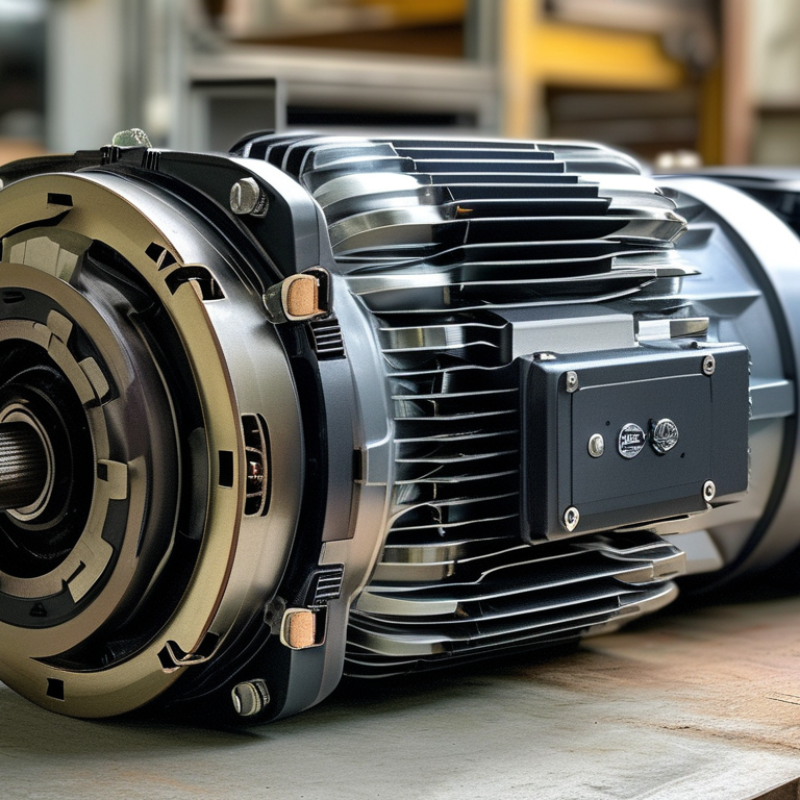
The landscape of DC motor technology is evolving rapidly as we approach 2026. Innovations in design and materials are driving efficiency gains. According to a recent industry report, the global DC motor market is expected to surpass $32 billion by 2026, displaying a compound annual growth rate (CAGR) of over 6%. This growth reflects the increasing demand for electric vehicles and automation in various sectors.
One notable trend is the development of brushless DC motors. These motors offer high efficiency and reliability. With fewer mechanical wear parts, they reduce maintenance costs significantly. Furthermore, advancements in control systems enhance performance in diverse applications, from robotics to HVAC systems. Research indicates that brushless motors can achieve efficiency ratings above 90%, making them a preferred choice for energy-sensitive applications.
However, the transition to newer technologies is not without challenges. Manufacturers face the need for skilled labor to design and optimize these systems. Additionally, supply chain disruptions can impact the availability of critical components. As the industry moves forward, addressing these issues will be crucial for maintaining steady growth. The future promises exciting developments, but careful navigation of these hurdles will determine success.
The Internet of Things (IoT) is transforming DC motor performance and efficiency. With connected devices, data collection becomes seamless. This enables real-time monitoring and predictive maintenance. As a result, motors can operate more efficiently, reducing energy costs.
One significant trend is the integration of smart sensors. These sensors provide insights into temperature, load, and speed. By analyzing this information, users can optimize motor performance. The feedback loop allows for adjustments that enhance efficiency.
The shift toward sustainability is reshaping DC motor design.
Environmental concerns are pressing manufacturers to innovate.
Energy efficiency is now a key focus.
Lightweight design and using eco-friendly materials are becoming essential trends.
These changes allow for lower energy consumption and reduced waste.
Manufacturers embrace renewable energy sources.
Solar and wind power systems are integrating more DC motors.
This trend aligns with the global push for clean energy.
However, engineering challenges remain.
Balancing performance with sustainable materials can be tough.
Developing motors that meet both efficiency standards and green criteria is crucial.
Moreover, there is a growing demand for smarter motor solutions.
IoT integration allows for real-time monitoring.
This can optimize performance and minimize energy use.
Yet, not all organizations are equipped to implement these systems.
Some face higher initial costs.
This digital transformation is a double-edged sword in the industry.
Enhanced efficiency must also consider accessibility for smaller businesses.
The electric vehicle (EV) market is rapidly evolving. DC motors are becoming increasingly vital in this industry. Their compact size and efficiency make them ideal for various applications in electric vehicles. By 2026, they will power more than just electric drive trains.
One emerging application involves regenerative braking systems. DC motors can convert kinetic energy back into electrical energy. This process enhances the overall efficiency of EVs, providing longer ranges and reducing energy waste. Another notable trend is the integration of DC motors in auxiliary systems. These include power steering, cooling fans, and HVAC systems. Such innovations contribute to a smoother user experience.
However, challenges remain. The supply chain for raw materials is often unstable, affecting production. Additionally, the rapid pace of innovation may lead to integration issues with existing systems. Manufacturers must find a balance between advancing technology and ensuring reliability. The insights into DC motors in electric vehicles reflect a fascinating journey toward a more efficient future.
| Trend | Description | Estimated Impact (%) | Key Applications |
|---|---|---|---|
| Integration with Smart Grid | DC motors are increasingly used in electric vehicles to optimize charging and energy consumption with smart grid technologies. | 25% | EV Charging Stations, Renewable Energy Systems |
| Increased Efficiency | Advancements in materials and design lead to higher efficiency DC motors that enhance overall vehicle performance. | 30% | Electric Buses, Delivery Vans |
| Cost Reduction | Innovations in manufacturing processes are driving down costs for DC motors, making EVs more accessible. | 35% | Affordable EV Models, Public Transportation Systems |
| Enhanced Customization | Technological advancements enable more tailored DC motor designs for specific EV applications. | 20% | Luxury EVs, Specialized Vehicles |
| Sustainability Initiatives | Use of sustainable materials in DC motor production to meet environmental regulations and consumer demands. | 40% | Product Recycling, Green Vehicles |
The landscape of DC motor technology is rapidly evolving, particularly in advanced control systems. Industry reports indicate that the global market for DC motors is set to grow at a CAGR of 5.4% through 2026. This growth aligns with enhanced automation in various sectors, including manufacturing and robotics.
Advanced control systems are crucial for improving the functionality of DC motors. Techniques like pulse width modulation (PWM) allow for precise speed regulation. Additionally, real-time feedback loops enhance torque control, significantly increasing operational efficiency. Recent studies show that integrating smart sensors can cut energy consumption by up to 30%. This not only reduces operational costs but also supports sustainability initiatives.
However, challenges persist. Many industries still rely on outdated systems that limit performance. Transitioning to advanced control systems often requires substantial investment and retraining. Moreover, not all applications demand the latest technology, leading to a reluctance to evolve. Balancing cost and innovation is essential for future growth in DC motor applications.
: IoT enables real-time monitoring and predictive maintenance, improving operational efficiency and reducing energy costs.
Smart sensors provide data on temperature, load, and speed, allowing users to optimize performance through adjustments.
Ensure calibration is correct and review performance data regularly to identify potential issues early.
These systems automatically adjust motor operation based on demand, leading to significant energy savings.
Data protection is crucial. Strong cybersecurity measures, such as encryption and regular updates, help maintain operational integrity.
DC motors are used in regenerative braking systems and auxiliary functions like power steering and HVAC systems, enhancing efficiency.
Supply chain instability and integration issues with existing systems can hinder production and technology advancement.
Techniques like pulse width modulation enhance speed regulation and torque control, boosting operational efficiency.
Transitioning can require substantial investment and retraining, which deters some industries from evolving.
Not every application demands advanced features; sometimes, cost and reliability influence the decision to stick with older systems.
As we look toward 2026, several key trends in DC motor technology are emerging. Innovations such as improved materials and designs are enhancing performance and efficiency, paving the way for more sophisticated applications. The integration of the Internet of Things (IoT) is also transforming DC motor capabilities, allowing for smarter control and monitoring that can lead to significant energy savings.
Sustainability is another driving factor, with manufacturers increasingly focusing on eco-friendly practices and materials in DC motor design. This trend aligns with the growing demand for sustainable solutions in various industries. Furthermore, the rise of electric vehicles is spotlighting new applications for DC motors, as advancements in control systems promise to enhance their functionality and reliability, ultimately supporting a more electric and connected future.

Micprec Motor