Why Choose Electrical Actuators for Your Automation Needs?

Time:2026-08-19 Author:Charlotte
0%

In today's rapidly evolving automation landscape, the choice of components can significantly affect efficiency and performance. One critical element is the Electrical Actuator. These devices, known for their precision and reliability, play a pivotal role in various industrial applications. They convert electrical energy into mechanical movement, allowing engineers to automate processes with unmatched accuracy.

Using Electrical Actuators can lead to enhanced productivity. Industries benefit from their ability to respond quickly to control systems. However, the technology is not without challenges. Selecting the wrong actuator can result in operational inefficiencies. It's essential to understand the specific requirements of your application before investing.

Experts emphasize that Electrical Actuators offer flexibility in design and function. Their compact size facilitates easy integration into existing systems. Despite their advantages, careful consideration is needed to ensure optimal performance and longevity. Ultimately, the decision to use Electrical Actuators should stem from both informed understanding and strategic planning.
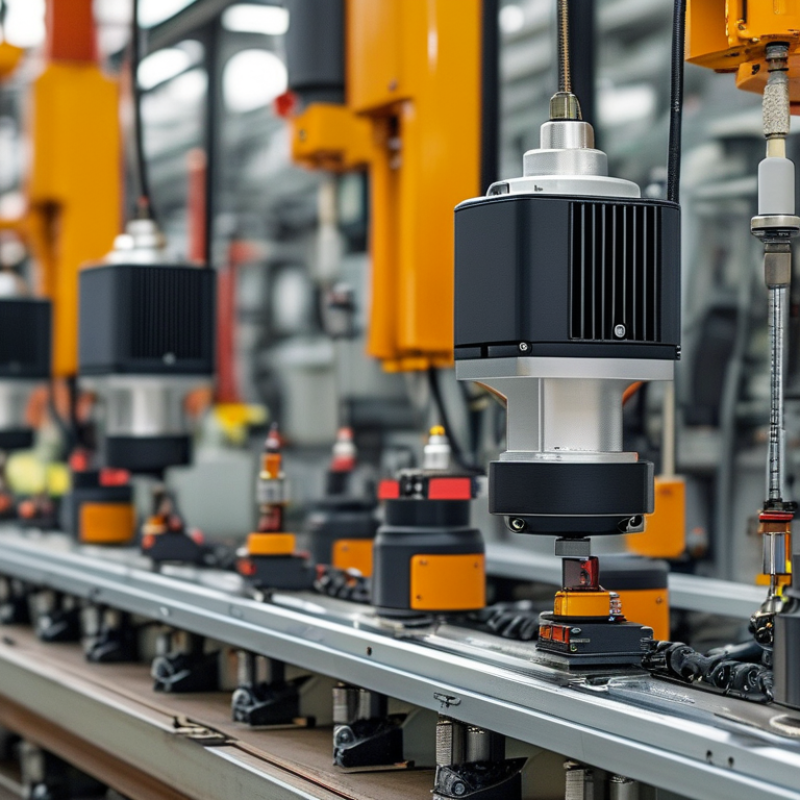
Why Choose Electrical Actuators for Your Automation Needs?

Advantages of Electrical Actuators in Automation Solutions

Electrical actuators have gained popularity in automation solutions due to their distinct advantages. A report by the International Society of Automation indicates that these devices can enhance efficiency by up to 30% when compared to traditional pneumatic systems. They consume less energy, leading to reduced operating costs and lowered carbon emissions, making them a sustainable choice for modern facilities.

One notable advantage of electrical actuators is their precision. Studies reveal that they can achieve positioning accuracy within 0.1 mm. This level of accuracy is critical in industries such as manufacturing and pharmaceuticals, where precision is paramount. Additionally, they offer ease of integration with digital control systems, enabling real-time adjustments and improved responsiveness.

Despite their many benefits, electrical actuators are not without challenges. Their initial costs can be higher than hydraulic or pneumatic systems. Some users report concerns regarding their performance in extreme environmental conditions. Proper evaluation of these factors is essential to ensure optimal functionality and reliability. Overall, understanding these aspects helps organizations make informed decisions when considering automation solutions.

Types of Electrical Actuators and Their Applications

Electrical actuators are vital in modern automation processes, enabling precise control over mechanical systems. There are several types, including electric linear actuators, rotary actuators, and piezoelectric actuators. Each type serves different applications across industries, from manufacturing to automotive.

Linear actuators, for example, convert rotational motion into linear movement. They are extensively used in conveyor systems and robotic arms. According to a recent industry report, the market for linear actuators is poised to grow at a CAGR of 7% through 2027. This growth reflects their increasing adoption due to enhanced efficiency and precision.

On another note, rotary actuators are essential for applications requiring rotational motion. They are widely utilized in material handling and valve control. Piezoelectric actuators, while less common, offer ultra-precise movements suitable for scientific instruments. Their unique functioning relies on piezoelectric materials, which can be costly and sometimes require careful handling.

Automation engineers often face challenges in choosing the right actuator type. Factors like load capacity, speed, and precision come into play. It’s crucial to understand that while electrical actuators offer reliability, they may also necessitate regular maintenance for optimal performance. Often overlooked is the importance of integrating these actuators with control systems, which can significantly impact their effectiveness.

Comparison of Electrical Actuators with Other Actuator Types

When evaluating electrical actuators against other actuator types, their efficiency becomes clear. According to a recent Frost & Sullivan report, electrical actuators can improve system energy efficiency by up to 30%. This efficiency translates into lower operational costs and reduced environmental impact. In contrast, hydraulic and pneumatic actuators often consume more energy, leading to higher bills for businesses.

Electrical actuators also boast precision control and quick response times. The International Society of Automation states that these actuators can achieve positioning accuracy better than ±0.1 mm. This level of precision is crucial for applications requiring tight control, such as robotics and automated assembly lines. Comparatively, pneumatic systems may struggle with precision due to air compressibility.

**Tip:** When selecting an actuator, consider the application’s precision needs and energy consumption.

However, some may find electrical systems less robust in extreme conditions, such as high temperatures or humidity. This limitation could lead to increased maintenance needs and reduced reliability. It’s important to assess the specific environment where the actuator will operate.

**Tip:** Always conduct a thorough environmental assessment to match actuator types with operational settings.

Why Choose Electrical Actuators for Your Automation Needs? - Comparison of Electrical Actuators with Other Actuator Types

Criteria Electrical Actuators Hydraulic Actuators Pneumatic Actuators
Control Precision High Moderate Low
Energy Efficiency Moderate to High Low Moderate
Maintenance Requirements Low High Moderate
Installation Complexity Simple Complex Moderate
Cost Moderate High Low to Moderate
Typical Application Areas Robotics, Packaging Heavy Machinery Assembly Lines

Key Factors to Consider When Selecting Electrical Actuators

When selecting electrical actuators for automation, understanding the specific application is crucial. Consider the required torque and speed. For instance, a project that requires rapid movement will have different actuator needs than one that prioritizes precision. The environment also plays a significant role. Devices subjected to extreme temperatures or moisture demand specialized features.

Another critical factor is the control system compatibility. Electrical actuators must integrate seamlessly with existing systems. A mismatch can lead to inefficiencies or even failures. Look into feedback mechanisms, as these can greatly enhance performance. A lack of feedback could leave you in a constant guessing game about the actuator’s position.

Reliability and maintenance are also worth considering. Some actuators need frequent upkeep, while others function well with minimal intervention. Long-term durability can impact overall costs. Higher upfront investments may save you money in the long run. Reflecting on these aspects can lead to a more informed choice, ensuring your automation goals are met efficiently.

Maintenance and Efficiency of Electrical Actuators in Automation Systems

Electrical actuators have gained popularity in automation systems due to their efficient performance and low maintenance needs. These devices convert electrical energy into mechanical movement. They offer precise control which is critical in many applications. This precision leads to improved operational efficiency in various industries, from manufacturing to aerospace.

Tips: Regularly check connections and alignment. Even small misalignments can lead to performance issues. Keep components clean to avoid dust build-up. This simple practice can extend the life of your actuators.

While electrical actuators are generally reliable, they can face challenges. Over time, wear and tear may impact their performance. Monitoring systems can help detect issues early, reducing the need for extensive repairs. Implementing a preventive maintenance schedule ensures that actuators remain in optimal condition, minimizing costly downtimes.

Tips: Invest in training for staff on actuator handling. Well-informed operators can spot potential issues quickly. An engaged team is an asset in maintaining efficiency.

Efficiency Comparison of Electrical Actuators vs. Pneumatic Actuators

FAQS

: What are electrical actuators?

: Electrical actuators convert electrical energy into mechanical movement. They are crucial in automation processes.

What types of electrical actuators exist?

Common types include linear actuators, rotary actuators, and piezoelectric actuators. Each serves different industrial needs.

Where are linear actuators used?

Linear actuators are frequently found in conveyor systems and robotic arms. They enable efficient linear movement.

What challenges might engineers face with actuators?

Engineers must consider load capacity, speed, and precision when choosing the right actuator type.

How can one maintain electrical actuators?

Regularly check connections and alignments. Keep components clean to prevent dust accumulation.

Why is preventive maintenance important?

It minimizes costly downtimes and ensures actuators operate efficiently over time.

What is the significance of piezoelectric actuators?

They provide ultra-precise movements but require careful handling and can be costly.

Why is training for staff important?

Well-trained operators can identify issues early, improving the overall efficiency of the system.

How often should maintenance be performed?

Establishing a preventive maintenance schedule is vital for keeping actuators in optimal condition.

What can impact actuator performance over time?

Wear and tear can deteriorate performance. Monitoring can help catch issues before they escalate.

Conclusion

Electrical actuators have become a vital component in automation solutions due to their numerous advantages, including higher precision, energy efficiency, and reduced maintenance requirements compared to traditional actuators. They are available in various types—such as linear and rotary actuators—each serving specific applications across different industries, from manufacturing to robotics.

When choosing an electrical actuator, it’s essential to consider factors such as load capacity, speed, and environmental conditions to ensure optimal performance. Furthermore, their relatively low maintenance needs and efficient operation contribute significantly to the overall efficiency of automation systems. Understanding these aspects ensures that the selected electrical actuator meets the specific requirements and enhances the effectiveness of automated processes.

Charlotte

Charlotte

Charlotte is a seasoned marketing professional with a deep understanding of the company's portfolio and a passion for elevating its presence in the market. With a keen eye for detail and a commitment to excellence, she ensures that our professional blog is regularly updated with insightful articles......