Choosing the best Variable Speed Motor in 2026 is less about finding one universal winner and more about matching a motor to its real workload. A conveyor, pump, and workshop fan place different demands on speed control, starting torque, and operating hours. The right choice should suit the machine, not just look impressive on a specification sheet.
Details matter. A motor’s rated power, speed range, enclosure, and compatibility with its drive can affect performance and service life. Efficiency ratings help, but actual energy use also depends on load and operating conditions. Check manufacturer datasheets, installation requirements, and warranty terms before comparing models. Small mismatches can cause big headaches.
There is no clean winner.
This guide examines the factors that make a motor a practical choice in 2026, including control precision, reliability, maintenance, and total ownership cost. It also considers where a standard induction motor may be sufficient and where a more specialized design could make sense. Exact needs vary, and product claims deserve a careful read. A promising feature may bring added cost or complexity without improving your application. That part is easy to overlook. By comparing measurable specifications with the demands of your equipment, you can narrow the field and choose with greater confidence.
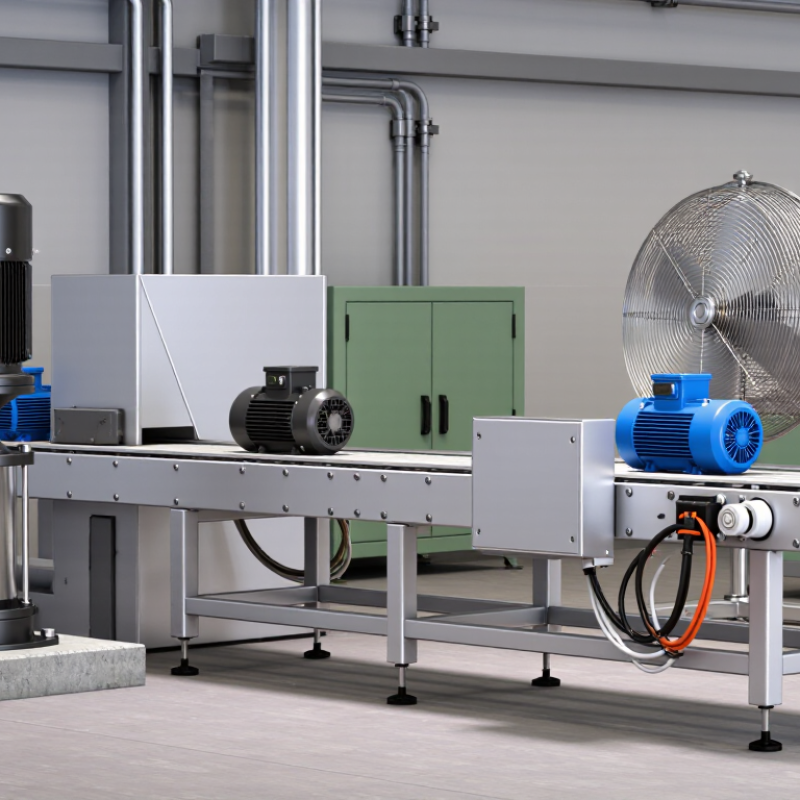
A variable-speed motor is a motor whose rotational speed can change to suit the work. In many systems, the motor’s speed is adjusted by an electronic drive rather than by the motor alone. For example, a pump may run slowly when water demand drops, then speed up as demand rises. Less wasted motion can mean lower energy use and smoother operation.
A variable-frequency drive changes the frequency and voltage supplied to an AC motor. Common control methods include volts-per-hertz control, which is straightforward for fans and pumps, and vector control, which offers better torque at low speeds. Some applications use feedback from an encoder; others rely on sensorless estimates. The right approach depends on load, accuracy, starting torque, and operating range. There is no single best choice for every machine in 2026. One detail is easy to overlook: wiring, cooling, and setup affect performance too.
Tips: Match the drive to the motor’s current and duty rating, not just its horsepower. Check whether the load needs precise speed control or only basic adjustment. Test at low speed and watch for excess heat, vibration, or sluggish response. Specifications can look convincing on paper; real operating conditions may expose a mismatch.
The best variable speed motor in 2026 depends on the load, operating hours, and control system. AC induction motors remain practical for pumps, fans, and conveyors. They are durable and widely understood by maintenance teams. A variable-frequency drive adjusts their speed by changing electrical frequency. At low speeds, however, cooling can become less effective, especially when a shaft-mounted fan slows down. It depends.
Permanent-magnet motors can deliver strong efficiency across a broad speed range. Their rotor magnets reduce electrical losses, which may matter in equipment that runs for long hours. They often need a compatible drive and careful thermal design. Magnets do not remove every loss; current, bearings, and heat still affect performance. I would compare energy use across the actual duty cycle, not just the efficiency figure on a specification sheet.
Brushless DC motors also use permanent magnets, but electronic commutation is central to their operation. They suit compact machinery, small pumps, and applications needing responsive speed control. Their controller and motor must work well together, and repair options can be less straightforward in some installations. A common comparison mistake is treating BLDC and permanent-magnet designs as wholly separate categories. They overlap. The right choice comes down to installation, speed range, service access, and the real load—not a single headline rating.
The best variable speed motor in 2026 is the one that fits the load, not the one with the widest speed range. Start with required torque at the slowest operating speed. A conveyor carrying full bins may need strong starting torque; a fan usually needs less. Check the motor’s torque curve and the drive’s current limit together. A speed controller cannot compensate for an undersized motor.
Speed range matters, but so does cooling. Many motors rely on a shaft-mounted fan, which moves less air at low speed. For sustained, slow operation, verify the manufacturer’s torque limits or consider a separate cooling method. Duty cycle is equally practical: frequent starts, long runs, and short overloads create different thermal demands. The IEA’s 2011 report, Energy-Efficiency Policy Opportunities for Electric Motor-Driven Systems, estimated these systems used about 46% of global electricity. That scale makes careful selection worthwhile, though efficiency alone will not fix poor sizing.
Tips: Record the load’s actual speed, starting torque, run time, and starts per hour before choosing. Compare those readings with the motor-drive combination’s rated operating envelope. Leave a measured margin for real load variation, not an arbitrary oversized allowance. One weak assumption is treating a machine’s average load as its worst load; verify peak conditions before ordering.
Match torque, speed range, and duty cycle to the application.
These representative application load points are for comparison, not motor ratings. S1 indicates continuous duty; S3 40% indicates intermittent periodic duty with the motor on for 40% of each cycle. Choose a motor using the complete torque-speed curve, thermal limits, starting requirements, and actual load profile.
The best variable speed motor is the one matched to its load, operating hours, and control strategy. The U.S. Department of Energy’s motor-systems assessment attributes about 54% of U.S. manufacturing electricity use to motor-driven systems. That figure makes motor selection a system-level decision, not a shopping-list exercise. A motor running a pump or fan at reduced speed can use less energy than one throttled mechanically, but savings depend on the equipment and duty cycle. The 54% figure is a useful signal, not a prediction for every plant.
DOE’s Improving Motor and Drive System Performance sourcebook recommends assessing the whole system: motor, drive, controls, and driven equipment. In practice, record load and speed across a normal shift before choosing a drive. A line that runs at full speed most of the day may gain little from speed control. A lightly loaded fan that changes demand often may benefit more. Small details matter. Oversizing, poor settings, or frequent starts can erode expected gains.
Tips: Compare measured energy use before and after installation, under similar production conditions. Check motor efficiency, drive compatibility, and maintenance requirements against recognized DOE guidance. Keep the baseline. It may be imperfect, but it is better than assuming every variable speed upgrade pays off.
For 2026, the best variable speed motor is not simply the one with the highest efficiency label. The IEA’s report, Energy-Efficiency Policy Opportunities for Electric Motor-Driven Systems, estimates that these systems use about 45% of global electricity. Small efficiency gains can matter, but only when the motor and drive suit the actual load. Check the IE efficiency class under IEC 60034-30-1, then confirm the motor’s rated speed range, torque needs, and cooling method. A pump running steadily differs from a conveyor starting with a heavy load.
Drive compatibility deserves equal attention. Confirm that the motor’s insulation and bearings can handle the inverter’s voltage pulses and operating speeds. Ask for efficiency data across the intended speed range, not only at full load. Then compare total cost: purchase price, electricity use, installation, maintenance, and likely operating hours. A lower-priced IE3 motor may cost less overall in a lightly used application. That is not always obvious from the label.
Tips: Request a written life-cycle cost estimate using your site’s electricity rate and duty cycle. Check whether the drive needs filters or extra cooling. Measure the existing load if possible; estimates can be wrong. A brief site survey may reveal that the motor is oversized, or that it rarely runs at full speed. Then revisit the comparison.
Match the motor to the actual load, operating hours, and control strategy. Check required torque at the slowest speed. A wide speed range alone is not enough.
Induction motors are durable and familiar to maintenance teams. Permanent-magnet motors can be efficient across a broad speed range, but need compatible drives and careful thermal design.
No. Brushless DC motors also use permanent magnets, with electronic commutation. The categories overlap. That distinction can be easy to miss.
It can, but cooling may become less effective when its shaft-mounted fan slows down. Check the motor’s torque limits for sustained low-speed operation.
Record operating speed, starting torque, run time, and starts per hour. A conveyor carrying full bins may need strong starting torque. Verify peak loads, too.
No. A pump or fan may use less energy at reduced speed, but savings depend on its load and duty cycle. Measure before and after.
The motor, drive, controls, and driven equipment work together. Poor settings or oversizing can reduce expected gains. Keep the baseline. It may be imperfect.
One assessment estimated motor-driven systems use about 54% of U.S. manufacturing electricity; another estimated about 46% globally. These figures show scale, not your facility’s likely savings.
Choosing the best Variable Speed Motor in 2026 starts with understanding how a motor and its drive work together. A variable-speed drive adjusts motor speed to match changing demands, while the control method influences how smoothly and efficiently the system operates. AC induction motors, permanent-magnet motors, and brushless DC designs each offer different advantages in efficiency, control, and operating range, so the right choice depends on the application rather than a single universal ranking.
Before selecting a system, compare its required torque, speed range, and duty cycle with the motor’s capabilities. The DOE’s figure that motor systems use about 54% of the electricity consumed in U.S. manufacturing highlights why system-level efficiency matters. Check the motor’s efficiency class, confirm compatibility with its drive and controls, and consider installation, operating, and maintenance costs. Evaluating these factors together can help identify a reliable, efficient solution that suits both performance needs and budget.

Micprec Motor