Brush motors remain useful where buyers need straightforward speed control, strong starting torque, and serviceable construction. They appear in pumps, power tools, small appliances, and equipment where simple operation matters. The International Energy Agency’s 2011 report, Energy-Efficiency Policy Opportunities for Electric Motor-Driven Systems, estimated that motor-driven systems use about 46% of global electricity. That figure covers many motor types, not Brush Motor applications alone. Still, it shows why efficiency, reliability, and lifecycle cost deserve close attention.
Choosing a manufacturer takes more than comparing catalog prices. Buyers should review rated voltage, torque curves, duty cycle, brush life, noise, thermal limits, and available customization. Ask for test conditions and supporting documentation; a headline efficiency figure means little without its measurement basis. Also check production capacity, quality controls, export experience, and access to replacement parts. These details matter when a motor must fit a compact housing or run through repeated start-stop cycles. Small differences can become expensive.
This guide introduces ten manufacturers for global buyers and outlines practical points for comparing them. It is not a universal ranking. A supplier that suits a high-volume appliance program may not fit a low-volume industrial project. Treat the list as a shortlist, then verify each candidate against your specifications, samples, and service requirements. That extra check is easy to overlook.
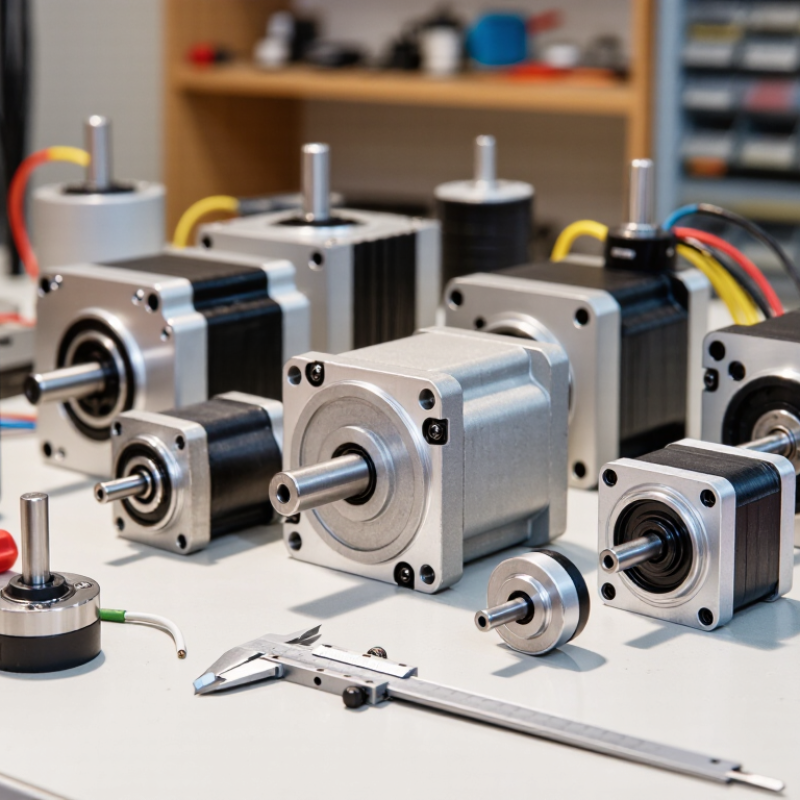
A brushed motor converts electrical energy into rotation through magnetic forces. In a common DC design, permanent magnets sit around a rotor carrying wire windings. Current reaches those windings through carbon brushes that press against a rotating commutator. The commutator switches the current direction as the rotor turns, helping maintain torque. That sounds simple. The physical parts still need close coordination. When voltage is applied, the shaft begins turning and can drive a fan, pump, or small conveyor.
Brush contact is mechanical, so friction gradually wears the brushes and commutator. Dust, heat, load, and operating speed can affect service life; actual results depend on the motor and its working conditions. During inspection, uneven brush wear or a rough commutator surface may signal a problem worth checking. In a compact pump, for example, frequent starts can create different demands from steady operation. Buyers should compare rated voltage, torque, speed, duty cycle, and maintenance access. A brushed motor can be straightforward to control and economical for many uses, but it may need periodic servicing. No design is perfect. I would avoid choosing by rated power alone; the real load and operating pattern matter too.
Choosing a brush motor manufacturer starts with the conditions the motor must handle. Define the required voltage, speed, torque, duty cycle, and operating temperature. A motor that performs well during a short bench test may overheat during repeated starts under load. Fit matters. Share a real operating profile, not just a target speed, and ask how the manufacturer verifies performance.
Examine the details behind quality claims. Ask about brush and commutator materials, winding controls, shaft tolerances, and production testing. Request test data for noise, current draw, temperature rise, and service life where available. A sample can reveal vibration or unusual brush noise, but one sample cannot prove consistent production. Ask how batches are inspected and how defects are traced.
Technical support matters after the first order. Check whether engineers can review drawings, explain mounting limits, and recommend suitable wiring or suppression components. Confirm lead times, minimum order quantities, spare-part availability, and how design changes are communicated. A low unit price can look attractive, yet replacement delays may cost more in a production line. No test covers every installation. A bench test is useful, but it cannot reproduce every dusty, vibrating environment, so pilot testing in the intended equipment is worth considering.
For global buyers, the ten leading brush motor manufacturers are best compared by application fit, not by a universal ranking. A motor powering a small pump faces different demands from one used in a handheld tool. Check rated voltage, starting torque, duty cycle, and operating temperature against real working conditions. Ask for test data on brush wear, commutator performance, and noise; a quiet sample on a workbench may sound different inside a finished product. Small details matter.
Supplier quality also depends on repeatability. Request sample units from the intended production line, then compare current draw and temperature rise under the same load. Ask how brush materials, shaft tolerances, and end-of-line inspections are controlled. Confirm lead times, customization limits, documentation, and after-sales support before committing to volume. A low quoted price can hide extra tooling or inconsistent batches. No checklist is flawless. I would not treat a polished specification sheet as proof of long-term reliability; field trials and clear test records carry more weight. Even then, a short trial cannot reveal every failure mode, so buyers should review results and assumptions before scaling orders.
This chart shows the typical quantities of key components in a basic two-pole brushed DC motor. Actual designs vary by motor size and construction; the figures are component counts, not manufacturer rankings or market data.
Brush motor manufacturers differ in more than rated voltage and frame size. Their product ranges may include compact motors for appliances, higher-torque units for tools, or customized assemblies with gears and shafts. Check the operating range, not just the headline rating. A motor that starts smoothly at room temperature may behave differently after repeated starts or under heavy load. Small details matter.
Manufacturing capabilities also vary. Some suppliers offer winding adjustments, shaft machining, noise testing, and sample builds; others focus on standard models and shorter lead times. Ask how they control brush wear, commutator quality, and vibration across production batches. Request test conditions and tolerances, since figures without context can be misleading. A clear drawing helps. So does a defined sample-approval process. For global buyers, technical documentation, packaging options, and responsive engineering support can be as important as factory capacity. Still, a polished specification sheet cannot replace evaluation in the intended equipment. Compare samples under realistic load and duty cycles, and record temperature, noise, and current draw. One point is easy to miss: customization can improve fit, but it may also extend tooling and delivery schedules. A careful buyer should weigh both.
10 Best Brush Motor Manufacturers for Global Buyers
How to Evaluate and Verify International Suppliers
Supplier claims deserve evidence. The IEA’s 2011 report, Energy-Efficiency Policy Opportunities for Electric Motor-Driven Systems, estimates these systems use 43–46% of global electricity. That figure covers more than brush motors, but it highlights why efficiency and operating life matter. Ask suppliers for test results at your actual voltage, load, and duty cycle. Check current draw, temperature rise, speed stability, noise, and brush wear. Compare like with like.
Tips: Request a production-representative sample, not a hand-selected prototype. Verify test equipment calibration dates, material traceability, and written quality procedures. Ask how incoming materials and finished motors are inspected. Then compare sample results with a later production batch. Paper is not proof. A neat report can still miss real operating conditions.
For international suppliers, confirm capacity with process records, not promises alone. Review lead-time history, defect handling, packaging, and spare-parts support. Request a live factory video or independent inspection when an on-site visit is impractical. Keep specifications, approved samples, and change-control rules in writing. One caveat: a small sample cannot predict every batch. Recheck performance after shipment and log failures by date, load, and operating hours.
A practical supplier-evaluation matrix. Use it to compare candidates against your application; the criteria below are not a company ranking or a claim that any specific supplier has been verified.
| No. | Evaluation dimension | What to request or verify | Why it matters to global buyers | Suggested score |
|---|---|---|---|---|
| 1 | Application and design fit | Confirm motor type, rated voltage, speed, torque, duty cycle, mounting dimensions, shaft details, operating orientation, and the intended load. Request a dimensioned drawing and written specification. | Brush motors vary substantially by application. Matching the operating point and mechanical interface helps prevent performance and installation issues. | 0–5 |
| 2 | Performance data and test conditions | Request speed–torque or current–torque data, efficiency where available, no-load current, starting behavior, and the test conditions used. Check that values correspond to the proposed model and voltage. | Motor figures are meaningful only when the operating conditions and measurement method are clear and comparable. | 0–5 |
| 3 | Brush, commutator, and service life | Ask for brush material options, expected brush-life assumptions, maintenance guidance, and any endurance-test report. Check whether the stated life depends on load, speed, temperature, or operating pattern. | Brush and commutator wear are normal considerations for brushed motors; actual service life depends on operating conditions and design. | 0–5 |
| 4 | Quality management and production controls | Request the current quality-management-system certificate, verify its validity and scope with the issuing certification body, and ask how incoming materials, in-process checks, and final testing are recorded. | A management-system certificate is evidence about a system's scope, not proof that every motor model meets a particular performance or regulatory requirement. | 0–5 |
| 5 | Safety and regulatory documentation | Identify the destination-market requirements for the finished equipment. Request applicable declarations, test reports, and component documentation, and verify that model numbers and ratings match the offered product. | Requirements depend on the product, installation, and destination market. A supplier's general statement should not replace model-specific documentation review. | 0–5 |
| 6 | Sample and validation process | Agree on a representative sample, acceptance criteria, test method, and approval record before production. Compare the approved sample and drawings with production units. | A documented sample-validation stage reduces the risk of discovering fit or performance differences after an order is placed. | 0–5 |
| 7 | Traceability and change control | Ask how motors, batches, and key components are identified and how design or material changes are communicated. Include advance-notice and approval expectations in the purchase specification. | Traceable records and controlled changes make it easier to investigate quality issues and keep repeat orders consistent. | 0–5 |
| 8 | Capacity and delivery planning | Confirm available production capacity, normal and peak lead times, minimum order quantities, production scheduling, and the supplier's process for notifying buyers about delays. | Lead time and capacity should be assessed against the buyer's demand plan rather than inferred from a quotation alone. | 0–5 |
| 9 | Export packaging and logistics | Specify packaging protection, labeling, packing list details, shipping terms, and responsibility for export documents. Check that packaging is suitable for the transport route and handling conditions. | Clear logistics responsibilities help avoid damage, documentation gaps, and disagreements about delivery obligations. | 0–5 |
| 10 | After-sales support and corrective action | Confirm response channels, warranty terms, spare-parts availability, technical support coverage, and the process for investigating defects and implementing corrective actions. | Support arrangements are especially important when buyers and manufacturing sites are in different countries or time zones. | 0–5 |
Suggested use: Score each shortlisted supplier from 0 (no adequate evidence) to 5 (requirements are clearly met and supported by relevant evidence). Define pass/fail requirements for your application before comparing total scores. Verify certificates and documents with the issuing organizations or relevant authorities where applicable.
Current flows through carbon brushes into rotor windings. A rotating commutator changes current direction, helping maintain torque. The shaft turns.
Brush contact creates friction, gradually wearing the brushes and commutator. Dust, heat, load, and speed can affect service life. Check for uneven wear or rough surfaces.
Compare voltage, torque, speed, duty cycle, temperature, and maintenance access. Match these to the real load and start pattern. Rated power alone is not enough.
Repeated starts under load can create different demands than steady operation. Share the actual speed, load, and duty cycle. A bench test has limits.
Run it under realistic load and record temperature, noise, vibration, and current draw. Look for unusual brush noise. One sample cannot prove consistent production.
Ask about brush and commutator materials, winding controls, shaft tolerances, and batch inspections. Request test conditions and tolerances, not just headline figures. Context matters.
Check whether engineers can review drawings and explain mounting or wiring needs. Confirm lead times, minimum order quantities, spare parts, and design-change communication. Delays can matter.
It can. Shaft or winding changes may better suit the equipment, but tooling can extend delivery schedules. I would weigh that trade-off carefully.
This guide explains what a Brush Motor is, how its electrical and mechanical components work together, and why motor design matters when selecting equipment for a specific application. It outlines practical factors for choosing a manufacturer, including product range, customization options, production capacity, quality controls, technical support, and communication. These considerations can help buyers compare suppliers based on their needs rather than relying on a single feature or general claim.
The guide also surveys ten types of leading manufacturers for global buyers and describes how their products and capabilities may differ in areas such as motor size, performance, materials, and application focus. To evaluate international suppliers, buyers should verify technical specifications, request relevant documentation, assess sample quality, clarify delivery and service arrangements, and communicate expectations clearly. A careful, evidence-based comparison can support a more informed sourcing decision and help establish a dependable supplier relationship.

Micprec Motor